

Introduction
Modern surgery relies heavily on advanced medical technologies to ensure precision, safety, and efficiency. Among these innovations, the LED surgical light has become one of the most essential pieces of equipment in operating rooms worldwide. From routine procedures to highly complex surgeries, proper illumination plays a critical role in helping surgeons visualize anatomical structures accurately and perform procedures with confidence.
Traditional halogen surgical lights have gradually been replaced by LED technology due to improvements in energy efficiency, lifespan, color rendering, and shadow control. Today’s hospitals, ambulatory surgery centers, and specialty clinics increasingly depend on LED-based lighting systems to support a wide variety of surgical specialties.
This article explores the applications of LED surgical light systems across different types of surgeries, highlighting their advantages, technical requirements, and the reasons they have become the preferred lighting solution in modern healthcare facilities.
Why Surgical Lighting Matters in Modern Medicine
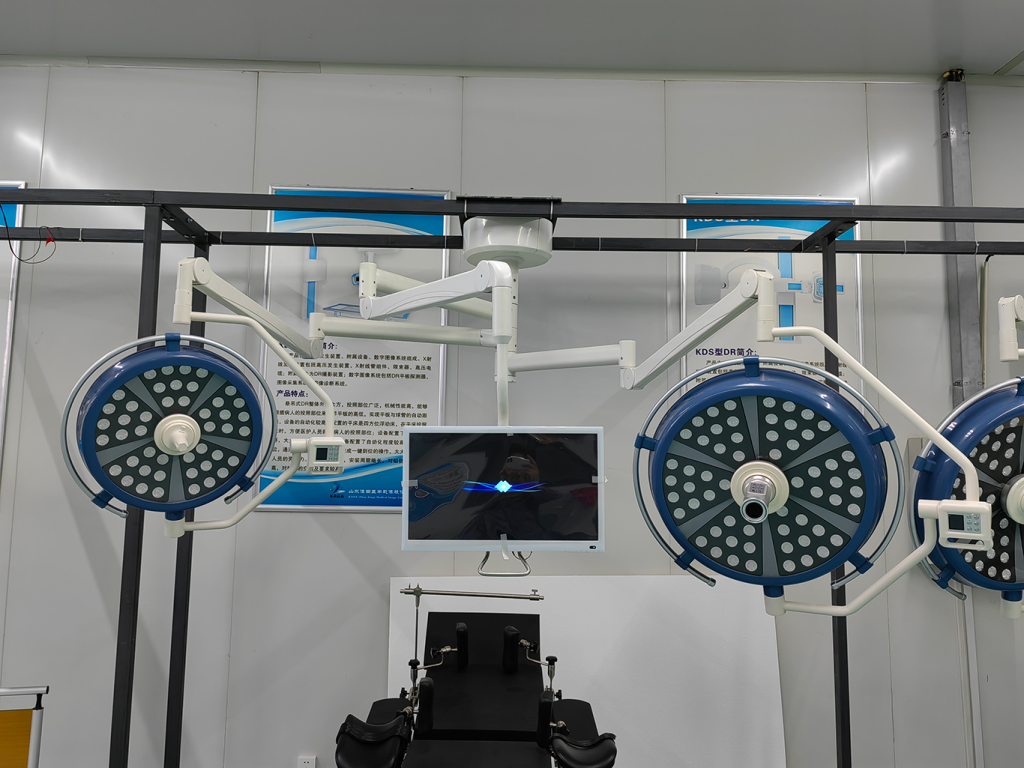
Surgical lighting is more than simply providing brightness. It directly affects visibility, precision, and the overall success of surgical procedures.
Surgeons require clear illumination to:
- Differentiate tissues accurately
- Identify blood vessels and nerves
- Minimize visual fatigue
- Improve surgical efficiency
- Reduce the risk of complications
A high-quality LED surgical light helps maintain consistent visibility throughout procedures regardless of operating room conditions.
Key Benefits of LED Surgical Lighting
| Feature | Benefit |
|---|---|
| High Illumination | Improved surgical visibility |
| Low Heat Emission | Enhanced comfort for surgeons and patients |
| Long Lifespan | Reduced maintenance costs |
| High CRI | Accurate tissue color recognition |
| Energy Efficiency | Lower operating expenses |
| Shadow Reduction | Better visibility during procedures |
These advantages make LED technology ideal for various surgical applications.
Understanding LED Surgical Light Technology
Before exploring specific surgical specialties, it is important to understand how an LED surgical light functions.
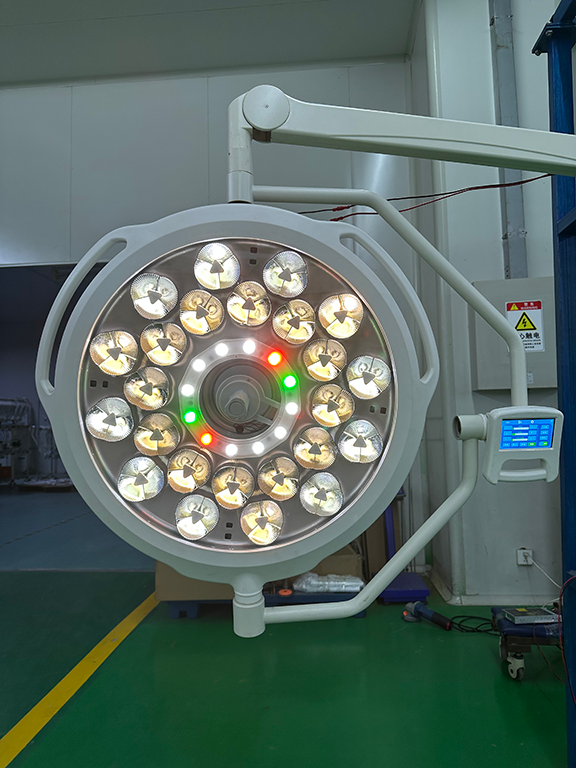
Unlike conventional halogen lamps, LED systems use multiple light-emitting diodes arranged strategically within the lamp head. These LEDs generate bright, focused illumination while producing minimal heat.
Core Components
| Component | Function |
| LED Modules | Generate illumination |
| Optical Lens System | Focus and distribute light |
| Suspension Arms | Allow positioning flexibility |
| Control System | Adjust brightness and color temperature |
| Heat Management System | Dissipate heat efficiently |
The combination of these components allows the LED surgical light to deliver stable and uniform illumination throughout surgical procedures.
Applications in General Surgery
General surgery encompasses a broad range of procedures, including abdominal, gastrointestinal, and soft tissue operations.
Lighting Requirements
General surgeons need:
- Uniform illumination
- Adjustable brightness
- Accurate color rendering
- Minimal shadow interference
How LED Surgical Light Supports General Surgery
The LED surgical light provides a wide illumination field that allows surgeons to visualize large surgical areas clearly. Adjustable focus and intensity controls enable customization according to procedural needs.
Recommended Specifications
| Parameter | Recommended Range |
| Illuminance | 100,000–140,000 Lux |
| Color Temperature | 4,000–5,000 K |
| CRI | ≥95 |
| Light Field Diameter | 180–280 mm |
These specifications help ensure optimal performance during general surgical procedures.
Applications in Orthopedic Surgery
Orthopedic procedures often involve deep operative fields, dense tissue structures, and extended procedure times.
Challenges in Orthopedic Surgery
- Deep cavities
- High blood presence
- Complex anatomical structures
- Long surgical durations
Role of LED Surgical Light
An advanced LED surgical light provides deep cavity illumination while maintaining brightness consistency. Multiple overlapping light beams help reduce shadows created by surgical instruments and personnel.
Orthopedic Lighting Requirements
| Feature | Importance |
| High Lux Output | Excellent deep-field visibility |
| Shadow Control | Critical |
| Adjustable Focus | Essential |
| Low Heat Production | Highly Beneficial |
Orthopedic surgeons benefit significantly from the enhanced visibility provided by LED technology.
Applications in Neurosurgery
Neurosurgery requires some of the highest lighting standards in modern medicine.
Why Neurosurgery Demands Advanced Lighting
The brain contains delicate structures that require exceptional precision during surgical intervention.
Surgeons need:
- Precise illumination
- High color accuracy
- Excellent depth perception
- Minimal glare
Benefits of LED Surgical Light in Neurosurgery
The LED surgical light offers superior optical performance, helping surgeons identify fine anatomical details while minimizing eye fatigue.
Recommended Neurosurgical Parameters
| Parameter | Recommended Value |
| Illuminance | 140,000–180,000 Lux |
| CRI | ≥97 |
| Color Temperature | 4,500–5,500 K |
| Shadow Management | Excellent |
Modern LED systems are particularly valuable during lengthy neurosurgical procedures.
Applications in Cardiovascular Surgery
Cardiac surgery involves highly complex procedures that demand exceptional visualization.
Key Lighting Challenges
- Deep surgical sites
- Fine vascular structures
- Long operation times
- Requirement for precise tissue differentiation
How LED Surgical Light Improves Outcomes
High-quality illumination helps cardiovascular surgeons distinguish between tissues, vessels, and surgical instruments with greater accuracy.
Essential Features
| Feature | Benefit |
| High CRI | Accurate tissue differentiation |
| Deep Illumination | Improved visibility |
| Adjustable Color Temperature | Enhanced contrast |
| Low Heat Output | Improved surgeon comfort |
The LED Surgical Light contributes significantly to procedural precision in cardiovascular surgery.
Applications in Plastic and Reconstructive Surgery
Plastic surgery often requires highly detailed work where color accuracy is critical.
Importance of Color Rendering
Surgeons must evaluate:
- Skin tones
- Tissue perfusion
- Wound healing conditions
- Cosmetic outcomes
Advantages of LED Surgical Light
A high-CRI LED surgical light enables surgeons to distinguish subtle color variations more effectively than traditional lighting systems.
Recommended Specifications
| Parameter | Recommended Range |
| CRI | ≥96 |
| Color Temperature | 4,000–4,800 K |
| Lux Output | 100,000–160,000 Lux |
These features support excellent visual conditions during reconstructive procedures.
Applications in ENT Surgery
Ear, Nose, and Throat (ENT) procedures often involve small anatomical structures that require concentrated illumination.
Lighting Needs
ENT specialists need:
- Focused light fields
- High brightness
- Precise positioning
LED Surgical Light Performance
Modern systems provide adjustable spot sizes and focused beams that improve visibility in confined surgical areas.
Benefits
| Benefit | Clinical Impact |
| Adjustable Spot Size | Improved visualization |
| Shadow Reduction | Better surgical accuracy |
| Enhanced Focus | Suitable for microsurgery |
These advantages make LED lighting ideal for ENT applications.
Applications in Gynecological and Obstetric Surgery
Gynecological surgeries require reliable illumination and flexibility.
Common Procedures
- Hysterectomy
- Ovarian surgery
- Cesarean section
- Pelvic reconstruction
Why LED Surgical Light Is Preferred
The LED surgical light offers excellent illumination consistency and flexibility for various gynecological procedures.
Key Requirements
| Feature | Importance |
| Uniform Light Distribution | High |
| Shadow Control | High |
| Easy Positioning | High |
| Energy Efficiency | Moderate |
Hospitals increasingly install LED systems in obstetric and gynecological operating rooms.
Applications in Minimally Invasive Surgery
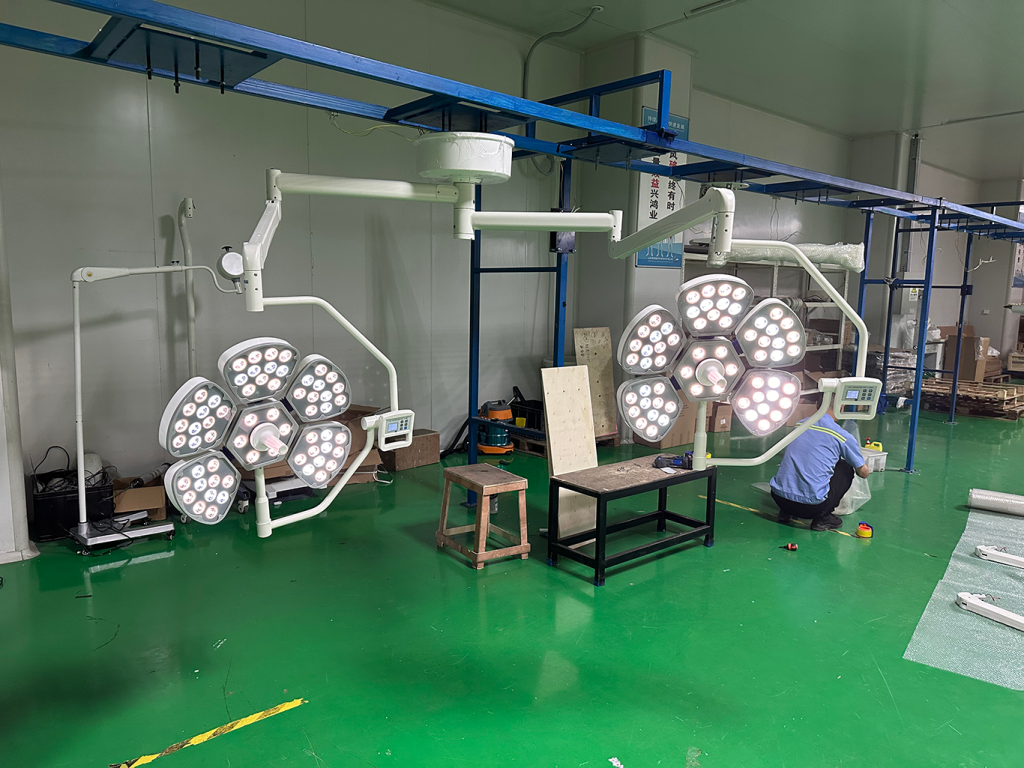
Minimally invasive procedures continue to grow globally.
Examples
- Laparoscopy
- Arthroscopy
- Endoscopic surgery
Although endoscopic cameras provide internal visualization, operating room lighting remains essential.
Supporting Functions of LED Surgical Light
- Instrument preparation visibility
- Team coordination
- Emergency conversion to open surgery
Advantages
| Feature | Benefit |
| Instant Brightness Adjustment | Improved workflow |
| Reduced Heat | Enhanced comfort |
| Consistent Illumination | Better visibility |
The flexibility of an LED surgical light makes it highly valuable during minimally invasive procedures.
Choosing the Right LED Surgical Light
Healthcare facilities should evaluate several factors before purchasing a surgical lighting system.
Key Considerations
| Factor | Importance |
| Illuminance Level | Very High |
| Color Rendering Index | Very High |
| Color Temperature Adjustment | High |
| Shadow Management | Very High |
| Lifespan | High |
| Maintenance Cost | High |
| Installation Requirements | Medium |
Selecting the appropriate LED surgical light ensures long-term performance and improved clinical outcomes.
Future Trends in LED Surgical Lighting
Technological advancements continue to improve surgical lighting systems.
Emerging Innovations
Artificial Intelligence
AI may automatically optimize lighting parameters based on procedural requirements.
Integrated Cameras
Many systems now include HD or 4K cameras for:
- Teaching
- Telemedicine
- Procedure recording
Touchless Controls
Gesture and voice controls help maintain sterile environments.
Smart Connectivity
Future LED surgical light systems will increasingly integrate with digital operating room platforms.
These innovations will further enhance surgical efficiency and patient care.
Conclusion
The LED surgical light has become an indispensable component of modern operating rooms, supporting a wide range of surgical specialties including general surgery, orthopedics, neurosurgery, cardiovascular surgery, plastic surgery, ENT procedures, gynecological operations, and minimally invasive interventions.
Its advantages—such as high illumination, excellent color rendering, low heat generation, energy efficiency, and long lifespan—make it superior to traditional lighting technologies. As healthcare facilities continue to modernize, investing in advanced LED surgical lighting systems remains a crucial step toward improving surgical precision, operational efficiency, and patient safety.
With ongoing developments in AI, imaging integration, and smart controls, the future of the LED surgical light promises even greater performance and functionality for healthcare providers worldwide.
FAQ
What is an LED Surgical Light?
An LED surgical light is a medical lighting system that uses LED technology to provide bright, shadow-reduced illumination during surgical procedures.
Why are LED surgical lights better than halogen lights?
LED systems offer longer lifespan, lower energy consumption, reduced heat output, and better color rendering.
Which surgeries use LED Surgical Light systems?
They are widely used in general surgery, orthopedics, neurosurgery, cardiovascular surgery, plastic surgery, ENT procedures, gynecology, and minimally invasive surgery.
What is the typical lifespan of an LED Surgical Light?
Most modern systems provide 50,000 to 100,000 hours of operational life.
What CRI is recommended for surgical lighting?
A CRI above 95 is generally recommended, while specialized procedures may require CRI values of 97 or higher.