

Introduction
In modern operating rooms, lighting is not just a basic requirement—it is a critical factor that directly impacts surgical precision, patient safety, and overall clinical outcomes. Among all lighting technologies used in healthcare environments, LED Surgical Lights have become the global standard due to their superior brightness, energy efficiency, long lifespan, and excellent color rendering.
Choosing the right LED Surgical Lights is not as simple as selecting the brightest model. Hospitals, clinics, and medical distributors must consider a wide range of factors such as illumination depth, shadow control, color temperature, heat management, installation type, and compliance with medical standards.
This comprehensive buying guide will help you understand everything you need to know about LED Surgical Lights, including technical specifications, key features, comparisons, and purchasing considerations. Whether you are equipping a new operating room or upgrading existing systems, this guide will help you make an informed decision.
Throughout this article, the focus will remain on LED Surgical Lights, their advantages, selection criteria, and practical applications in surgical environments.
What Are LED Surgical Lights?
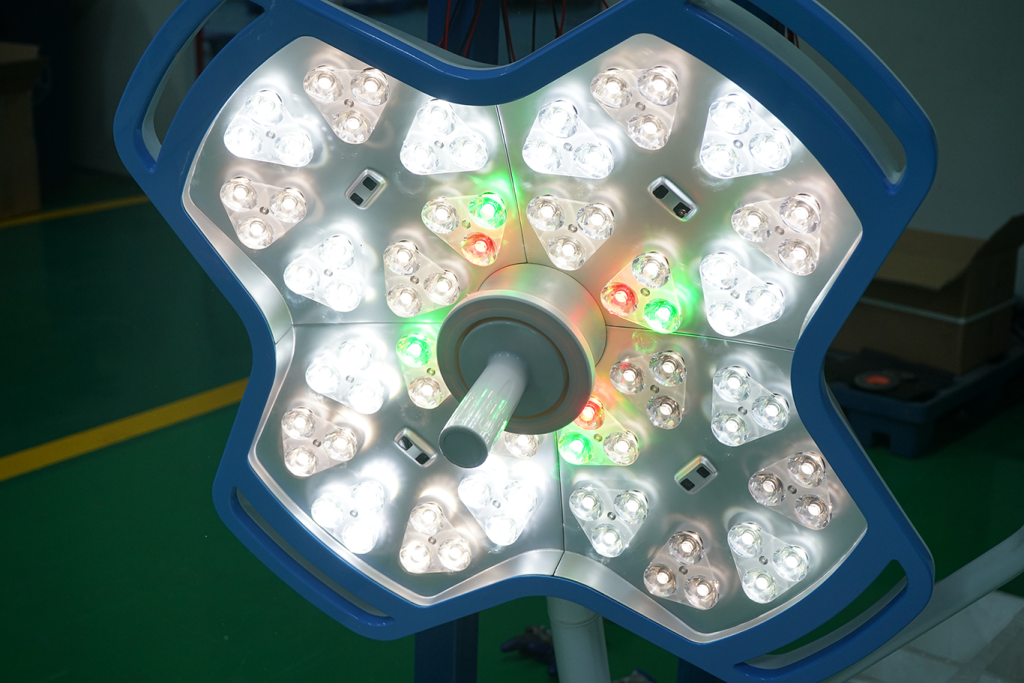
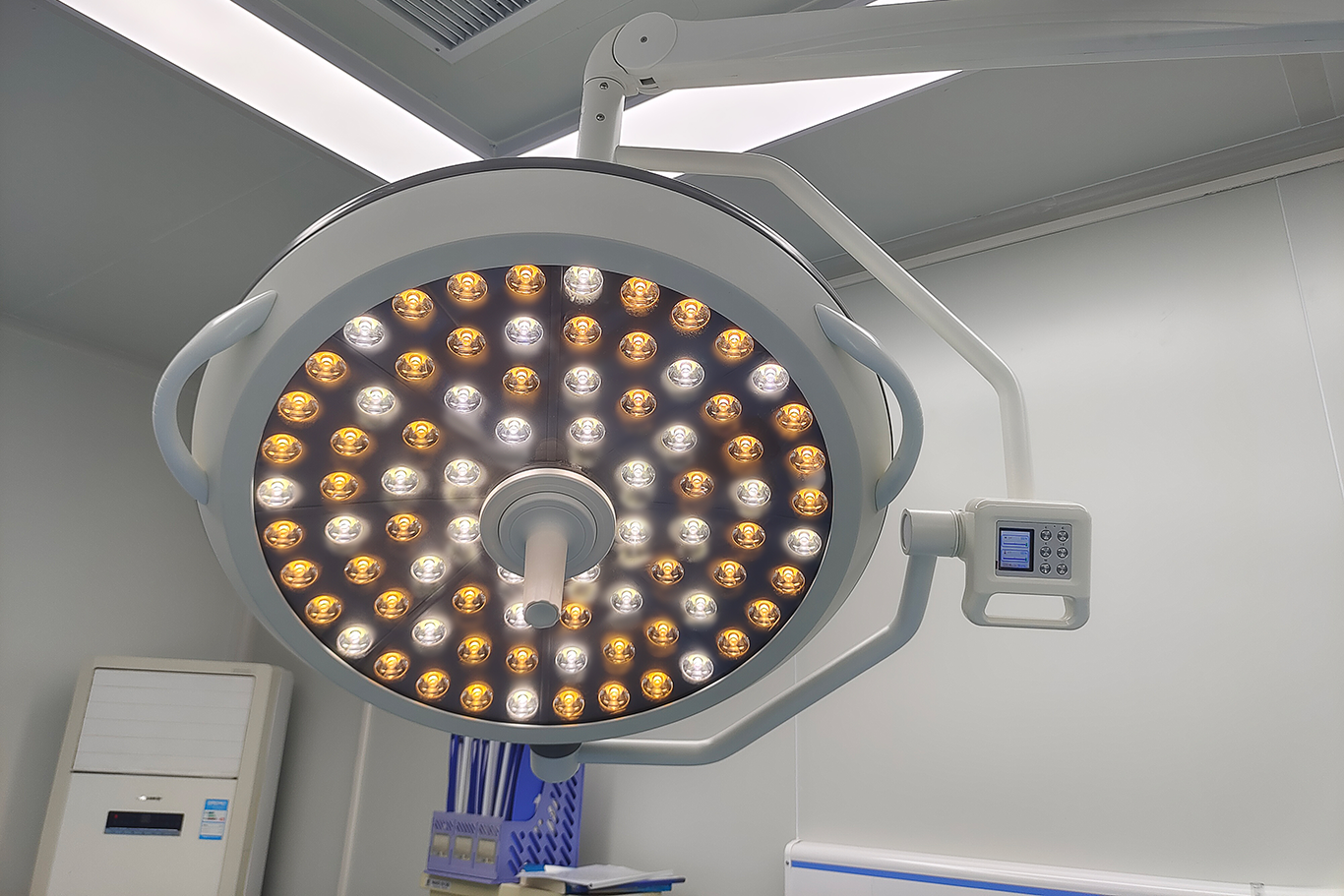
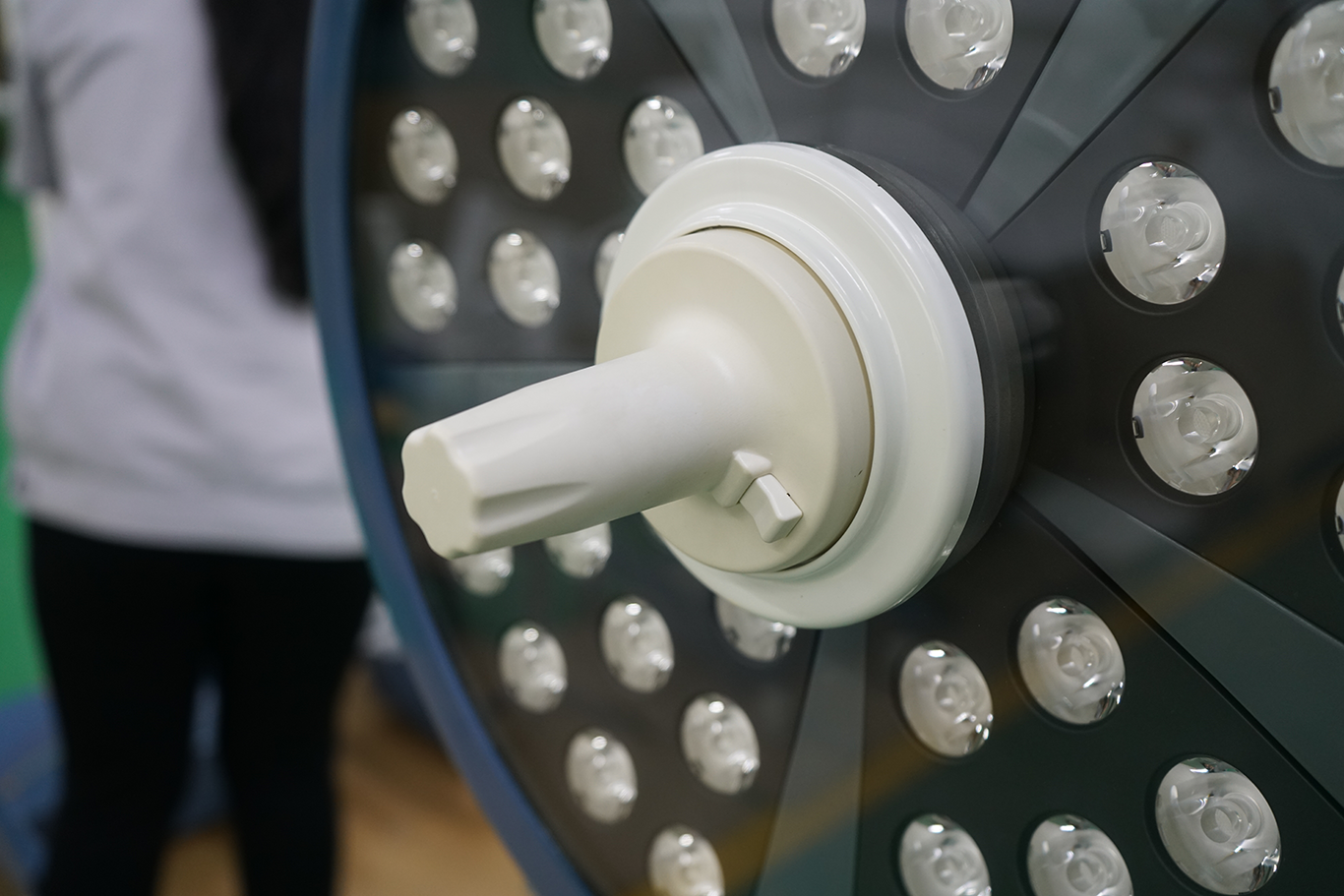
LED Surgical Lights are advanced medical lighting systems designed specifically for operating rooms and clinical procedures. They use light-emitting diode (LED) technology to provide high-intensity, shadow-free illumination that helps surgeons see fine anatomical details clearly.
Unlike traditional halogen or incandescent lights, LED Surgical Lights offer:
- Higher energy efficiency
- Lower heat emission
- Longer operational lifespan
- Improved color accuracy
- Adjustable brightness and focus
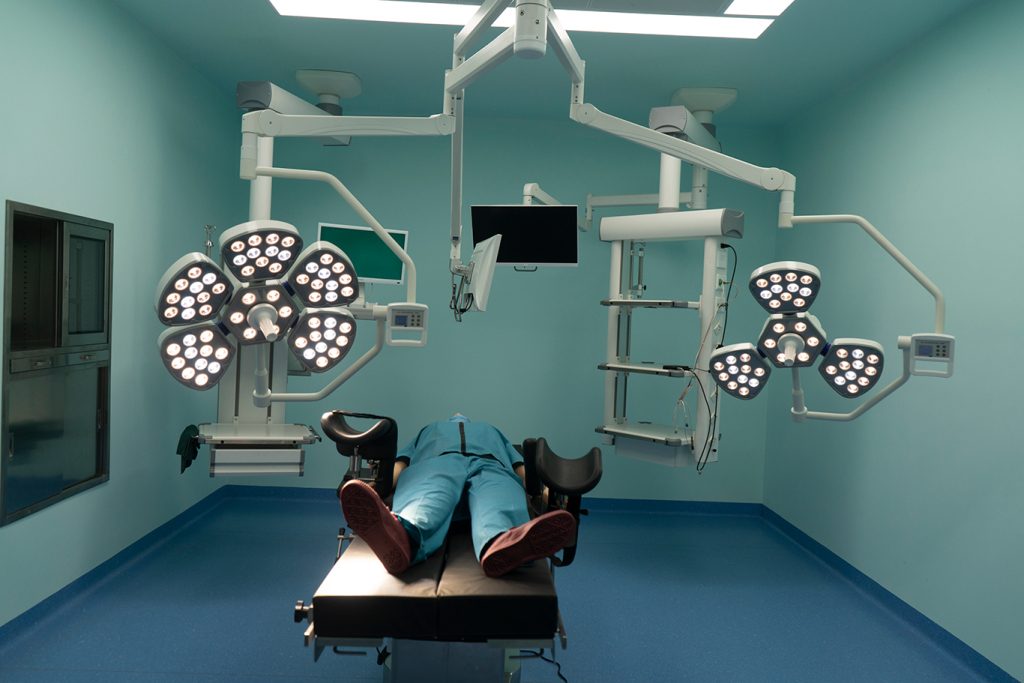
Modern LED Surgical Lights are typically mounted on ceilings, walls, or mobile stands and are engineered to maintain consistent lighting even when obstructed by surgical staff.
Why LED Surgical Lights Are Essential in Modern Operating Rooms
The importance of LED Surgical Lights goes far beyond simple illumination. They directly influence surgical accuracy and efficiency.
Key Reasons Hospitals Prefer LED Surgical Lights:
- Enhanced Visibility
High-quality LED Surgical Lights provide uniform brightness without dark spots or glare. - Reduced Heat Exposure
Unlike halogen systems, LED Surgical Lights generate minimal heat, improving comfort for both patients and surgeons. - Energy Efficiency
Modern LED Surgical Lights consume significantly less power, reducing hospital operational costs. - Long Lifespan
Many LED Surgical Lights last over 50,000 hours, minimizing replacement frequency. - Improved Infection Control
Some LED Surgical Lights are designed with smooth surfaces to reduce dust accumulation and improve sterilization.
Types of LED Surgical Lights
Different surgical environments require different configurations of LED Surgical Lights. Below is a breakdown of the most common types:
Table 1: Types of LED Surgical Lights
| Type | Description | Best Use Case |
|---|---|---|
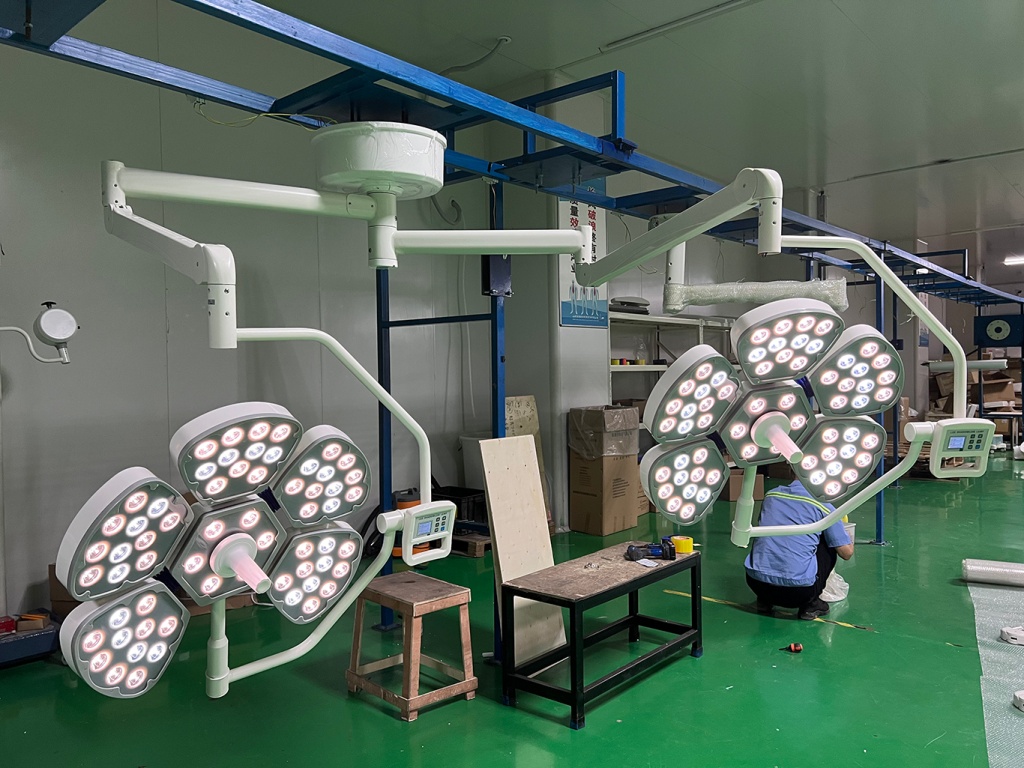
| Ceiling-Mounted LED Surgical Lights | Fixed on ceiling with adjustable arms | General surgery, major operating rooms |
| Mobile LED Surgical Lights | Portable units with wheels | Emergency rooms, outpatient clinics |
| Wall-Mounted LED Surgical Lights | Installed on walls for space-saving | Small clinics, dental surgeries |
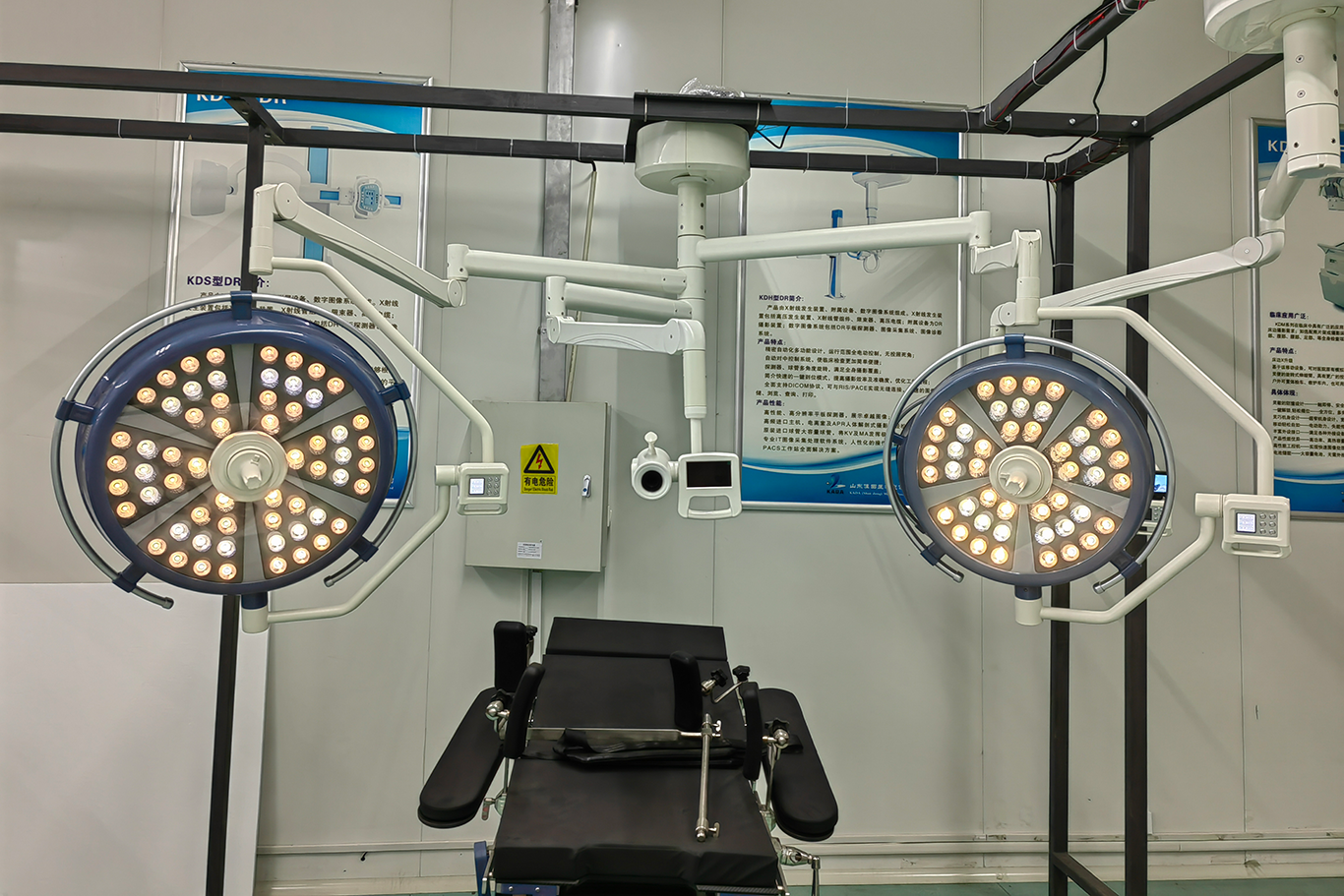
| Dual Dome LED Surgical Lights | Two-light system for shadow reduction | Complex surgeries |
| Single Dome LED Surgical Lights | One light source system | Minor procedures |
Each type of LED Surgical Lights serves a specific clinical requirement, and selecting the correct configuration is crucial for efficiency.
Key Technical Specifications of LED Surgical Lights
When evaluating LED Surgical Lights, technical performance is one of the most important factors.
Illumination Intensity (Lux)
High-quality LED Surgical Lights typically offer illumination between 40,000 and 160,000 lux depending on the model.
Color Temperature
Most LED Surgical Lights provide adjustable color temperatures ranging from 3500K to 6700K, allowing surgeons to adapt lighting based on tissue type.
Color Rendering Index (CRI)
A CRI of 90+ is standard for premium LED Surgical Lights, ensuring accurate color representation of tissues.
Shadow Control
Advanced LED Surgical Lights use multi-reflector or multi-LED arrays to minimize shadows caused by surgical staff movement.
Depth of Illumination
Good LED Surgical Lights ensure deep cavity visibility, which is critical for abdominal and cardiovascular surgeries.
Comparison Between LED Surgical Lights and Traditional Surgical Lights
To better understand the value of LED Surgical Lights, it is useful to compare them with traditional lighting systems.
Table 2: LED Surgical Lights vs Halogen Lights
| Feature | LED Surgical Lights | Halogen Surgical Lights |
|---|---|---|
| Energy Consumption | Low | High |
| Heat Emission | Minimal | High |
| Lifespan | 50,000+ hours | 1,000–2,000 hours |
| Color Accuracy | High (CRI 90+) | Moderate |
| Maintenance Cost | Low | High |
| Environmental Impact | Eco-friendly | Less eco-friendly |
As shown above, LED Surgical Lights clearly outperform traditional halogen systems in almost every category.
Installation Considerations for LED Surgical Lights
Proper installation is critical for maximizing performance of LED Surgical Lights.
Common Installation Types:
- Ceiling suspension system
- Fixed wall mounting
- Mobile floor-based system
Installation Factors to Consider:
- Operating room ceiling height
- Electrical compatibility
- Sterile environment requirements
- Positioning flexibility of LED Surgical Lights
Incorrect installation can reduce the efficiency of LED Surgical Lights and impact surgical workflow.
Applications of LED Surgical Lights
LED Surgical Lights are used in a wide range of medical environments:
- General surgery rooms
- Orthopedic surgery suites
- Dental clinics
- Veterinary hospitals
- Emergency rooms
- Gynecology and obstetrics units
Each application requires specific configurations of LED Surgical Lights to ensure optimal performance.
Maintenance and Lifespan of LED Surgical Lights
One of the biggest advantages of LED Surgical Lights is their low maintenance requirement.
Maintenance Tips:
- Regular cleaning of light dome surfaces
- Periodic electrical inspection
- Ensuring sterile handle maintenance
- Checking mounting stability
Proper maintenance ensures LED Surgical Lights maintain peak performance for many years.
Common Mistakes When Buying LED Surgical Lights
Many buyers make avoidable mistakes when selecting LED Surgical Lights:
- Choosing based only on price
- Ignoring CRI values
- Overlooking installation requirements
- Not considering operating room size
- Selecting insufficient illumination power
Avoiding these mistakes ensures better performance from LED Surgical Lights and improves surgical outcomes.
Future Trends of LED Surgical Lights
The future of LED Surgical Lights is moving toward smarter and more integrated systems.
Emerging Trends:
- AI-assisted brightness adjustment
- Touchless control systems
- Integrated camera systems
- Wireless operation panels
- Smart hospital integration
These innovations will make LED Surgical Lights even more efficient and essential in modern healthcare systems.
If you need medical equipment or other services, please contact us!
Email: demanmedical@gmail.com
Phone: +86-13188819888
Facebook:https://www.facebook.com/demanmedical/
Instagram: https://www.instagram.com/deman.medical/
YouTube: https://www.youtube.com/@DEMANmedical
FAQ
What are LED Surgical Lights used for?
LED Surgical Lights are used to provide high-intensity, shadow-free illumination during surgical procedures in operating rooms and clinical environments.
How long do LED Surgical Lights last?
Most LED Surgical Lights last between 50,000 and 100,000 hours depending on usage and maintenance.
Are LED Surgical Lights better than halogen lights?
Yes, LED Surgical Lights are more energy-efficient, produce less heat, and offer better color accuracy compared to halogen systems.
What is the ideal brightness for LED Surgical Lights?
High-quality LED Surgical Lights typically range from 40,000 to 160,000 lux depending on surgical requirements.
Can LED Surgical Lights reduce energy costs?
Yes, LED Surgical Lights consume significantly less power, reducing long-term hospital energy expenses.
Conclusion
In today’s advanced medical environment, LED Surgical Lights have become an essential component of any operating room. Their superior illumination quality, energy efficiency, long lifespan, and advanced features make them far superior to traditional lighting systems.
When selecting LED Surgical Lights, it is important to consider technical specifications, installation requirements, cost factors, and clinical application needs. Investing in high-quality LED Surgical Lights not only improves surgical precision but also enhances overall hospital efficiency and patient safety.
As technology continues to evolve, LED Surgical Lights will become even more intelligent, efficient, and integrated into modern surgical systems—making them a long-term investment for any healthcare facility.