

Welcome to My Blog!
Before we dive into the content, if you’re interested in our products or have any questions, please feel free to visit our Contact Us page on the website. Our team is ready to assist you with inquiries, orders, or any support you may need.
Now, let’s get started on our journey together. I hope you find the content here insightful, engaging, and valuable.
Introduction
Choosing the right operation table is one of the most critical decisions a hospital, clinic, or surgical center can make. An operation table is not just a piece of medical equipment—it is the foundation of every surgical procedure. From minor outpatient surgeries to complex orthopedic, neurosurgical, or cardiovascular operations, the performance, stability, and functionality of the operation table directly impact surgical outcomes, patient safety, and medical staff efficiency.
In today’s healthcare environment, hospitals are under increasing pressure to improve surgical precision, reduce procedure time, and enhance patient comfort. This makes the selection of an appropriate operation table more important than ever. With a wide range of operation table models available on the market—manual, hydraulic, electric, imaging-compatible, and specialty tables—many buyers feel overwhelmed when trying to identify the most suitable option.
This comprehensive operation table buying guide is designed to help hospital administrators, procurement managers, biomedical engineers, and surgeons understand how to choose the right operation table based on clinical needs, budget, and long-term operational goals. By the end of this guide, you will have a clear understanding of operation table types, key features, technical parameters, and purchasing considerations.
Why the Operation Table Is Critical in Modern Surgery
An operation table plays a central role in the operating room. While surgical instruments and surgeon skills are essential, the operation table ensures proper patient positioning, surgical access, and procedural stability.
Impact on Surgical Accuracy
A high-quality operation table allows precise positioning, tilt, height adjustment, and section articulation. These features are especially important in:
- Orthopedic surgery
- Neurosurgery
- Gynecology and obstetrics
- Urology procedures
If an operation table lacks stability or smooth movement, even a skilled surgeon may face limitations.
Patient Safety and Comfort
The operation table supports patients for long periods, sometimes several hours. Poor cushioning, uneven surfaces, or unstable locking mechanisms can lead to:
- Pressure injuries
- Nerve damage
- Circulatory issues
Modern operation tables are designed with ergonomic mattresses, pressure-relief materials, and secure fixation systems.
Efficiency in the Operating Room
An advanced operation table can significantly reduce setup time and repositioning during surgery. Features such as remote control, memory positions, and modular accessories help streamline workflows and reduce staff fatigue.
Main Types of Operation Tables
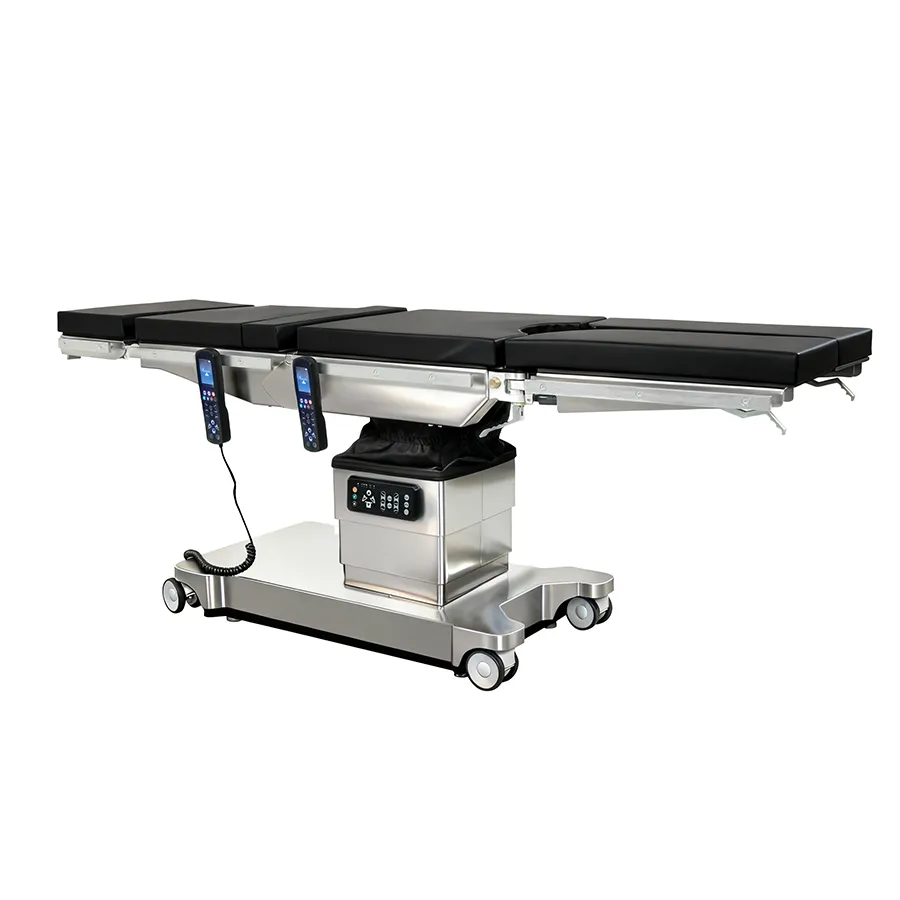
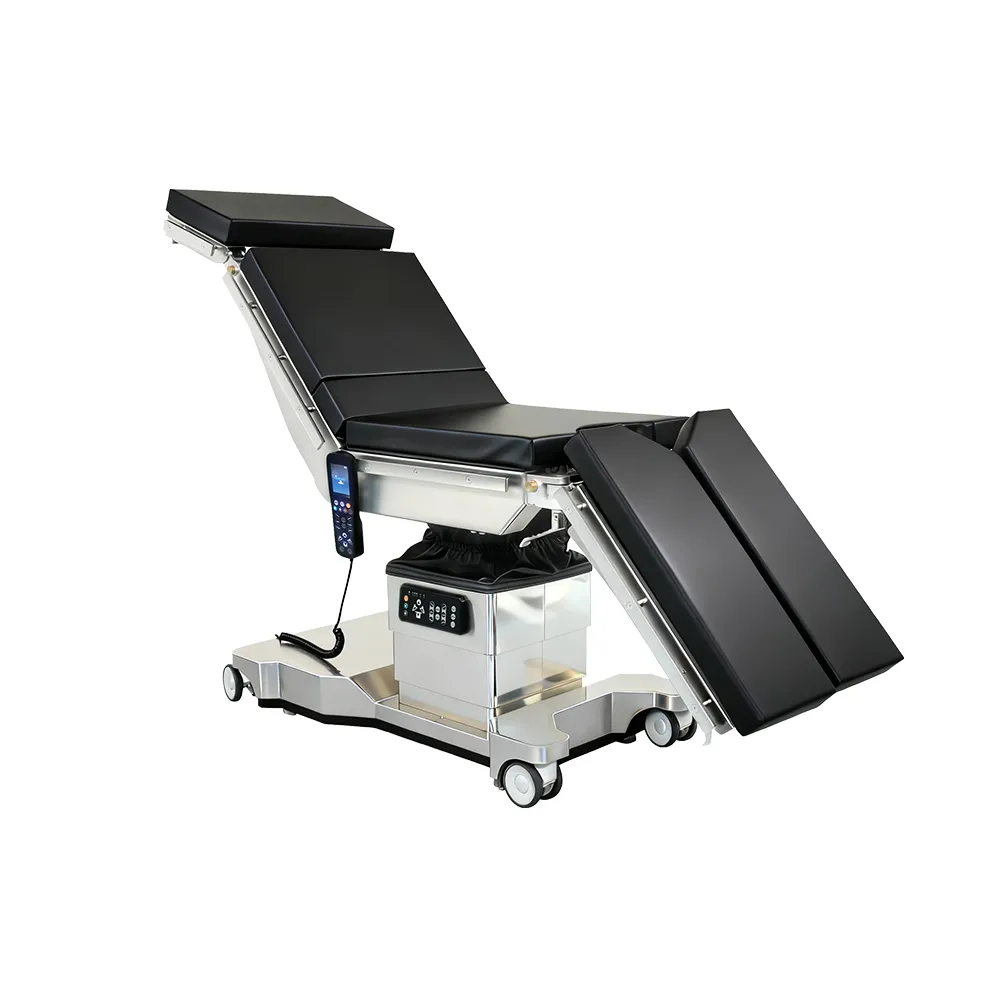
Before selecting an operation table, it is essential to understand the main categories available in the market.
Manual Operation Table
A manual operation table uses mechanical controls such as hand cranks or levers.
Advantages:
- Lower cost
- Simple structure
- Easy maintenance
Limitations:
- Limited positioning precision
- More physical effort required
Manual operation tables are often used in small clinics or regions with limited electricity supply.
Hydraulic Operation Table
A hydraulic operation table uses hydraulic pumps for height and position adjustment.
Advantages:
- Smoother movement than manual tables
- Better load capacity
- Moderate price range
Limitations:
- Manual pumping still required
- Less precise than electric models
Electric Operation Table
An electric operation table is the most popular choice in modern hospitals.
Advantages:
- Precise positioning
- Remote or panel control
- Memory functions
- High load capacity
Electric operation tables are suitable for multi-disciplinary surgical departments.
Imaging-Compatible Operation Table
This type of operation table is designed for compatibility with C-arm, X-ray, CT, or MRI systems.
Key Features:
- Radiolucent tabletop
- Carbon fiber materials
- Floating tabletop design
Imaging-compatible operation tables are essential for orthopedic trauma, spinal surgery, and interventional procedures.
Comparison of Operation Table Types
| Operation Table Type | Power Source | Positioning Accuracy | Typical Application |
|---|---|---|---|
| Manual Operation Table | Mechanical | Low | Basic procedures |
| Hydraulic Operation Table | Hydraulic | Medium | General surgery |
| Electric Operation Table | Electric motor | High | Multi-specialty surgery |
| Imaging-Compatible Operation Table | Electric | Very High | Orthopedic, trauma |
Key Features to Consider When Choosing an Operation Table
Selecting the right operation table requires careful evaluation of technical and clinical features.
Load Capacity
A modern operation table must support a wide range of patient weights. High-end operation tables typically support 250–450 kg, including accessories.
Tabletop Material
- Stainless steel: durable and easy to clean
- Carbon fiber: radiolucent and lightweight
For hospitals performing image-guided surgery, a carbon fiber operation table is highly recommended.
Adjustability and Positioning
Important positioning functions include:
- Height adjustment
- Trendelenburg / Reverse Trendelenburg
- Lateral tilt
- Backrest, leg section, and headrest articulation
The more flexible the operation table, the wider its clinical application.
Control System
Modern operation tables may offer:
- Wired remote control
- Wireless remote control
- Emergency override system
Reliable control systems ensure uninterrupted surgery even in case of power failure.
Essential Operation Table Technical Parameters
| Parameter | Recommended Range |
|---|---|
| Height Adjustment | 600–1000 mm |
| Trendelenburg Angle | ±25° |
| Lateral Tilt | ±20° |
| Load Capacity | ≥250 kg |
| Power Backup | ≥24 hours standby |
Operation Table Applications by Surgical Department
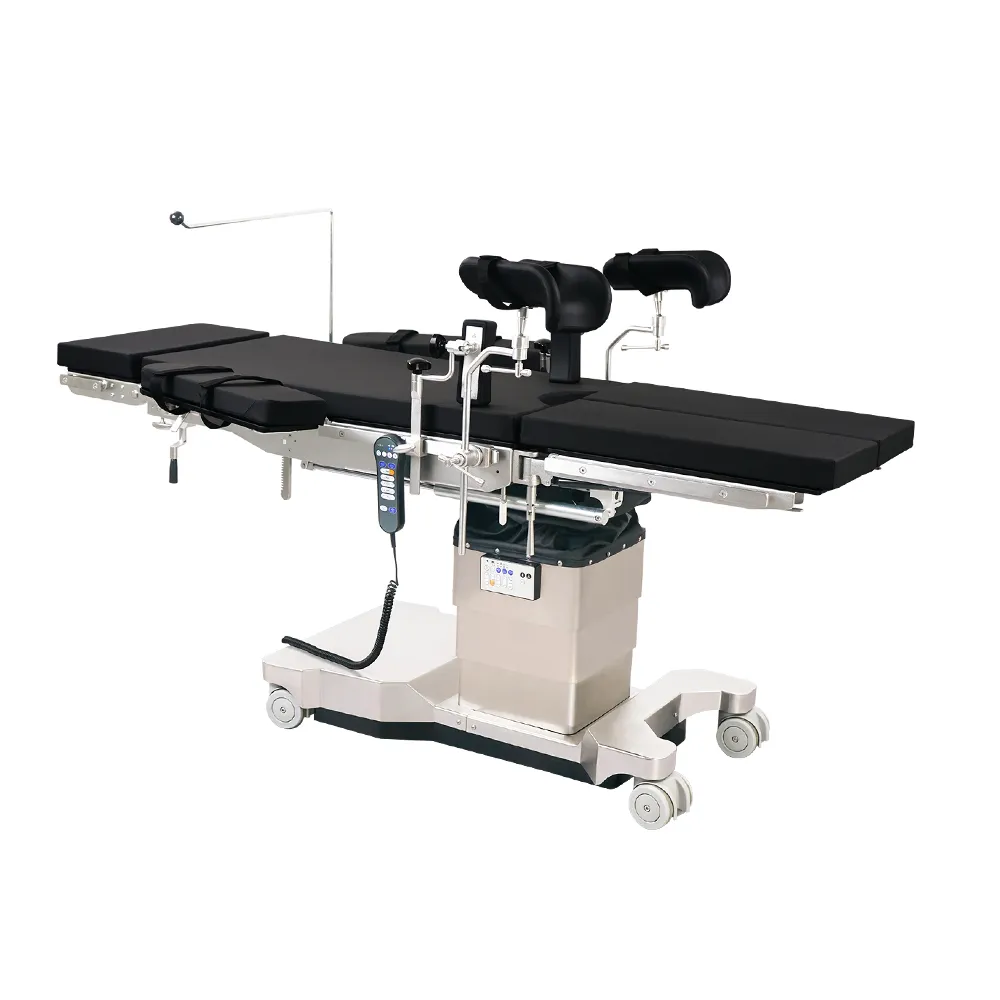

Different departments have different requirements for an operation table.
General Surgery
A general surgery operation table should offer:
- Wide positioning range
- Easy accessory compatibility
- Stable base
Orthopedic Surgery
Orthopedic procedures demand:
- High load capacity
- Imaging compatibility
- Traction accessories
An orthopedic operation table often integrates with C-arm systems.
Gynecology and Obstetrics
For OB/GYN departments, the operation table must support:
- Lithotomy position
- Removable leg sections
- Perineal access
Neurosurgery
Neurosurgical procedures require extreme precision. The operation table must provide:
- Ultra-stable positioning
- Micro-adjustment capability
- Head fixation compatibility
Recommended Operation Table by Department
| Department | Recommended Operation Table Type |
|---|---|
| General Surgery | Electric operation table |
| Orthopedics | Imaging-compatible operation table |
| Gynecology | Modular electric operation table |
| Neurosurgery | High-precision electric operation table |
Safety Standards and Certifications for Operation Tables
A hospital-grade operation table must comply with international standards.
Common Certifications
- CE (Europe)
- ISO 13485
- IEC 60601
These certifications ensure the operation table meets electrical safety, mechanical stability, and quality management requirements.
Infection Control Considerations
An operation table should feature:
- Seamless surfaces
- Corrosion-resistant materials
- Easy disassembly for cleaning
Cost vs. Long-Term Value of an Operation Table
While price is an important factor, hospitals should focus on total cost of ownership.
Initial Purchase Cost
Lower-priced operation tables may save budget initially but often lack durability or advanced features.
Maintenance and Spare Parts
High-quality operation tables offer:
- Longer service life
- Lower maintenance frequency
- Better spare parts availability
Clinical Versatility
A multi-functional operation table reduces the need to purchase multiple specialty tables.
Common Mistakes When Buying an Operation Table
Many hospitals make avoidable mistakes when purchasing an operation table:
- Choosing price over quality
- Ignoring future surgical expansion
- Overlooking accessory compatibility
- Neglecting after-sales support
A well-chosen operation table should serve the hospital for 10–15 years.
Conclusion
Selecting the right operation table is a strategic investment for any hospital or surgical center. The operation table directly affects surgical precision, patient safety, staff efficiency, and overall operating room performance. By understanding the different types of operation tables, key technical features, departmental requirements, and long-term value considerations, decision-makers can make informed choices that support both current and future clinical needs.
A reliable, versatile, and certified operation table is not just equipment—it is a cornerstone of modern surgical care. Hospitals that invest wisely in the right operation table position themselves for improved outcomes, higher efficiency, and long-term success.
FAQ: Operation Table Buying Guide
Q1: What is the average lifespan of an operation table?
A high-quality operation table typically lasts 10–15 years, depending on usage frequency and maintenance.
Q2: How do I choose between a hydraulic and electric operation table?
If your hospital performs a wide range of surgeries and requires precise positioning, an electric operation table is the better choice.
Q3: Is an imaging-compatible operation table necessary?
If your hospital performs orthopedic trauma, spinal, or interventional procedures, an imaging-compatible operation table is highly recommended.
Q4: Can one operation table be used for multiple departments?
Yes. A modular electric operation table with appropriate accessories can support multiple surgical specialties.
Q5: What certifications should an operation table have?
At minimum, an operation table should have CE certification and comply with ISO 13485 standards.