

Introduction
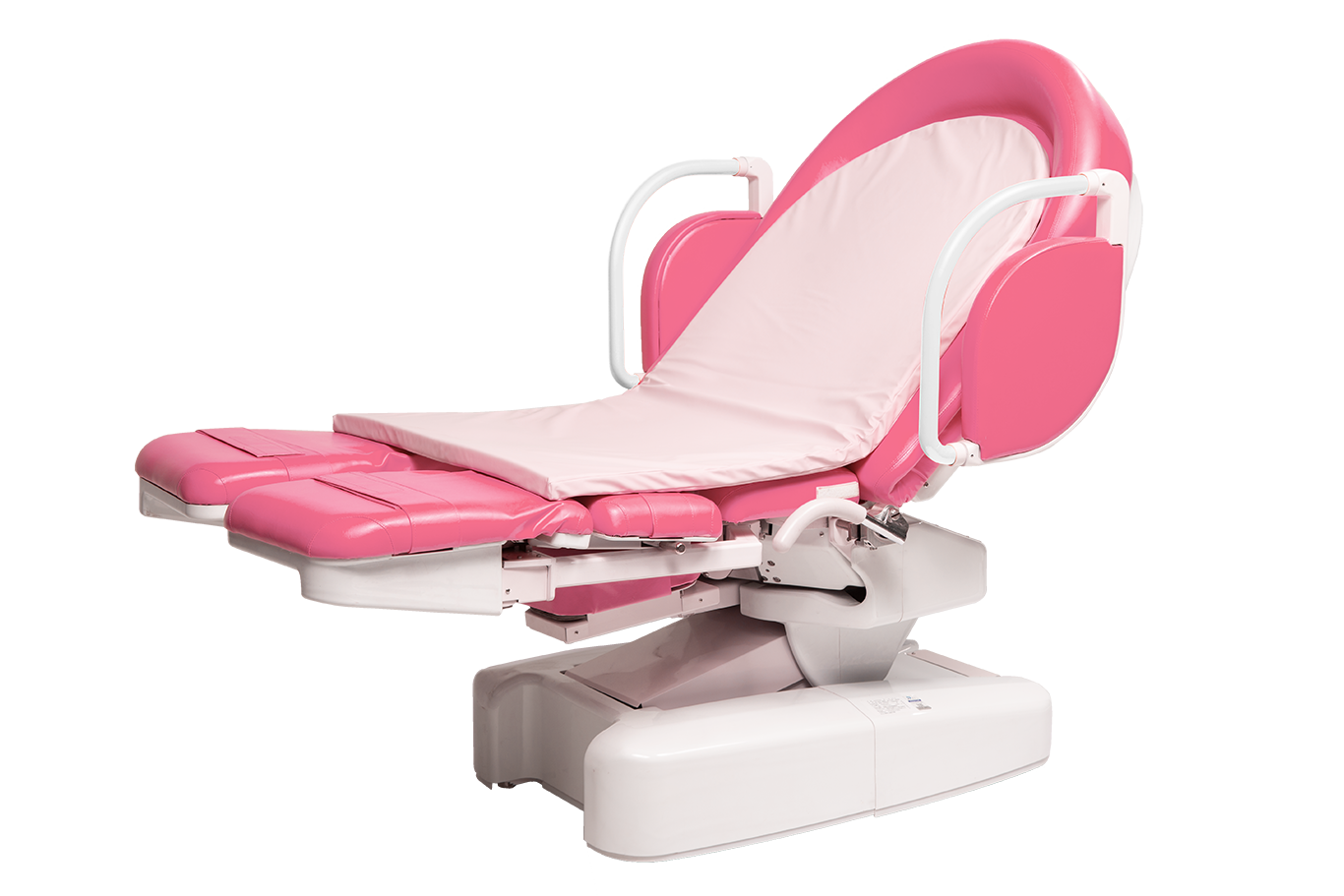
Women’s healthcare requires specialized medical equipment that supports accurate diagnosis, efficient treatment, and patient comfort. Among the most important pieces of equipment in gynecology departments, obstetrics clinics, fertility centers, and outpatient surgical facilities is the electric gynecological operating table. Designed specifically for gynecological examinations, minor surgical procedures, obstetric interventions, and reproductive healthcare, these tables provide flexibility, safety, and convenience for both medical professionals and patients.
As healthcare facilities continue to modernize, the demand for advanced electric operating tables has increased significantly. Compared with traditional manual examination tables, an electric gynecological operating table offers smooth positioning adjustments, enhanced ergonomics, improved patient comfort, and greater procedural efficiency.
Choosing the right model can be challenging due to the wide range of features, configurations, and price levels available in today’s market. This guide explains everything clinics need to know when selecting the best electric gynecological operating table, including types, benefits, essential features, applications, and purchasing considerations.
What Is an Electric Gynecological Operating Table?
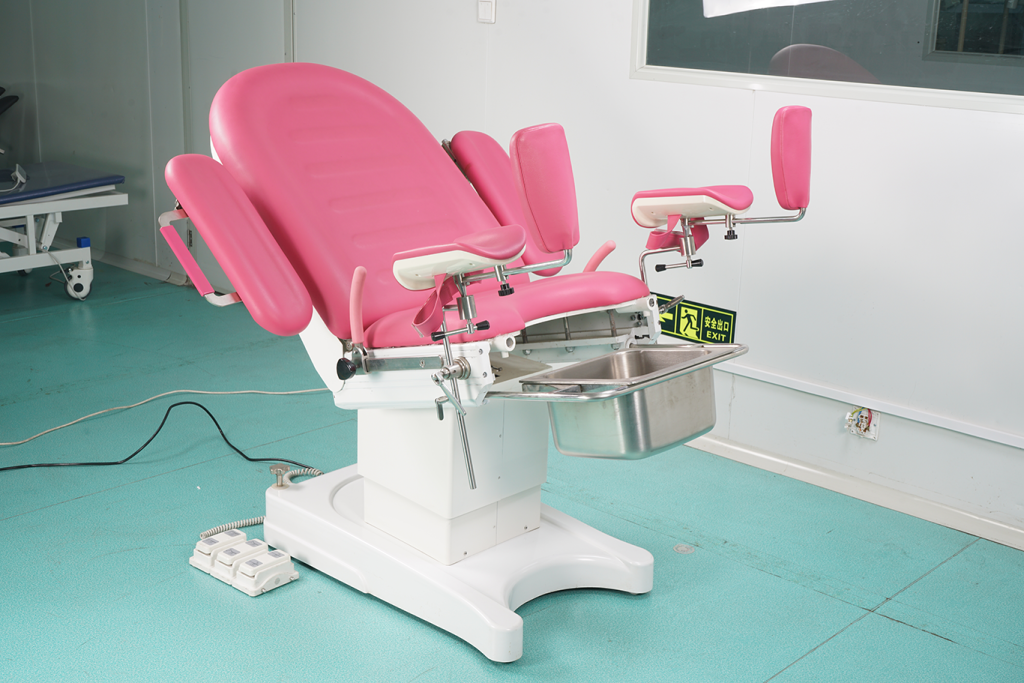
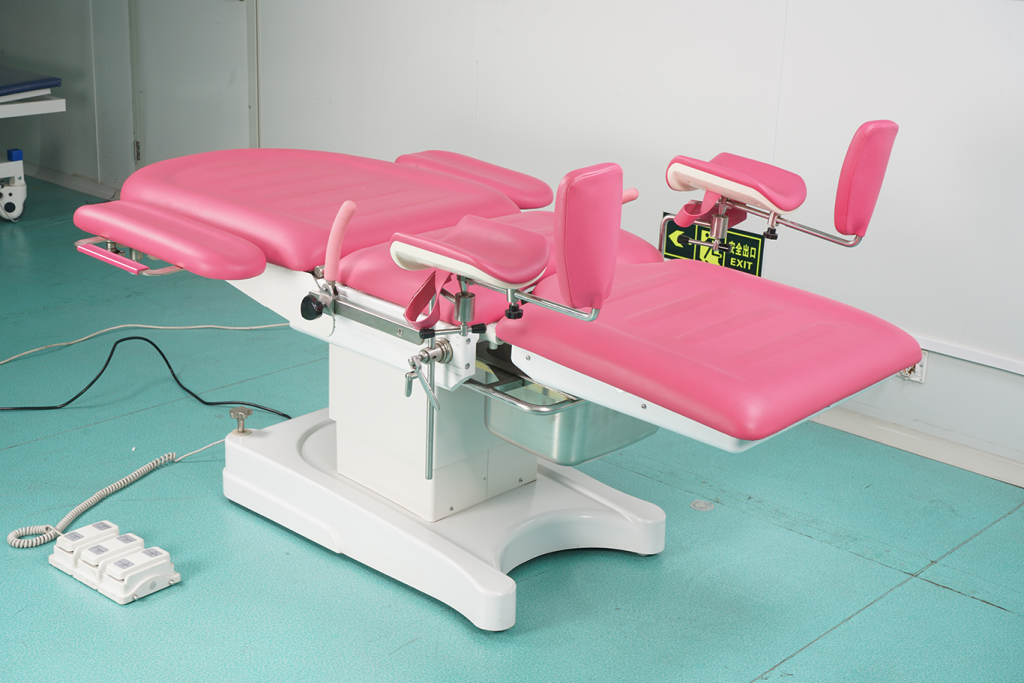
An electric gynecological operating table is a specialized medical table designed for gynecological examinations, obstetric procedures, fertility treatments, and minor surgeries. It uses electric actuators or linear motors to control table movements, allowing healthcare providers to adjust positions quickly and accurately.
Unlike manual tables that require physical effort to reposition, electric models offer automated adjustments through hand controls or foot switches.
Main Functions
- Patient examination
- Gynecological procedures
- Obstetric treatments
- Fertility evaluations
- Minor surgical interventions
- Colposcopy procedures
Key Characteristics
| Feature | Description |
|---|---|
| Power System | Electric motor or linear actuator |
| Height Adjustment | Motorized |
| Backrest Adjustment | Electric |
| Trendelenburg Position | Available on many models |
| Leg Supports | Adjustable |
| Patient Capacity | Typically 150–250 kg |
The versatility of an electric gynecological operating table makes it a valuable asset for modern healthcare facilities.
Why Clinics Prefer Electric Gynecological Operating Tables
Medical professionals increasingly choose electric systems because they improve workflow and patient care.
Improved Efficiency
Electric controls allow quick position changes during procedures.
Enhanced Patient Comfort
Smooth movements reduce discomfort and anxiety.
Better Ergonomics
Healthcare providers can adjust working height to reduce physical strain.
Increased Safety
Stable positioning improves procedural precision.
Benefits Overview
| Benefit | Impact |
| Faster Positioning | Improved workflow |
| Greater Comfort | Better patient experience |
| Ergonomic Design | Reduced staff fatigue |
| Precise Adjustment | Improved clinical accuracy |
| Enhanced Safety | Reduced positioning risks |
These advantages explain why the electric gynecological operating table has become standard equipment in many healthcare facilities.
Types of Electric Gynecological Operating Tables
Different clinics require different table configurations depending on their services.
Examination Tables
Designed primarily for routine gynecological examinations.
Features
- Electric height adjustment
- Adjustable backrest
- Leg supports
- Compact design
Applications
- Women’s health clinics
- Outpatient centers
- Family planning clinics
Procedure Tables
Suitable for diagnostic and therapeutic procedures.
Features
- Multiple positioning functions
- Enhanced stability
- Integrated accessories
Applications
- Colposcopy
- Hysteroscopy
- Biopsy procedures
Surgical Gynecological Tables
Designed for advanced surgical procedures.
Features
- Multi-axis adjustment
- Trendelenburg positioning
- Higher load capacity
Applications
- Gynecological surgery
- Fertility procedures
- Minimally invasive interventions
Table Type Comparison
| Type | Primary Use | Functions |
| Examination Table | Routine exams | Basic positioning |
| Procedure Table | Diagnostic procedures | Enhanced adjustability |
| Surgical Table | Operations | Advanced positioning |
Selecting the right electric gynecological operating table depends on the clinical services provided.
Key Features to Consider
When purchasing a gynecological operating table, several technical features should be evaluated.
Electric Height Adjustment
Motorized height control improves accessibility for both patients and clinicians.
Benefits
- Easy patient transfer
- Improved ergonomics
- Enhanced safety
Backrest Adjustment
Allows clinicians to position patients appropriately for examinations and treatments.
Common Adjustment Range
| Function | Typical Range |
| Backrest Up | 60°–75° |
| Backrest Down | 10°–20° |
Trendelenburg and Reverse Trendelenburg
These positions are important for specific procedures and examinations.
Advantages
- Improved surgical access
- Enhanced patient positioning
- Greater procedural flexibility
Integrated Leg Supports
Leg holders help stabilize patients during gynecological procedures.
Benefits
- Comfortable positioning
- Better procedural access
- Reduced patient movement
Control System
Modern tables may feature:
- Hand remote controls
- Foot controls
- Memory positioning systems
A high-quality electric gynecological operating table should provide intuitive and reliable controls.
Applications of Electric Gynecological Operating Tables
These tables are used across various healthcare settings.
Gynecology Clinics
Routine examinations and diagnostic procedures.
Obstetrics Departments
Prenatal and postpartum evaluations.
Fertility Centers
Reproductive health assessments and treatments.
Ambulatory Surgery Centers
Minor gynecological surgeries and interventions.
Hospitals
Comprehensive women’s healthcare services.
Application Overview
| Facility Type | Typical Usage |
| Gynecology Clinic | Examinations |
| Fertility Center | Diagnostic procedures |
| Hospital | Surgical applications |
| Ambulatory Center | Outpatient treatments |
The broad range of applications increases the value of an electric gynecological operating table in modern healthcare.
Essential Accessories
Accessories improve functionality and patient comfort.
Common Accessories
- Leg supports
- Armrests
- Foot controls
- Stainless steel drainage basin
- Paper roll holder
- Anesthesia screen
Accessory Functions
| Accessory | Purpose |
| Leg Holder | Patient positioning |
| Arm Support | Comfort and stability |
| Drainage Basin | Fluid collection |
| Foot Switch | Hands-free control |
| Paper Roll Holder | Hygiene management |
The right accessories can significantly enhance the performance of an electric gynecological operating table.
Material and Construction Quality
Durability and hygiene are critical considerations.
Frame Material
Most premium models use:
- Stainless steel
- Powder-coated steel
- Aluminum alloy components
Cushion Material
Medical-grade polyurethane foam provides:
- Patient comfort
- Easy cleaning
- Pressure reduction
Material Comparison
| Material | Durability | Maintenance |
| Stainless Steel | Excellent | Easy |
| Aluminum Alloy | Very Good | Easy |
| PU Cushion | Good | Easy |
High-quality construction ensures the longevity of an electric gynecological operating table.
How to Choose the Best Electric Gynecological Operating Table
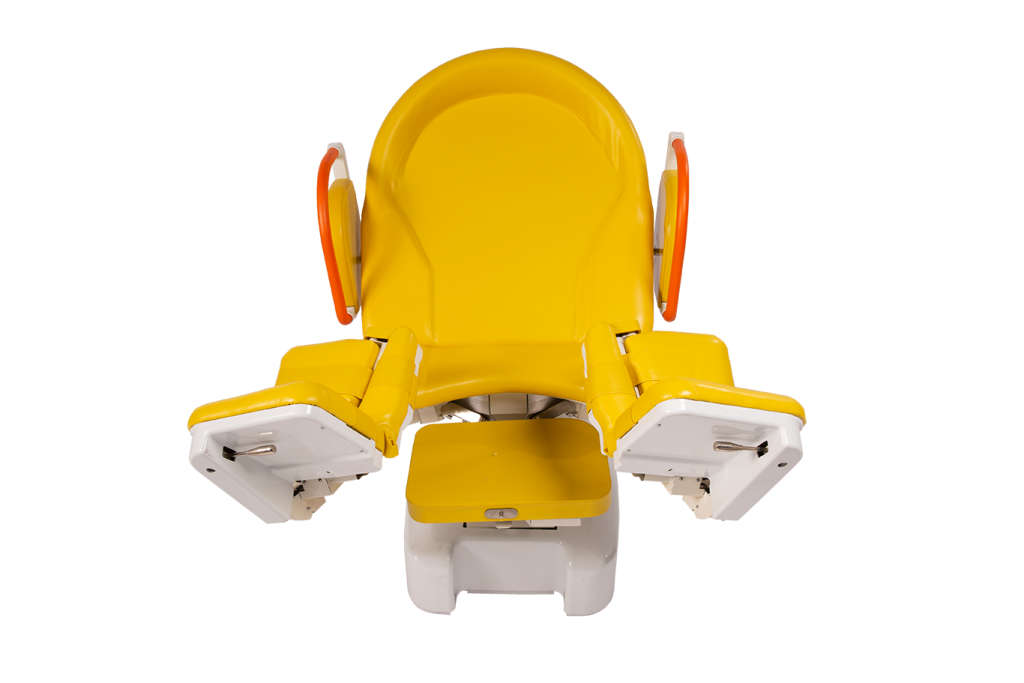
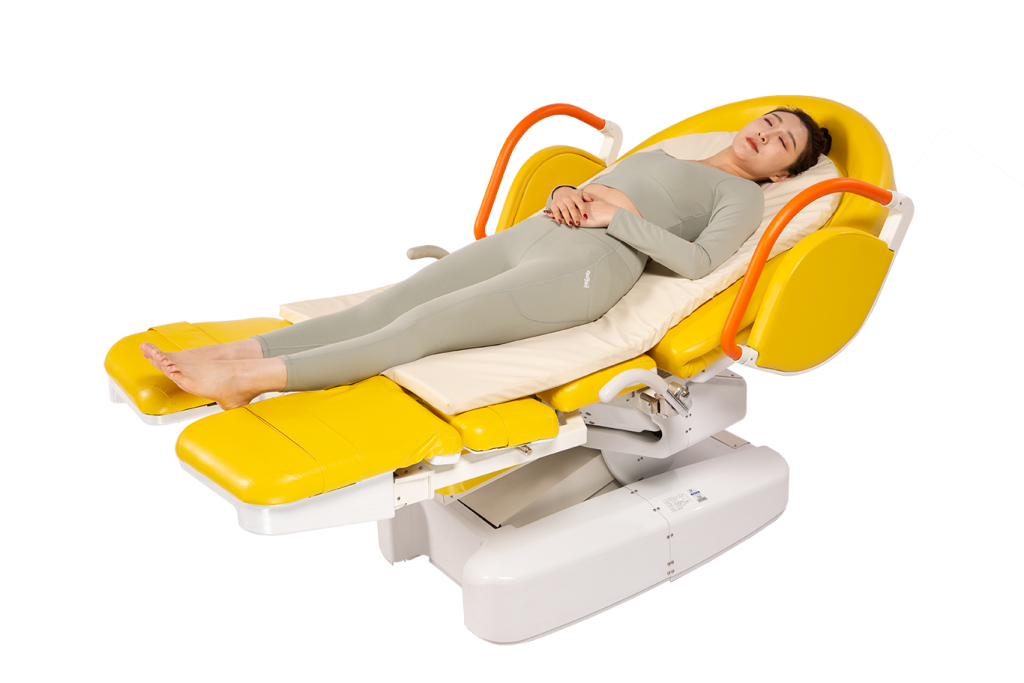
Purchasing decisions should be based on clinical requirements and long-term value.
Evaluate Clinical Needs
Consider:
- Examination volume
- Surgical procedures performed
- Patient demographics
Check Load Capacity
Ensure the table accommodates the expected patient population.
Review Adjustment Functions
More positioning options increase versatility.
Assess Safety Features
Look for:
- Emergency stop functions
- Stable base construction
- Locking mechanisms
Buying Checklist
| Factor | Importance |
| Safety | Very High |
| Positioning Functions | Very High |
| Durability | High |
| Patient Comfort | High |
| Ease of Cleaning | High |
| Warranty | High |
| Cost | Medium |
Choosing the right electric gynecological operating table helps maximize return on investment while improving patient care.
Maintenance and Care
Proper maintenance ensures reliable operation and extends equipment lifespan.
Maintenance Recommendations
- Clean after every patient
- Inspect electrical systems regularly
- Check moving parts
- Verify control functionality
- Follow manufacturer guidelines
Maintenance Schedule
| Task | Frequency |
| Cleaning | After each use |
| Visual Inspection | Weekly |
| Functional Testing | Monthly |
| Preventive Maintenance | Annually |
Routine maintenance helps keep the electric gynecological operating table operating safely and efficiently.
Future Trends in Gynecological Operating Tables
Healthcare technology continues to evolve rapidly.
Smart Positioning Systems
Automated positioning improves efficiency and consistency.
Memory Function Controls
Clinicians can save preferred positions for faster setup.
Integrated Digital Interfaces
Touchscreen controls simplify operation.
Improved Ergonomics
New designs focus on patient comfort and caregiver convenience.
Technology Trends
| Innovation | Benefit |
| Smart Controls | Greater efficiency |
| Memory Positions | Faster workflow |
| Digital Interfaces | Easier operation |
| Advanced Cushions | Better patient comfort |
These innovations are shaping the future of the electric gynecological operating table market.
If you need medical equipment or other services, please contact us!
Email: demanmedical@gmail.com
Phone: +86-13188819888
Facebook:https://www.facebook.com/demanmedical/
Instagram: https://www.instagram.com/deman.medical/
YouTube: https://www.youtube.com/@DEMANmedical
Conclusion
An electric gynecological operating table is an essential investment for clinics, hospitals, fertility centers, and outpatient facilities focused on women’s healthcare. By providing precise positioning, improved ergonomics, enhanced patient comfort, and efficient workflow, these tables support a wide range of examinations and procedures.
When selecting the best model, healthcare providers should evaluate positioning functions, load capacity, safety features, construction quality, and accessory compatibility. Investing in a high-quality electric gynecological operating table not only improves clinical performance but also enhances patient satisfaction and operational efficiency.
As technology continues to advance, modern electric tables will become even more intelligent, ergonomic, and adaptable to the evolving needs of healthcare facilities worldwide.
FAQ
What is an electric gynecological operating table?
An electric gynecological operating table is a motorized medical table used for gynecological examinations, treatments, and surgical procedures.
Why do clinics use electric gynecological operating tables?
They provide precise positioning, improved patient comfort, and greater efficiency compared to manual tables.
What procedures can be performed on these tables?
They are suitable for examinations, colposcopy, hysteroscopy, fertility treatments, and minor gynecological surgeries.
What is the typical load capacity?
Most models support between 150 kg and 250 kg, depending on design.
Are electric gynecological operating tables adjustable?
Yes. Most models offer electric height adjustment, backrest positioning, and Trendelenburg functions.