
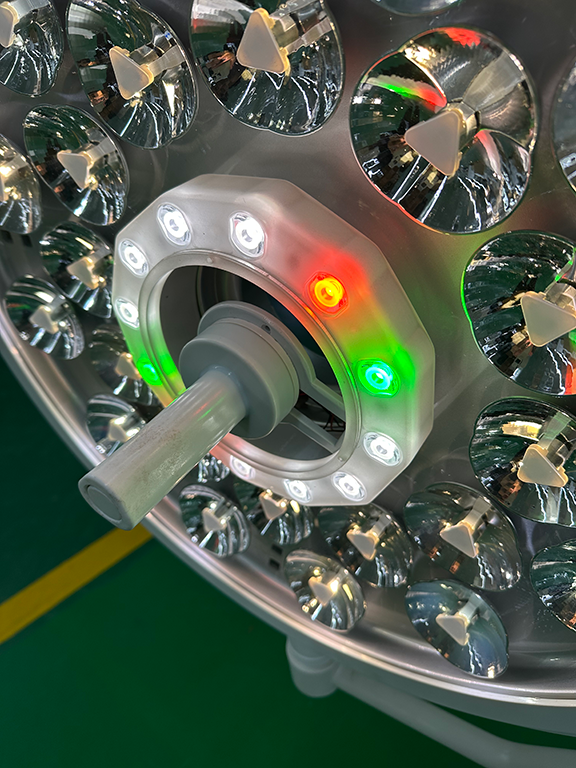

Introduction
In modern surgical environments, lighting is not just a supporting element—it is a critical factor that directly influences surgical precision, safety, and outcomes. Among all types of medical lighting systems, shadowless lamps play an indispensable role in operating rooms. These specialized lights are designed to eliminate shadows, improve visibility, and ensure surgeons can perform delicate procedures with maximum accuracy.
Unlike conventional lighting sources, shadowless lamps are engineered using advanced optical principles and multi-point light distribution technology. This allows them to maintain consistent illumination even when a surgeon’s hands, instruments, or equipment block part of the light source. As surgical procedures become more complex and minimally invasive techniques continue to evolve, the importance of reliable lighting has never been greater.
In this article, we will explore why shadowless lamps are essential in operating rooms, how they work, their key benefits, technical characteristics, and what makes them a cornerstone of modern medical facilities.
What Are Shadowless Lamps?
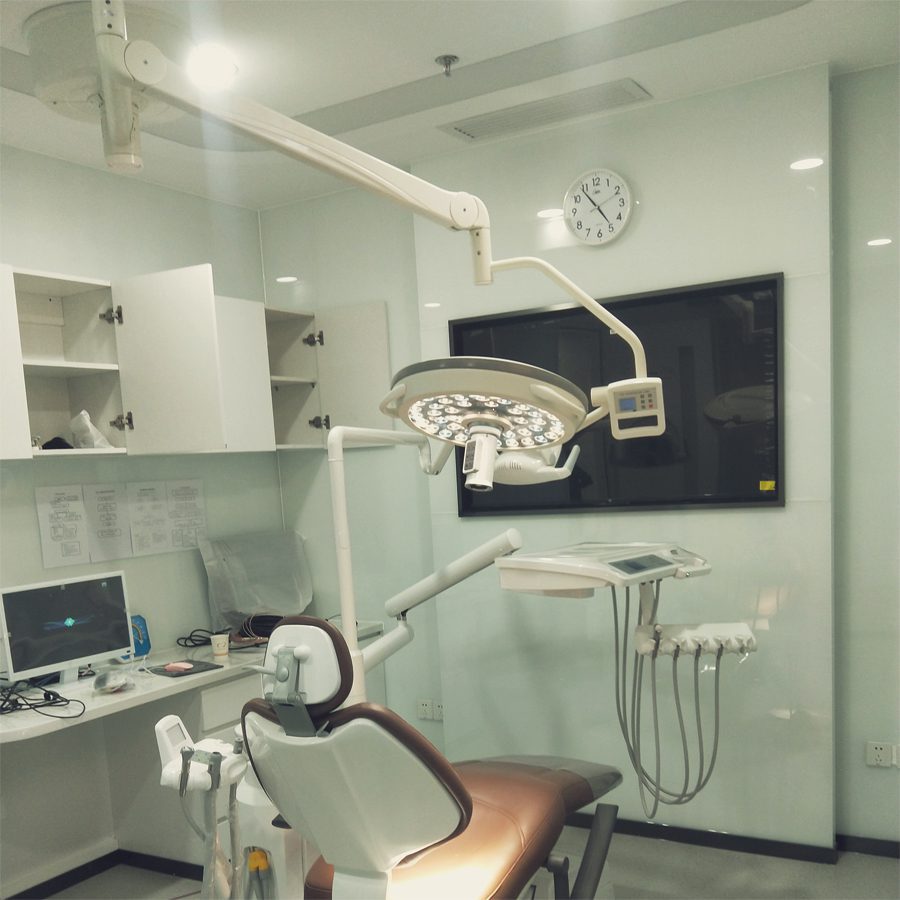
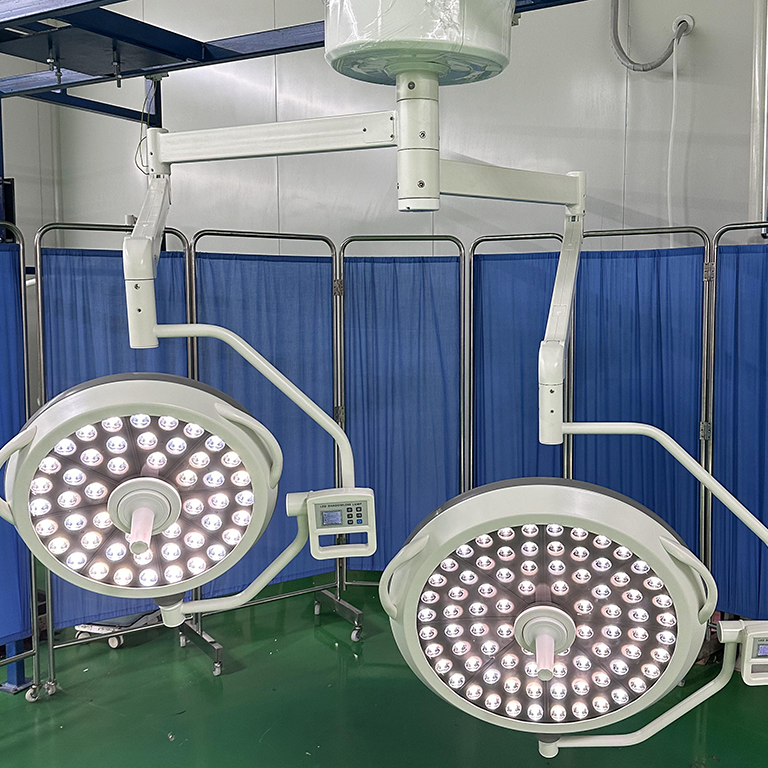
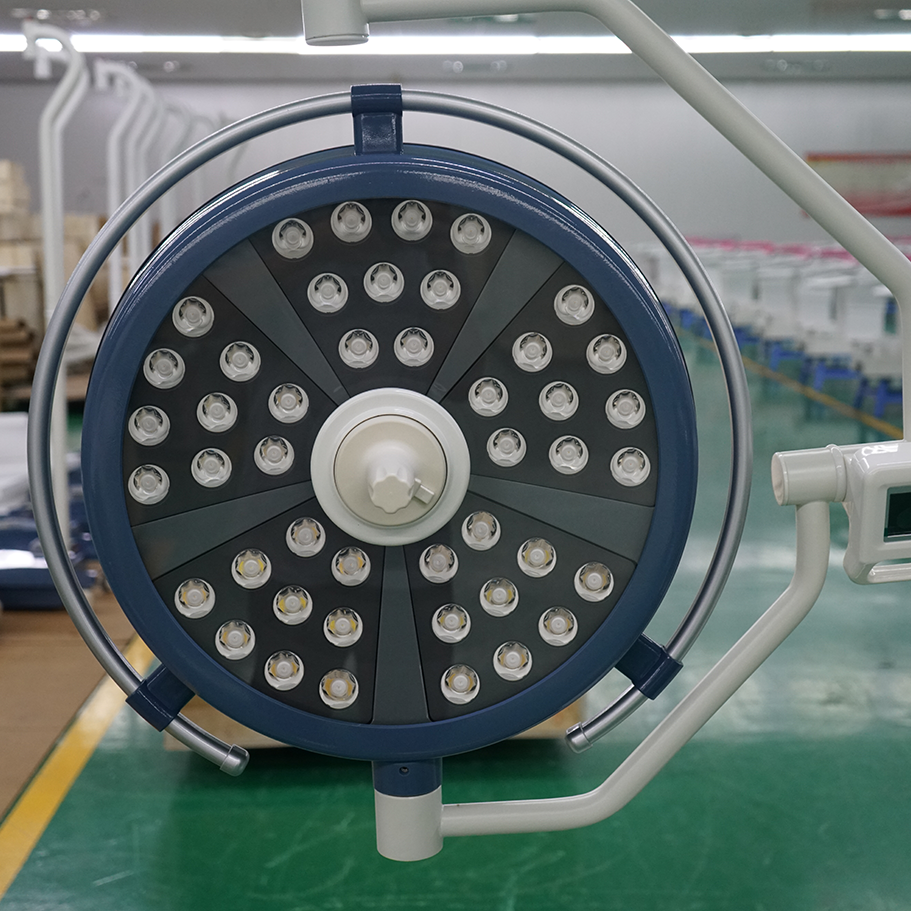
Shadowless lamps, also known as surgical lights, are specialized lighting devices used in operating rooms to provide high-intensity, uniform illumination without casting disruptive shadows on the surgical field.
They are typically mounted on ceilings, walls, or mobile stands and consist of multiple LED or halogen light sources arranged in a circular or multi-point configuration. This design ensures that light reaches the surgical area from multiple angles, reducing or eliminating shadow formation.
Key Characteristics of Shadowless Lamps
| Feature | Description |
|---|---|
| Multi-point lighting system | Uses multiple LEDs or bulbs to reduce shadows |
| High illumination intensity | Provides strong, focused light for surgical precision |
| Adjustable color temperature | Allows surgeons to adapt lighting to tissue types |
| Low heat emission | Prevents tissue drying and surgeon discomfort |
| Sterile handle design | Enables surgeons to adjust lighting during procedures |
These features make shadowless lamps a standard requirement in modern operating rooms worldwide.
How Shadowless Lamps Work
The core principle behind shadowless lamps is overlapping light beams. Instead of relying on a single light source, these lamps use multiple light-emitting diodes arranged in a dome or circular pattern.
When one beam is partially blocked by an object—such as a surgeon’s hand—other beams continue to illuminate the same area from different angles. This overlapping effect minimizes shadow formation.
Working Principle Breakdown
| Component | Function |
|---|---|
| LED light array | Produces multiple overlapping light beams |
| Reflector system | Directs and diffuses light evenly |
| Optical lens | Focuses light onto the surgical field |
| Control panel | Adjusts brightness and color temperature |
| Heat dissipation system | Maintains stable performance during long surgeries |
This engineering ensures continuous, stable lighting even during long and complex surgical procedures.
Importance of Shadowless Lamps in Surgery
The role of shadowless lamps in surgical environments cannot be overstated. They directly affect the accuracy, safety, and efficiency of medical procedures.
Enhancing Surgical Precision
Surgeons rely heavily on visual clarity. Even minor shadows can distort perception and increase the risk of error. Shadowless lamps eliminate this problem by ensuring uniform brightness across the entire surgical field.
Improving Patient Safety
Clear visibility reduces the likelihood of accidental injury to surrounding tissues and organs. This is especially important in microsurgery and cardiovascular procedures.
Reducing Surgeon Fatigue
Poor lighting forces surgeons to strain their eyes, leading to fatigue over long operations. Shadowless lamps provide consistent illumination that reduces visual stress.
Supporting Minimally Invasive Surgery
As laparoscopic and robotic surgeries become more common, precise lighting is essential for viewing small internal structures.
Types of Shadowless Lamps Used in Operating Rooms
Different surgical environments require different lighting configurations. Below are the most common types of shadowless lamps used in hospitals today.
| Type | Description | Best Use Case |
|---|---|---|
| Ceiling-mounted shadowless lamps | Fixed installation with high stability | Major surgeries, hybrid operating rooms |
| Mobile shadowless lamps | Portable units with wheels | Emergency rooms, temporary setups |
| LED shadowless lamps | Energy-efficient and long-lasting | General surgical procedures |
| Halogen shadowless lamps | Traditional high-intensity lighting | Older hospital systems |
| Dual-head surgical lamps | Two light sources for enhanced depth | Complex surgeries requiring deep cavity lighting |
Among these, LED-based shadowless lamps are becoming the industry standard due to their energy efficiency and long lifespan.
Technical Advantages of Modern Shadowless Lamps
Modern shadowless lamps have evolved significantly with advancements in LED and optical technologies.
Key Technical Benefits
| Advantage | Description |
|---|---|
| High Color Rendering Index (CRI) | Ensures accurate tissue color representation |
| Adjustable brightness | Allows surgeons to control light intensity |
| Long lifespan | LED systems can last over 50,000–100,000 hours |
| Low heat emission | Prevents dehydration of exposed tissues |
| Energy efficiency | Reduces hospital operating costs |
These technical advantages contribute to safer and more efficient surgical environments.
Shadowless Lamps vs Traditional Surgical Lighting
To understand the importance of shadowless lamps, it is useful to compare them with traditional lighting systems.
| Feature | Shadowless Lamps | Traditional Lighting |
|---|---|---|
| Shadow control | Excellent | Poor |
| Light uniformity | High | Medium to low |
| Heat emission | Low | High |
| Energy efficiency | High | Low |
| Lifespan | Long | Short |
| Surgical accuracy support | Strong | Limited |
This comparison clearly shows why shadowless lamps have become the preferred choice in modern operating rooms.
Key Applications in Medical Fields
Shadowless lamps are widely used across multiple surgical disciplines.
- General surgery
- Orthopedic surgery
- Neurosurgery
- Cardiovascular surgery
- Gynecological procedures
- Emergency trauma care
Each of these fields requires precise lighting conditions to ensure optimal outcomes.
Maintenance and Sterilization Considerations
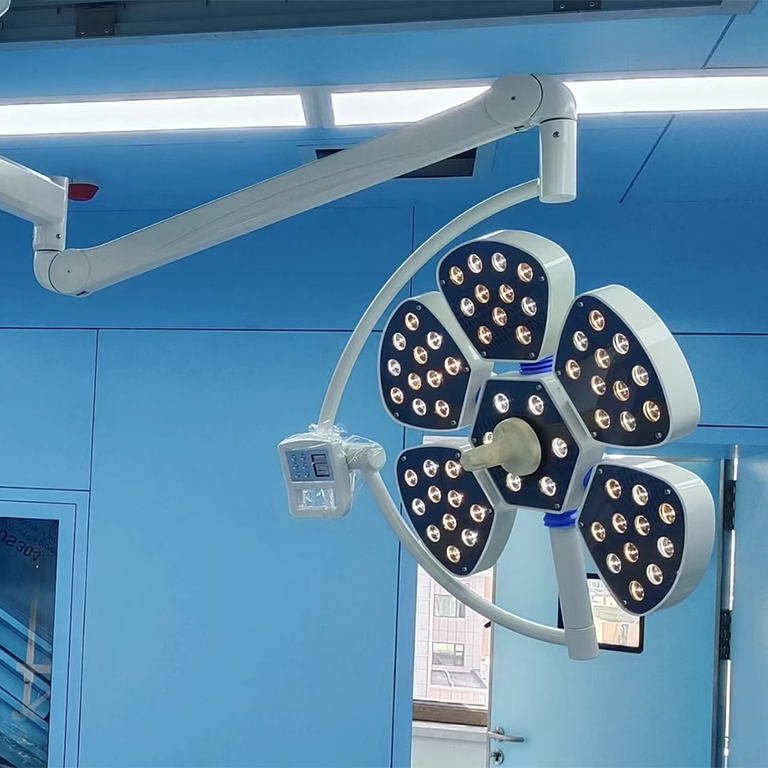
Proper maintenance of shadowless lamps is essential to ensure consistent performance and hygiene compliance in operating rooms.
Maintenance Guidelines
| Task | Frequency |
|---|---|
| Cleaning lamp surface | After every surgical procedure |
| Checking light intensity | Weekly |
| Inspecting joints and arms | Monthly |
| Electrical system check | Quarterly |
Sterile handle covers are also commonly used to maintain hygiene during adjustments in surgery.
Future Trends of Shadowless Lamps
The evolution of surgical lighting continues with the integration of smart technologies.
Emerging Trends
- Smart lighting control systems with touchscreen interfaces
- AI-assisted automatic brightness adjustment
- Integration with surgical imaging systems
- Improved energy-saving LED modules
- Wireless control and remote operation
These innovations aim to further enhance surgical precision and workflow efficiency.
If you need medical equipment or other services, please contact us!
Email: demanmedical@gmail.com
Phone: +86-13188819888
Facebook:https://www.facebook.com/demanmedical/
Instagram: https://www.instagram.com/deman.medical/
YouTube: https://www.youtube.com/@DEMANmedical
Conclusion
Shadowless lamps are an essential component of modern operating rooms, providing the high-quality illumination required for safe and precise surgical procedures. Their ability to eliminate shadows, deliver uniform lighting, and reduce heat exposure makes them indispensable in medical environments.
As surgical techniques continue to advance, the demand for more intelligent, efficient, and reliable lighting systems will only increase. Hospitals and surgical centers that invest in high-quality shadowless lamps benefit from improved surgical outcomes, enhanced safety, and greater operational efficiency.
In short, shadowless lamps are not just lighting equipment—they are a fundamental part of modern surgical success.
FAQ
What are shadowless lamps used for?
Shadowless lamps are used in operating rooms to provide uniform, shadow-free lighting during surgical procedures.
Why are shadowless lamps important in surgery?
They improve visibility, reduce errors, and enhance surgical precision by eliminating shadows in the surgical field.
What is the difference between LED and halogen shadowless lamps?
LED shadowless lamps are more energy-efficient, produce less heat, and last longer compared to halogen lamps.
Can shadowless lamps be adjusted during surgery?
Yes, most modern shadowless lamps come with sterile handles or control panels that allow real-time adjustments.
Are shadowless lamps suitable for all types of surgery?
Yes, they are widely used across multiple surgical disciplines, including general, orthopedic, and cardiovascular surgery.