

Introduction
In modern operating rooms, lighting quality plays a crucial role in ensuring surgical accuracy, efficiency, and patient safety. Surgeons rely on high-performance illumination systems to clearly identify anatomical structures, distinguish tissue colors, and perform delicate procedures with confidence. Among various medical lighting solutions, the surgical shadowless lamp has become an essential component of advanced operating environments.
A surgical shadowless lamp is specifically designed to reduce shadows and provide uniform illumination across the surgical field. Through advanced LED technology, optimized optical systems, and multi-directional light distribution, these lamps help surgeons maintain excellent visibility even when their hands, instruments, or other equipment block part of the light source.
Different surgical specialties have unique lighting requirements. A procedure involving deep anatomical structures may require strong illumination and excellent light penetration, while microsurgery may demand extremely accurate color rendering and precise positioning. Therefore, choosing the appropriate surgical lighting system is essential for achieving optimal clinical performance.
Today, hospitals, surgical centers, and healthcare projects increasingly invest in advanced lighting equipment that can support multiple surgical applications. The surgical shadowless lamp is widely used in general surgery, orthopedic surgery, neurosurgery, cardiovascular surgery, gynecology, ophthalmology, and many other medical fields.
This article explores the applications of the surgical shadowless lamp in different surgeries, explains its technical advantages, and provides guidance for healthcare facilities selecting the right surgical lighting solution.
What Is a Surgical Shadowless Lamp?
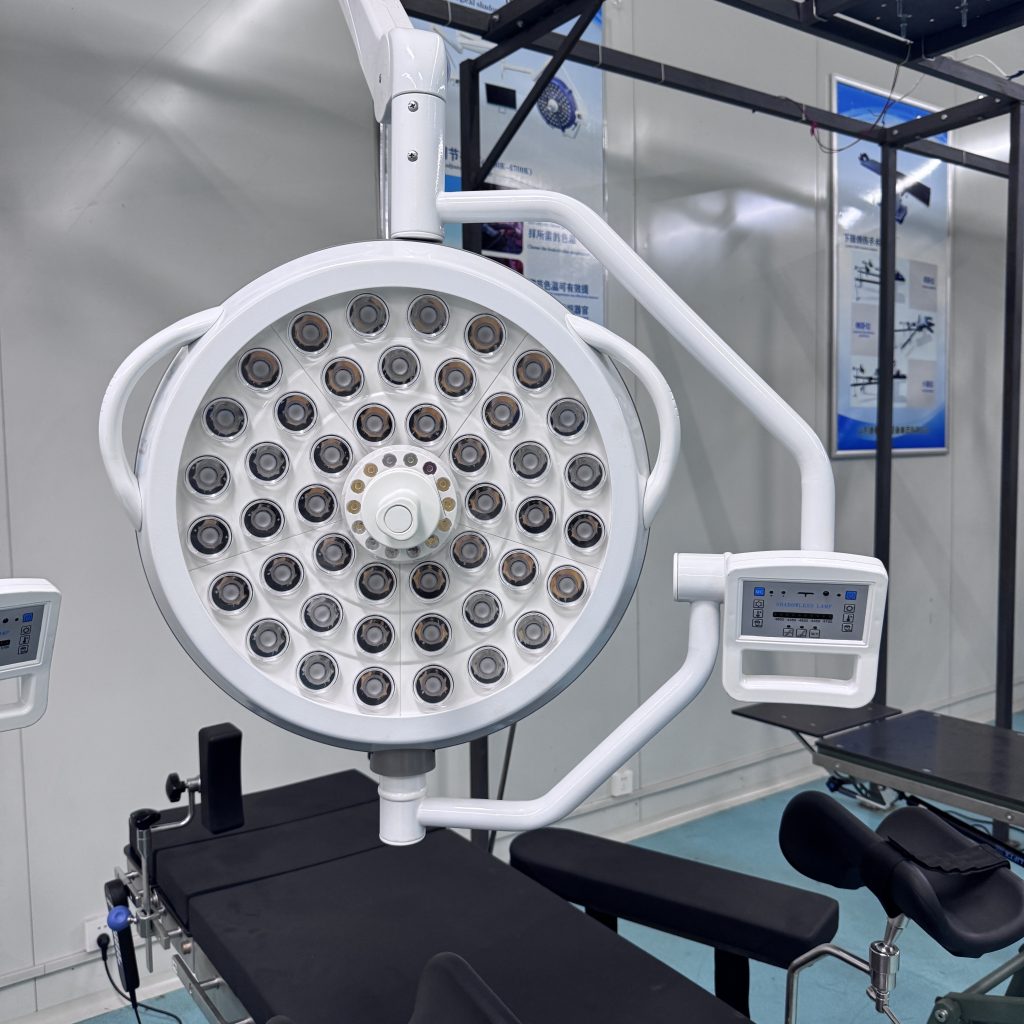
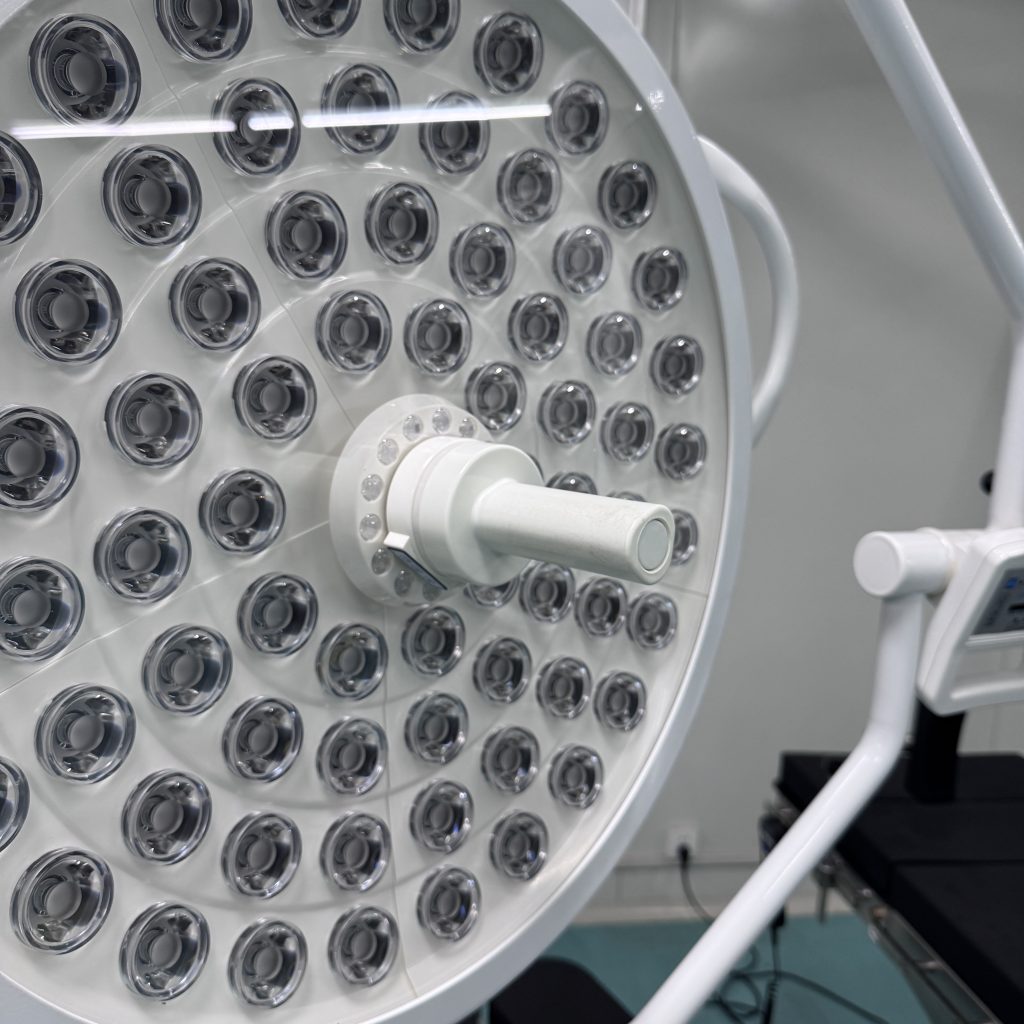
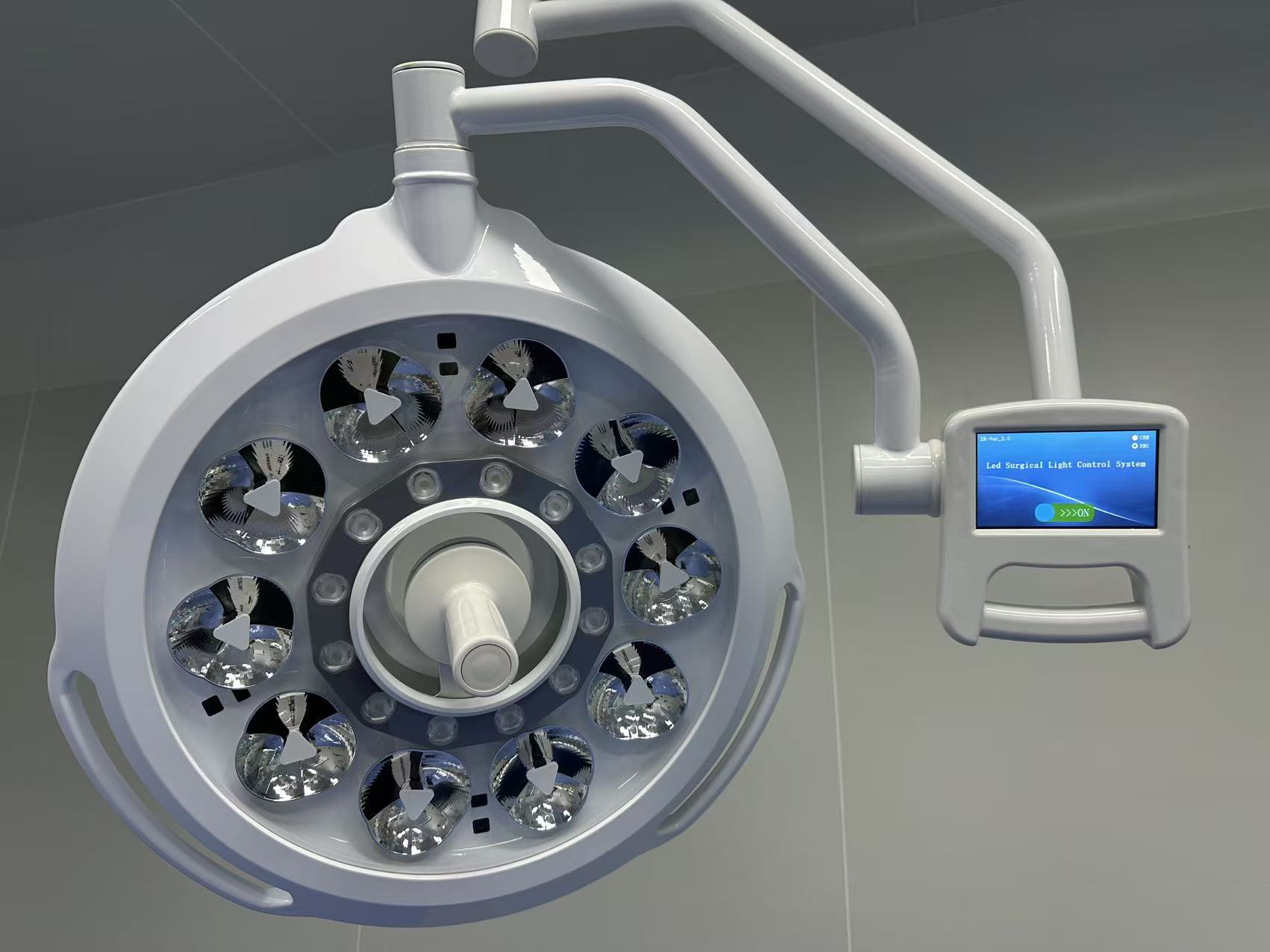
A surgical shadowless lamp is a professional medical lighting device designed to provide high-intensity, uniform, and shadow-reduced illumination during surgical procedures.
The term “shadowless” refers to the lamp’s ability to minimize shadow formation rather than completely eliminate shadows. By using multiple LED light sources and advanced optical designs, the lamp creates overlapping light beams that maintain brightness even when obstacles appear in the surgical area.
Compared with traditional halogen surgical lamps, modern LED-based systems offer:
- Higher energy efficiency
- Lower heat generation
- Longer operating lifespan
- Better color accuracy
- More stable illumination
- Easier maintenance
These advantages make the surgical shadowless lamp an important solution for modern operating rooms.
Main Features of a Surgical Shadowless Lamp
Before understanding its applications, it is important to review the key features that make this equipment suitable for different surgeries.
High Illumination Intensity
Surgical procedures require sufficient brightness to clearly visualize tissues and instruments.
Typical illumination performance:
| Application Level | Recommended Illumination |
|---|---|
| Examination | 30,000–60,000 lux |
| Minor Procedures | 60,000–100,000 lux |
| General Surgery | 100,000–140,000 lux |
| Complex Surgery | 140,000–160,000 lux |
A powerful surgical shadowless lamp provides stable brightness without causing excessive glare.
Excellent Shadow Reduction
During surgery, shadows may appear when surgeons or instruments interrupt the light path.
Advanced shadowless systems reduce this problem through:
- Multiple LED modules
- Optimized reflector design
- Multi-angle illumination
- Intelligent light distribution
This ensures continuous visibility during complex procedures.
Accurate Color Rendering
Color recognition is extremely important in surgery.
A high-quality surgical shadowless lamp usually provides:
- CRI ≥90
- Natural tissue appearance
- Improved blood and vessel identification
- Reduced visual fatigue
CRI Comparison
| CRI Level | Application |
|---|---|
| Below 85 | General lighting |
| 85–90 | Basic medical use |
| 90–95 | Professional surgical applications |
| Above 95 | Advanced precision procedures |
Adjustable Color Temperature
Different procedures may require different lighting environments.
| Color Temperature | Advantage |
|---|---|
| 3500K | Comfortable visual environment |
| 4000K | Natural appearance |
| 4500K | Standard operating room lighting |
| 5000K | Enhanced tissue contrast |
| 5500K | Bright surgical illumination |
Adjustable settings allow surgeons to customize the working environment.
Applications of Surgical Shadowless Lamp in Different Surgeries
Different surgical specialties require different lighting characteristics. The flexibility of modern systems allows the surgical shadowless lamp to support a wide range of procedures.
General Surgery Applications
General surgery is one of the most common applications of surgical lighting systems.
Procedures include:
- Abdominal surgery
- Gastrointestinal surgery
- Hernia repair
- Gallbladder surgery
- Minimally invasive procedures
General surgeons need stable and uniform illumination because many operations involve working inside body cavities.
Lighting Requirements
| Requirement | Importance |
|---|---|
| High brightness | Improves visibility |
| Deep illumination | Supports cavity procedures |
| Shadow reduction | Maintains clear view |
| Flexible positioning | Supports different approaches |
A surgical shadowless lamp helps surgeons maintain consistent visibility throughout long procedures.
Orthopedic Surgery Applications
Orthopedic procedures often involve bones, joints, and deep surgical areas.
Common applications include:
- Joint replacement
- Trauma surgery
- Spinal surgery
- Fracture repair
Orthopedic surgeons require strong illumination and excellent positioning flexibility.
Advantages in Orthopedic Surgery
- Deep light penetration
- Stable brightness
- Reduced shadow interference
- Large surgical field coverage
The surgical shadowless lamp improves visualization during procedures involving complex anatomical structures.
Neurosurgery Applications
Neurosurgery requires exceptional precision because surgeons work near sensitive nerves and brain structures.
Typical procedures include:
- Brain surgery
- Spinal surgery
- Tumor removal
- Microsurgical procedures
Required Lighting Performance
| Feature | Requirement |
|---|---|
| Color accuracy | Extremely high |
| Shadow control | Excellent |
| Position adjustment | Precise |
| Light stability | Continuous |
A reliable surgical shadowless lamp supports neurosurgeons by providing a clear and stable operating environment.
Cardiovascular Surgery Applications
Cardiovascular procedures are often lengthy and require uninterrupted visualization.
Examples include:
- Heart valve surgery
- Coronary artery procedures
- Vascular surgery
Important lighting features include:
- Long-term operational stability
- Low heat generation
- Accurate tissue color recognition
- Comfortable illumination
The surgical shadowless lamp helps medical teams maintain concentration during complex cardiovascular operations.
Gynecology and Obstetrics Applications
Gynecological and obstetric procedures require flexible positioning and focused illumination.
Common procedures:
- Cesarean section
- Hysterectomy
- Pelvic surgery
- Gynecological examinations
Application Benefits
| Benefit | Clinical Value |
|---|---|
| Adjustable positioning | Better surgical access |
| Shadow reduction | Clearer visualization |
| Color accuracy | Improved tissue recognition |
| Stable illumination | Safer procedures |
A suitable surgical shadowless lamp improves working conditions for gynecological surgeons.
Ophthalmology Surgery Applications
Eye surgery requires extremely precise lighting because procedures involve very small anatomical structures.
Important requirements:
- Excellent brightness control
- Minimal glare
- Accurate color reproduction
- Precise positioning
A professional surgical shadowless lamp provides the controlled illumination required for delicate ophthalmic procedures.
ENT Surgery Applications
Ear, nose, and throat procedures often involve narrow surgical areas.
Applications include:
- Ear surgery
- Nasal surgery
- Throat procedures
The lighting system must provide:
- Focused illumination
- Flexible movement
- Reduced shadows
- Comfortable operation
The surgical shadowless lamp helps ENT surgeons achieve better visibility in limited spaces.
Plastic and Reconstructive Surgery Applications
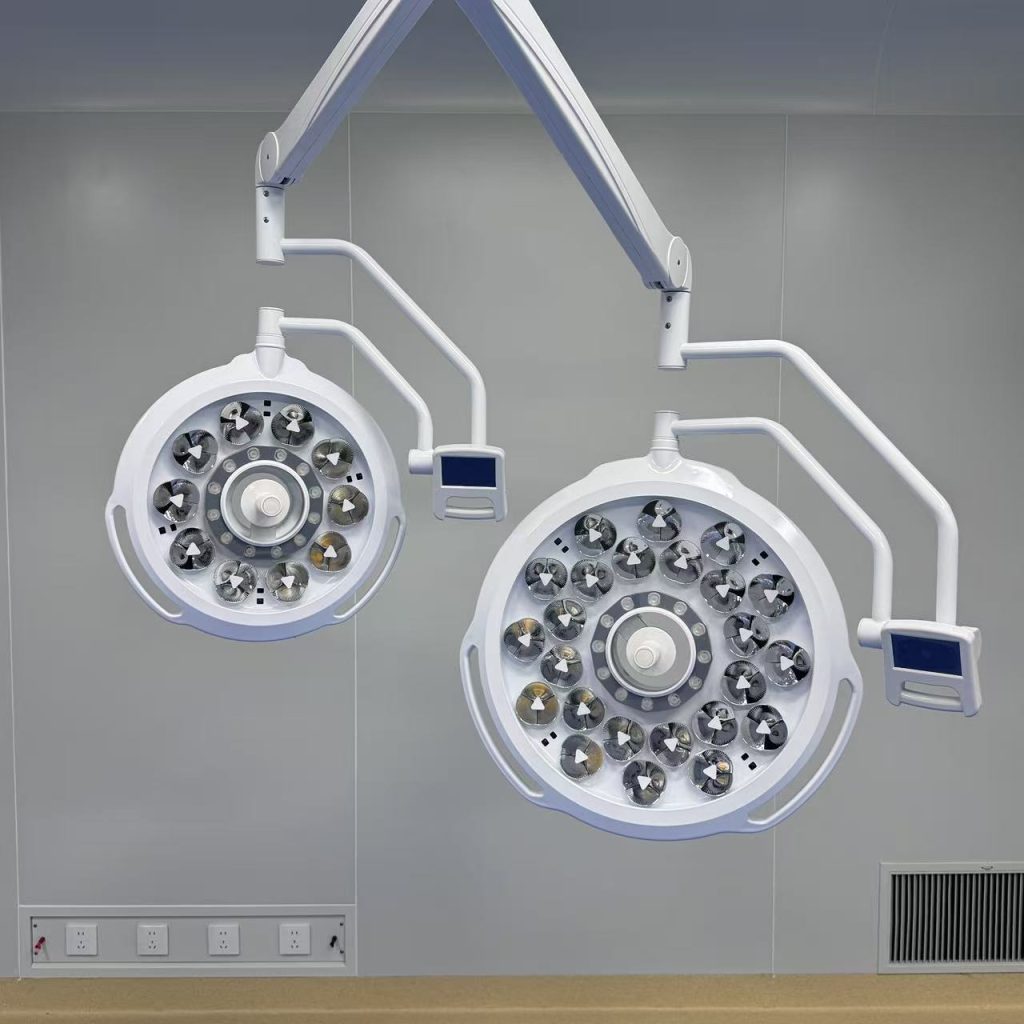
Plastic surgery requires excellent visual detail and accurate color recognition.
Applications include:
- Cosmetic surgery
- Skin reconstruction
- Facial procedures
- Microsurgery
High-quality illumination helps surgeons evaluate:
- Skin color
- Tissue condition
- Surgical details
Surgical Application Comparison Table
| Surgery Type | Main Lighting Requirements |
|---|---|
| General Surgery | Uniform illumination |
| Orthopedics | Deep penetration |
| Neurosurgery | High precision |
| Cardiovascular Surgery | Stable long-duration lighting |
| Gynecology | Flexible positioning |
| Ophthalmology | Controlled brightness |
| ENT Surgery | Focused illumination |
| Plastic Surgery | High color accuracy |
How to Choose the Right Surgical Shadowless Lamp for Hospitals
Healthcare facilities should evaluate several factors before purchasing.
Surgical Requirements
Consider:
- Types of procedures performed
- Operating room size
- Number of surgical rooms
- Future expansion plans
Technical Specifications
Important specifications include:
- Illumination intensity
- CRI value
- Color temperature
- Light field diameter
- Shadow reduction performance
- LED lifespan
Installation Type
Common options include:
| Type | Application |
|---|---|
| Ceiling Mounted | Large operating rooms |
| Mobile Type | Multiple locations |
| Wall Mounted | Small procedure rooms |
Maintenance and Service Recommendations
Proper maintenance ensures long-term performance.
Maintenance Schedule
| Task | Frequency |
|---|---|
| Clean lamp surface | Daily |
| Disinfect handles | After every procedure |
| Check movement system | Monthly |
| Test illumination | Quarterly |
| Professional inspection | Annually |
Regular maintenance reduces equipment failure and extends service life.
Future Development Trends of Surgical Lighting
Medical lighting technology continues to advance.
Future surgical shadowless lamp systems may include:
- AI-based illumination adjustment
- Automatic shadow compensation
- Gesture control
- Voice operation
- Integrated surgical cameras
- Smart operating room connectivity
- Remote monitoring systems
These innovations will make surgical environments safer and more efficient.
If you need medical equipment or other services, please contact us!
Email: demanmedical@gmail.com
Phone: +86-13188819888
Facebook:https://www.facebook.com/demanmedical/
Instagram: https://www.instagram.com/deman.medical/
YouTube: https://www.youtube.com/@DEMANmedical
Conclusion
The surgical shadowless lamp has become an essential medical lighting solution for modern operating rooms. Its ability to provide bright, uniform, and shadow-reduced illumination makes it suitable for a wide range of procedures, including general surgery, orthopedics, neurosurgery, cardiovascular surgery, gynecology, ophthalmology, ENT, and plastic surgery.
When selecting surgical lighting equipment, hospitals should carefully consider illumination performance, color accuracy, shadow reduction capability, flexibility, installation requirements, and manufacturer reliability.
A high-quality surgical shadowless lamp not only improves surgical visibility but also supports better workflow efficiency, reduces surgeon fatigue, and enhances patient safety. As medical technology continues to develop, advanced surgical lighting systems will remain a fundamental part of future healthcare facilities.
FAQ
What is a surgical shadowless lamp?
A surgical shadowless lamp is a medical lighting system designed to provide strong, uniform illumination while reducing shadows during surgical procedures.
Why is shadow reduction important in surgery?
Shadow reduction allows surgeons to maintain clear visibility when their hands or instruments block part of the light source.
Which surgeries use a surgical shadowless lamp?
It is widely used in general surgery, orthopedic surgery, neurosurgery, cardiovascular surgery, gynecology, ophthalmology, ENT, and plastic surgery.
What are the advantages of LED surgical shadowless lamps?
LED systems provide high brightness, low heat generation, long lifespan, energy efficiency, and excellent color rendering.
How often should surgical lighting equipment be maintained?
Daily cleaning and regular inspections are recommended, with professional maintenance usually performed annually.