

Introduction
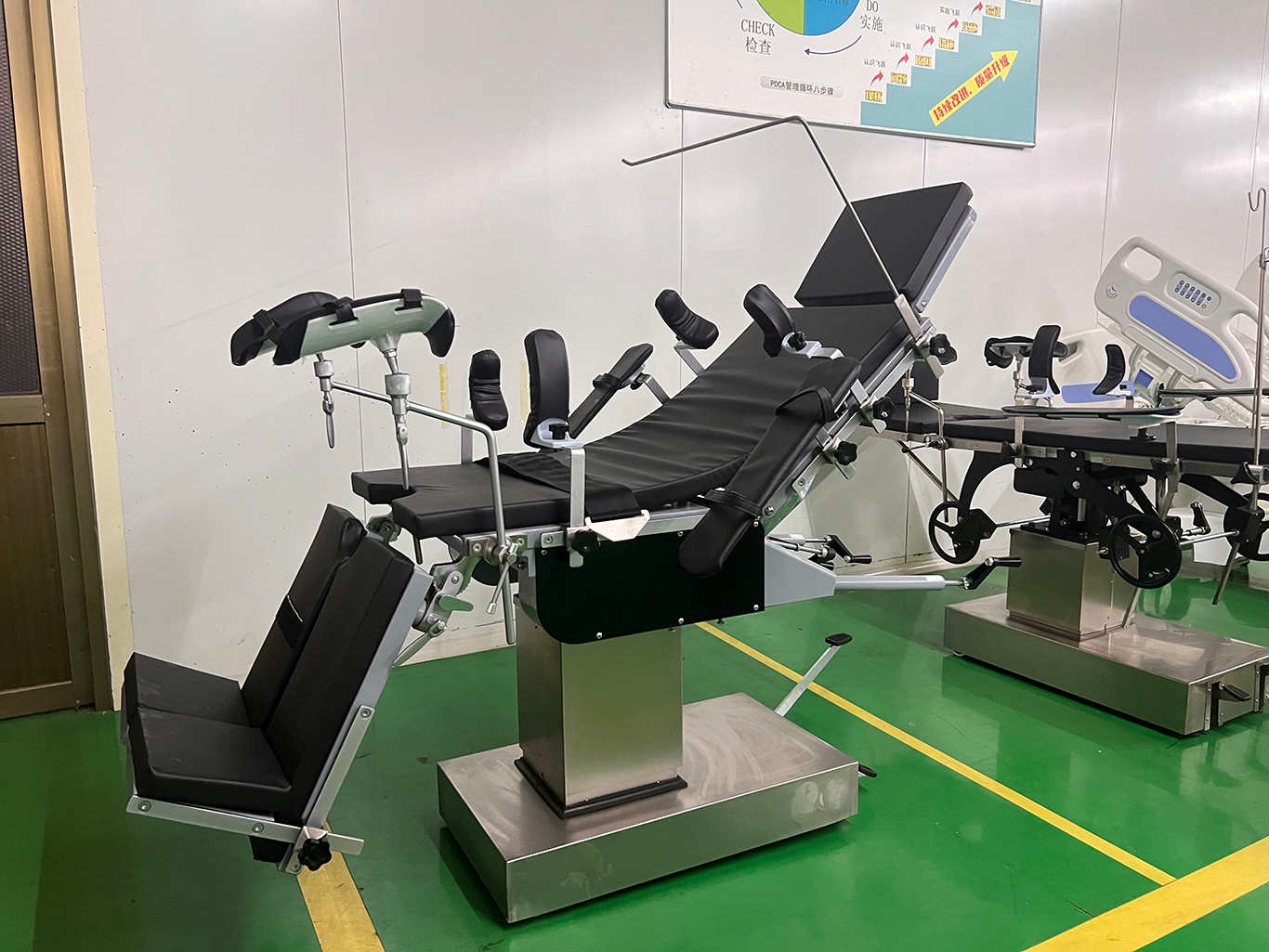
Choosing the right surgical operating table is a critical decision for any healthcare facility. Whether it is a large hospital, a specialized surgical center, or a small clinic, the operating table plays a central role in ensuring surgical precision, patient safety, and procedural efficiency. Unlike many other medical devices, the surgical table directly affects surgeon ergonomics, patient positioning, imaging compatibility, and overall workflow in the operating room.
A modern surgical operating table must support a wide range of surgical disciplines, from general surgery to highly specialized procedures such as neurosurgery, orthopedics, and cardiovascular surgery. It must also integrate seamlessly with imaging systems like C-arms and provide flexibility for different patient positions.
This buying guide will walk you through everything healthcare facilities need to consider before investing in a surgical operating table, including types, technical specifications, key features, comparison tables, maintenance considerations, and future trends.
Why the Surgical Operating Table Matters in Modern Healthcare
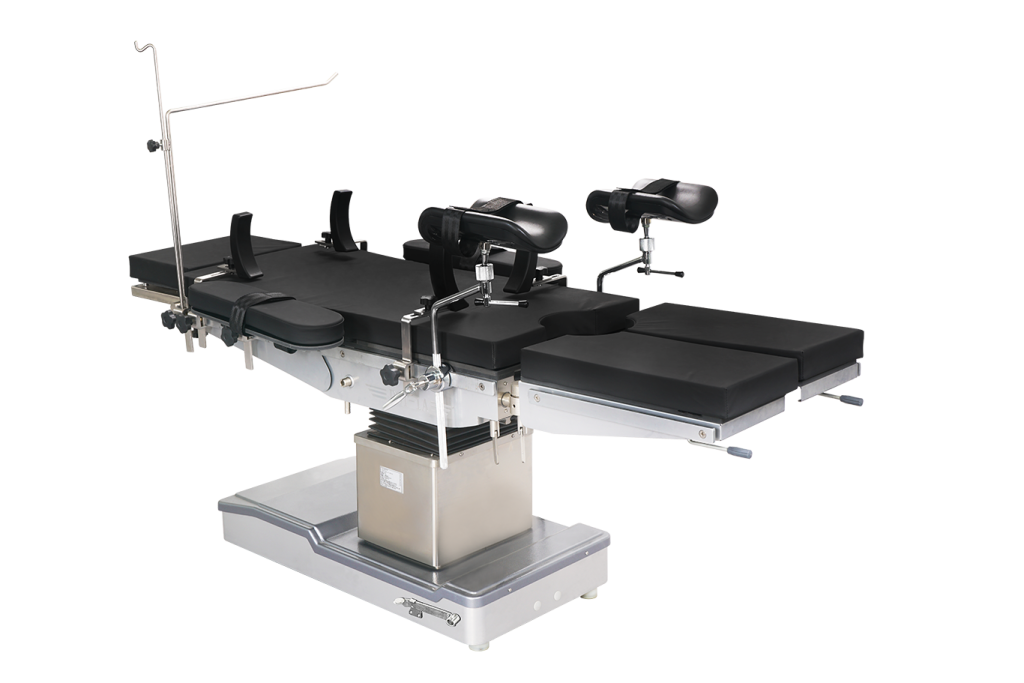
The operating table is more than just a platform for patients—it is a foundational component of surgical success. A poorly designed table can limit surgical access, increase procedure time, and reduce safety.
Key Roles of a Surgical Table
- Provides stable patient positioning
- Enables multi-angle surgical access
- Supports anesthesia and monitoring equipment
- Enhances surgeon ergonomics
- Improves imaging compatibility
Impact on Surgical Outcomes
| Factor | Impact on Surgery |
|---|---|
| Stability | Reduces surgical errors |
| Flexibility | Improves access to surgical site |
| Positioning Accuracy | Enhances procedural precision |
| Load Capacity | Supports diverse patient types |
| Mobility | Improves OR workflow efficiency |
A high-quality surgical operating table is therefore essential for optimizing both clinical outcomes and operational efficiency.
Types of Surgical Operating Tables
Healthcare facilities can choose from several types of surgical tables depending on clinical needs and budget.
Electric Hydraulic Surgical Tables
These are the most commonly used modern operating tables.
Features
- Electrically controlled movements
- Smooth hydraulic positioning
- Multi-functional adjustments
- Remote control operation
Advantages
- High precision movement
- Easy to operate
- Suitable for complex surgeries
Manual Surgical Tables
Manual tables are operated using mechanical cranks and levers.
Features
- No electrical components
- Basic positioning functions
- Lower cost
Advantages
- Reliable in low-resource settings
- Minimal maintenance
- Long service life
Electro-Mechanical Hybrid Tables
These tables combine electric and manual systems.
Features
- Electric height adjustment
- Manual backup controls
- Balanced cost-performance ratio
Specialized Surgical Tables
Designed for specific procedures:
- Orthopedic tables
- Neurosurgery tables
- Obstetric tables
- Imaging-compatible tables
Comparison Table of Table Types
| Type | Control Method | Flexibility | Cost Level | Ideal Usage |
|---|---|---|---|---|
| Electric Hydraulic | Fully electric | Very high | High | Advanced hospitals |
| Manual | Mechanical | Low | Low | Small clinics |
| Hybrid | Mixed | Medium | Medium | General hospitals |
| Specialized | Depends | Very high | High | Specialty centers |
Key Features to Consider Before Buying
When selecting a surgical operating table, healthcare facilities should evaluate technical specifications carefully.
Load Capacity
Load capacity determines the maximum patient weight the table can safely support.
| Table Type | Load Capacity |
|---|---|
| Standard Table | 200–250 kg |
| Reinforced Table | 300–350 kg |
| Bariatric Table | 400–500 kg |
Height Adjustment Range
Adjustable height ensures ergonomic positioning for surgeons.
| Feature | Recommended Range |
|---|---|
| Minimum Height | 500–700 mm |
| Maximum Height | 900–1100 mm |
Tabletop Adjustments
Modern surgical tables allow multiple positioning options:
- Trendelenburg / Reverse Trendelenburg
- Lateral tilt
- Backrest adjustment
- Leg section control
Imaging Compatibility (C-Arm Access)
A major requirement in modern operating rooms is compatibility with imaging systems.
| Feature | Importance |
|---|---|
| Carbon Fiber Tabletop | High |
| Sliding Function | High |
| Open Base Design | Essential |
| Radiolucency | Critical |
Material and Build Quality
High-quality materials improve durability and hygiene.
| Material | Benefit |
|---|---|
| Stainless Steel | Corrosion resistance |
| Carbon Fiber | Imaging compatibility |
| Medical-grade PU | Comfort and hygiene |
Surgical Operating Table Positioning Functions
Proper positioning is essential for different surgical specialties.
Common Positions Supported
| Position | Application |
|---|---|
| Supine | General surgery |
| Prone | Spine surgery |
| Lithotomy | Gynecology & urology |
| Lateral | Thoracic surgery |
| Trendelenburg | Lower abdominal surgery |
A modern surgical operating table must support all major positioning requirements.
Technical Specifications Overview
Below is a general reference table for modern operating tables.
Standard Technical Parameters
| Parameter | Typical Range |
|---|---|
| Table Length | 1900–2200 mm |
| Table Width | 500–600 mm |
| Height Adjustment | 500–1100 mm |
| Tilt Angle (L/R) | ±20° |
| Trendelenburg | ±25°–30° |
| Back Section | ±70° |
| Leg Section | Adjustable / Split |
Surgical Table Comparison by Application
Different specialties require different table configurations.
Application-Based Comparison
| Surgical Field | Required Features |
|---|---|
| General Surgery | Multi-position flexibility |
| Orthopedics | High load capacity, traction compatibility |
| Neurosurgery | Precision adjustment, stability |
| Gynecology | Lithotomy support |
| Cardiovascular | Imaging compatibility |
Electric Surgical Operating Table Advantages
Electric systems are increasingly replacing manual tables due to improved functionality.
Benefits
- Precise positioning control
- Reduced staff workload
- Faster adjustments
- Better surgical efficiency
- Enhanced patient safety
Feature Comparison
| Feature | Manual Table | Electric Table |
|---|---|---|
| Positioning Speed | Slow | Fast |
| Precision | Medium | High |
| Ease of Use | Moderate | Excellent |
| Maintenance | Low | Medium |
| Cost | Low | High |
Installation Requirements for Surgical Operating Tables
Proper installation ensures safe and efficient operation.
Key Requirements
- Stable operating room flooring
- Electrical supply compatibility
- Space for accessories and imaging equipment
- Proper grounding system
- Integration with anesthesia and monitoring devices
Operating Room Layout Considerations
| Factor | Recommendation |
|---|---|
| Room Size | ≥30 m² |
| Equipment Clearance | ≥1 meter around table |
| C-Arm Access | Fully accessible |
| Power Backup | Essential |
Maintenance and Long-Term Performance
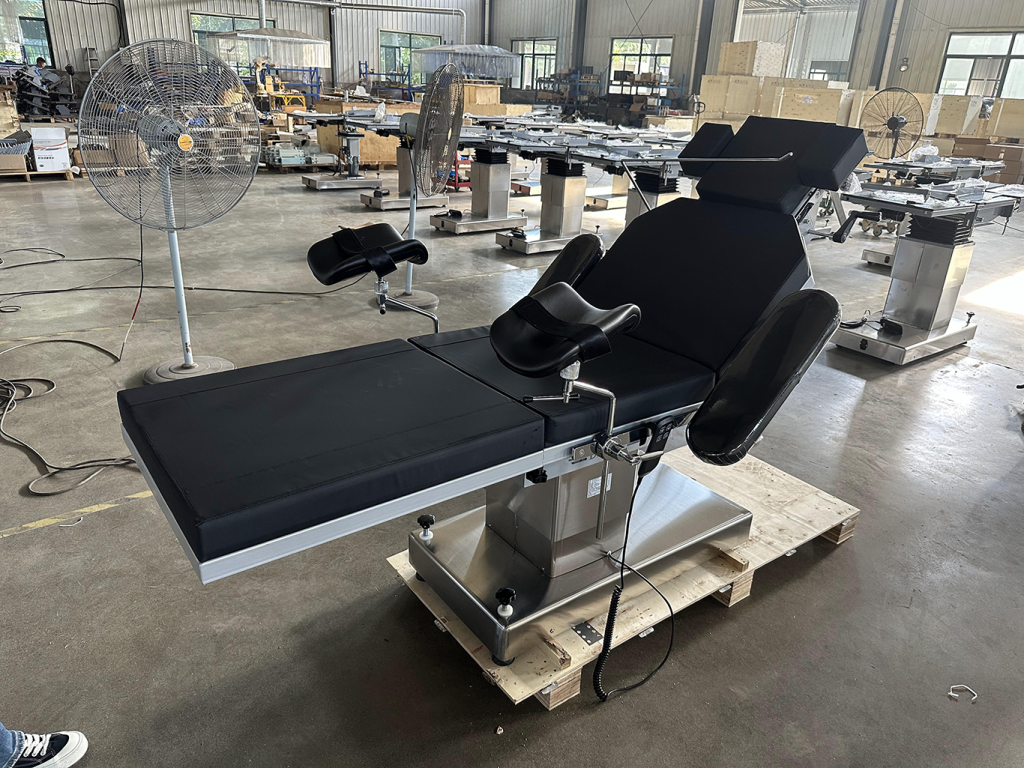
Regular maintenance extends the lifespan of a surgical operating table.
Maintenance Checklist
- Hydraulic system inspection
- Electrical system testing
- Surface cleaning and sterilization
- Joint lubrication
- Control system calibration
Expected Lifespan
| Component | Lifespan |
|---|---|
| Frame Structure | 10–15 years |
| Hydraulic System | 8–12 years |
| Electrical System | 5–10 years |
| Mattress | 3–5 years |
Cost Considerations
The total cost of ownership includes more than just purchase price.
Cost Breakdown
| Cost Type | Description |
|---|---|
| Initial Purchase | Table unit cost |
| Installation | Setup and calibration |
| Maintenance | Annual servicing |
| Accessories | Attachments and upgrades |
| Energy Cost | Electric models only |
Future Trends in Surgical Operating Tables
The evolution of surgical tables continues to align with modern surgical innovation.
Smart Operating Tables
Future systems will include:
- Automated positioning based on surgery type
- Memory positioning presets
- AI-assisted adjustments
Integration with Digital OR Systems
Modern surgical operating table systems will connect with:
- Surgical navigation systems
- Imaging platforms
- Hospital information systems
Improved Ergonomics
Future designs will further reduce surgeon fatigue and improve workflow efficiency.
If you need medical equipment or other services, please contact us!
Email: demanmedical@gmail.com
Phone: +86-13188819888
Facebook:https://www.facebook.com/demanmedical/
Instagram: https://www.instagram.com/deman.medical/
YouTube: https://www.youtube.com/@DEMANmedical
Conclusion
Selecting the right surgical operating table is a long-term investment that directly impacts surgical efficiency, patient safety, and overall hospital performance. From load capacity and positioning flexibility to imaging compatibility and material quality, every factor must be carefully evaluated before making a purchase.
Modern electric and hybrid systems offer significant advantages over traditional manual tables, especially in advanced surgical environments. As healthcare technology continues to evolve, intelligent and integrated operating tables will become standard in operating rooms worldwide.
A well-chosen surgical operating table not only improves surgical outcomes but also enhances workflow efficiency and supports the long-term growth of healthcare facilities.
FAQ
What is a surgical operating table?
A surgical operating table is a medical device used to support and position patients during surgical procedures.
What are the main types of surgical tables?
The main types include electric hydraulic tables, manual tables, hybrid tables, and specialized surgical tables.
Why is load capacity important?
Load capacity ensures the table can safely support patients of different sizes during surgery.
What is the advantage of electric surgical tables?
They provide precise positioning, improved efficiency, and reduced physical effort for medical staff.
Are surgical tables compatible with imaging systems?
Yes, many modern tables are designed with carbon fiber tops and sliding functions for C-arm compatibility.