

Introduction
Modern operating rooms rely on advanced medical technologies to ensure patient safety, improve surgical precision, and enhance workflow efficiency. Among the most essential pieces of equipment is the surgical light led system, which provides bright, shadow-free illumination throughout every stage of a procedure. From general surgery and orthopedics to neurosurgery and minimally invasive operations, surgeons depend on reliable lighting to clearly visualize tissues, blood vessels, and anatomical structures.
Compared with traditional halogen lighting, a surgical light led offers superior illumination, lower heat emission, higher energy efficiency, longer service life, and significantly reduced maintenance requirements. However, even the most advanced LED surgical lighting system requires proper installation and regular maintenance to achieve optimal performance and maximize its lifespan.
Incorrect installation can lead to unstable positioning, uneven illumination, limited arm movement, or even safety hazards. Likewise, neglecting routine maintenance may reduce brightness, shorten LED lifespan, increase repair costs, and compromise operating room efficiency.
This comprehensive guide explains everything healthcare facilities need to know about installing and maintaining a surgical light led system. Whether you are building a new operating suite, upgrading an existing hospital, or purchasing equipment for an outpatient surgical center, this article provides practical recommendations to help ensure reliable performance for years to come.
What Is a Surgical Light LED?
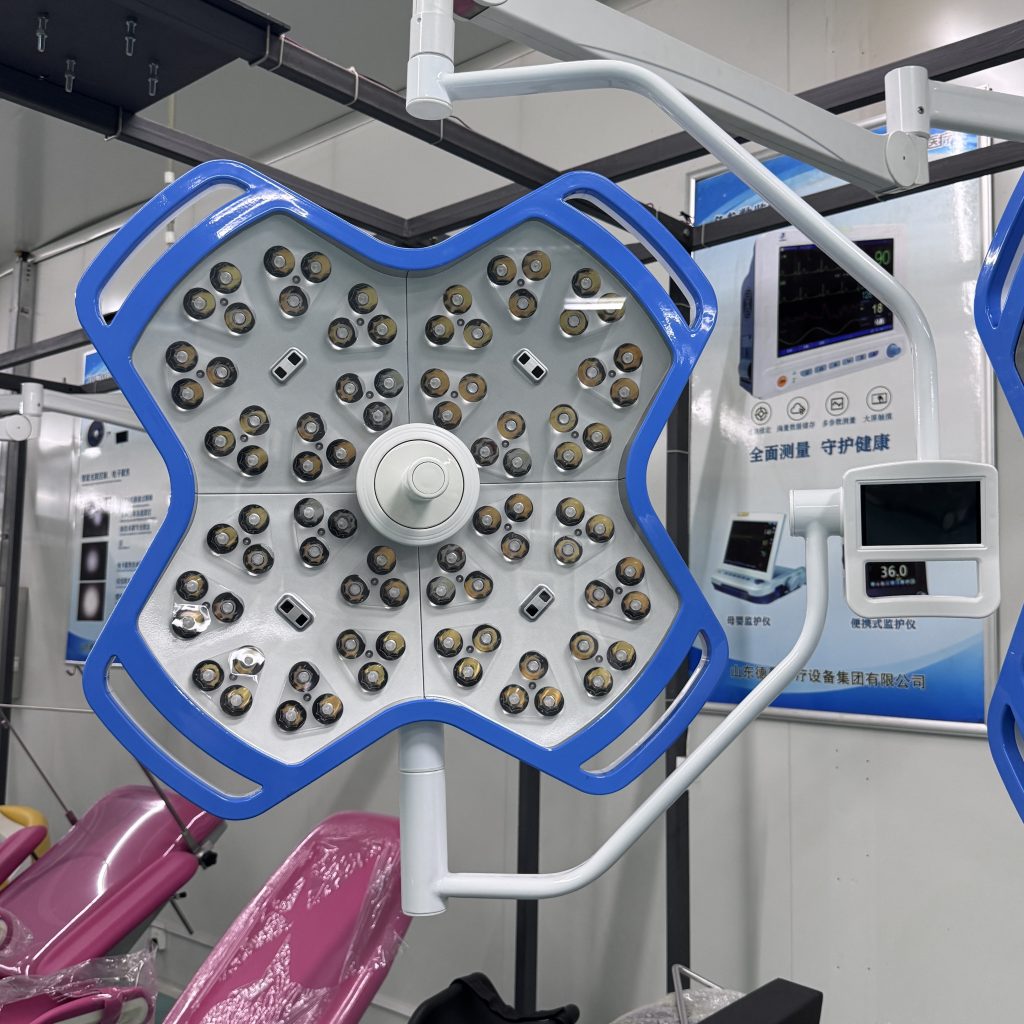
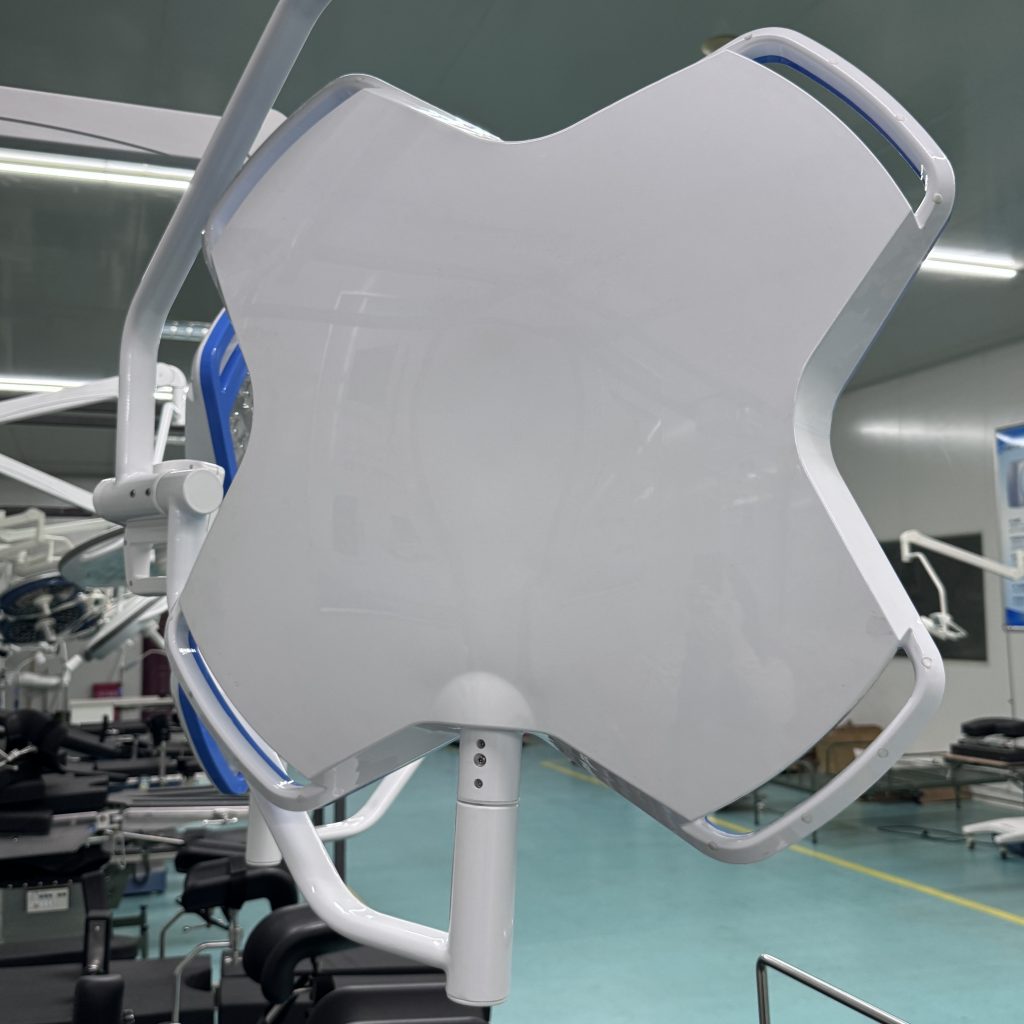
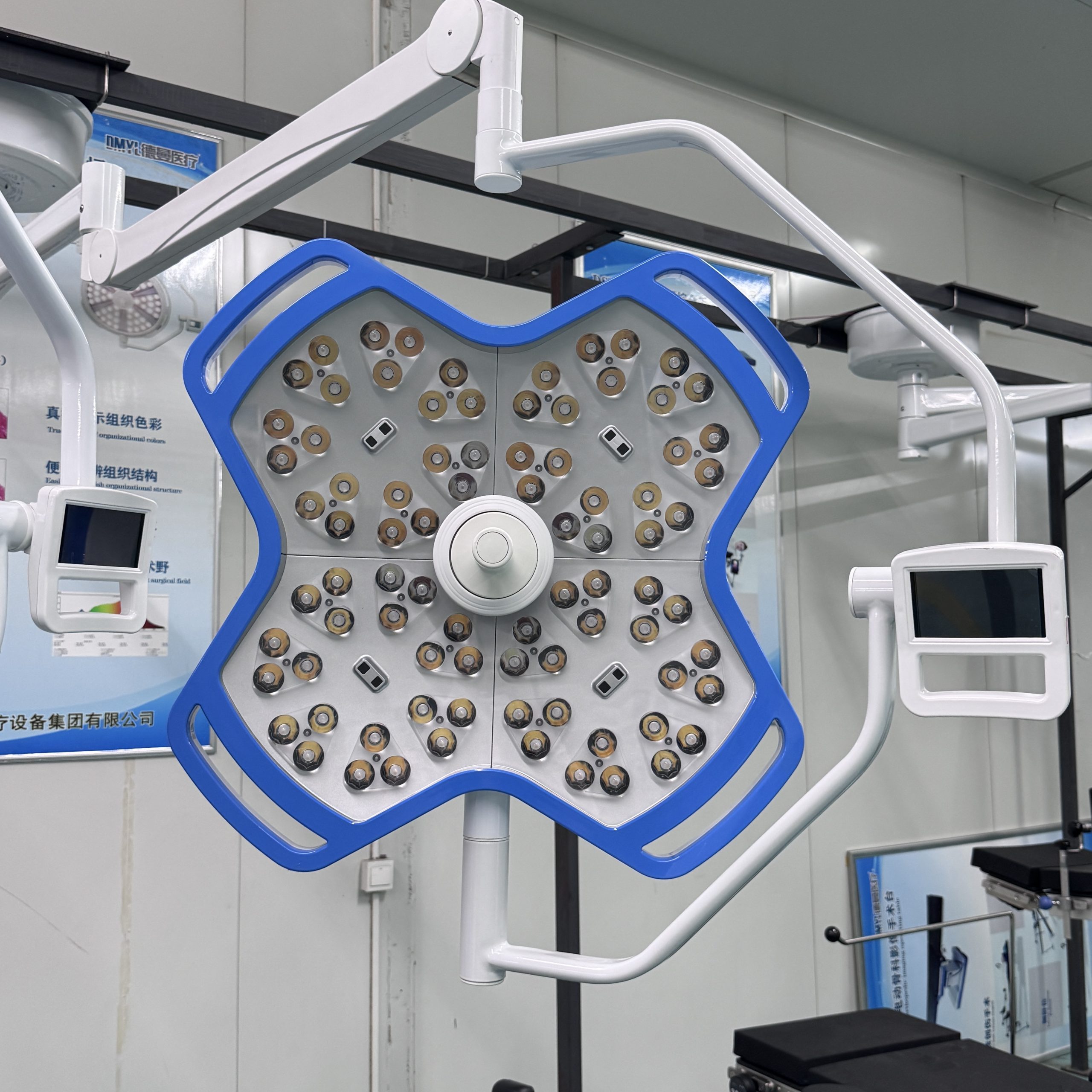
A surgical light led is a specialized medical lighting system that uses high-performance light-emitting diodes (LEDs) to provide intense, uniform, and shadow-reduced illumination during surgical procedures. These systems are designed to maintain consistent brightness while generating minimal heat, making them the preferred choice for modern hospitals and surgical centers.
Unlike conventional halogen lights, LED technology offers greater durability, lower energy consumption, and more accurate color rendering, allowing surgeons to perform delicate procedures with improved confidence.
Main Components of a Surgical Light LED
| Component | Function |
|---|---|
| LED Light Head | Produces high-intensity surgical illumination |
| Optical Lens System | Distributes light evenly across the surgical field |
| Ceiling Suspension Arm | Enables flexible positioning |
| Spring Balance Mechanism | Maintains stable movement |
| Sterile Handle | Allows adjustment during surgery |
| Digital Control Panel | Controls brightness and color temperature |
| Heat Dissipation Module | Prevents overheating and protects LEDs |
| Power Supply Unit | Provides stable electrical power |
Each component plays an essential role in delivering reliable lighting performance.
Why Proper Installation Matters
Installing a surgical light led correctly is critical to ensuring safe operation, optimal illumination, and long-term reliability.
Proper installation provides several benefits:
- Stable positioning throughout procedures
- Full arm movement without obstruction
- Uniform light coverage
- Improved operating room workflow
- Reduced maintenance requirements
- Enhanced equipment lifespan
- Increased patient safety
Poor installation, on the other hand, can result in vibration, limited maneuverability, uneven lighting, and premature component wear.
Pre-Installation Planning
Before installing a surgical light led, hospitals should evaluate the operating room environment and infrastructure.
Factors to Assess
- Ceiling load-bearing capacity
- Ceiling height
- Operating table location
- Airflow system compatibility
- Existing medical equipment layout
- Electrical infrastructure
- Backup power availability
- Future operating room expansion
Proper planning minimizes installation delays and ensures optimal system performance.
Pre-Installation Checklist
| Item | Requirement |
|---|---|
| Ceiling strength | Meets manufacturer specifications |
| Power supply | Stable medical-grade electrical circuit |
| Ceiling height | Suitable for arm movement |
| Backup power | Connected to emergency system |
| Installation space | Free from obstructions |
| Environmental conditions | Clean and dry operating room |
Installation Process of a Surgical Light LED
Professional installation should always be performed by trained technicians following the manufacturer’s instructions.
Step 1: Ceiling Mount Preparation
The mounting plate is securely fixed to the reinforced ceiling structure.
Proper anchoring prevents movement and vibration during use.
Step 2: Suspension Arm Installation
The articulated arm is attached to the ceiling mount.
Technicians verify:
- Smooth movement
- Proper balancing
- Full rotation
- Stable positioning
Step 3: Light Head Assembly
The LED light head is mounted onto the suspension arm.
Connections between the power supply and lighting module are carefully secured.
Step 4: Electrical Connection
The electrical system is connected according to medical safety standards.
Testing includes:
- Voltage stability
- Grounding verification
- Emergency power compatibility
Step 5: System Calibration
After installation, the surgical light led is calibrated.
Calibration includes:
- Brightness adjustment
- Color temperature settings
- Focus alignment
- Shadow compensation verification
- Arm balancing
Key Installation Considerations
Proper positioning is essential for maximizing lighting performance.
Recommended Installation Guidelines
| Installation Factor | Recommendation |
|---|---|
| Distance from operating table | According to manufacturer specifications |
| Rotation angle | 360° movement |
| Vertical adjustment | Full working range |
| Arm clearance | No obstruction |
| Ceiling reinforcement | Required |
| Electrical protection | Medical-grade circuit |
These recommendations ensure the surgical light led performs reliably during every procedure.
Essential Performance Features to Verify
Following installation, healthcare facilities should inspect several performance characteristics.
Illumination Intensity
Most premium surgical light led systems provide adjustable illumination between 120,000 and 160,000 lux.
Color Temperature
Adjustable settings allow surgeons to customize lighting.
| Color Temperature | Clinical Application |
|---|---|
| 3500 K | Reduced eye fatigue |
| 4000 K | Natural tissue appearance |
| 4500 K | Standard surgery |
| 5000 K | Enhanced contrast |
| 5500 K | Maximum brightness |
Color Rendering Index (CRI)
High-quality systems typically provide:
- CRI ≥90
- Premium models CRI ≥95
This ensures accurate tissue color recognition.
Shadow Compensation
Advanced optical systems maintain illumination even when surgeons’ hands or instruments block part of the light.
Routine Maintenance of a Surgical Light LED
Regular maintenance protects both equipment performance and patient safety.
Daily Maintenance
Daily cleaning helps maintain optical performance.
Tasks include:
- Wipe lamp housing
- Clean optical lens
- Disinfect sterile handles
- Check visible damage
Weekly Maintenance
Inspect:
- Arm movement
- Rotation smoothness
- Locking mechanisms
- Brightness consistency
Monthly Maintenance
Verify:
- Electrical connections
- Control panel operation
- Illumination levels
- Fan or cooling system (if equipped)
Annual Maintenance
Professional technicians should perform:
- Full electrical inspection
- LED module evaluation
- Suspension arm adjustment
- Mechanical lubrication
- Safety certification testing
Maintenance Schedule
| Maintenance Task | Frequency |
|---|---|
| Clean lamp surface | Daily |
| Sterilize handles | After every procedure |
| Inspect arm movement | Weekly |
| Check brightness | Monthly |
| Electrical inspection | Quarterly |
| Comprehensive servicing | Annually |
Common Installation and Maintenance Problems
Even high-quality systems may experience issues over time.
| Problem | Possible Cause | Recommended Solution |
|---|---|---|
| Reduced brightness | Dirty lenses or aging LEDs | Clean lenses or replace LED module |
| Arm drift | Improper balancing | Recalibrate suspension arm |
| Flickering light | Electrical instability | Inspect power supply |
| Limited movement | Loose mechanical components | Tighten and lubricate joints |
| Uneven illumination | Optical misalignment | Recalibrate optical system |
Preventive maintenance helps avoid unexpected downtime.
Tips to Extend the Lifespan of a Surgical Light LED
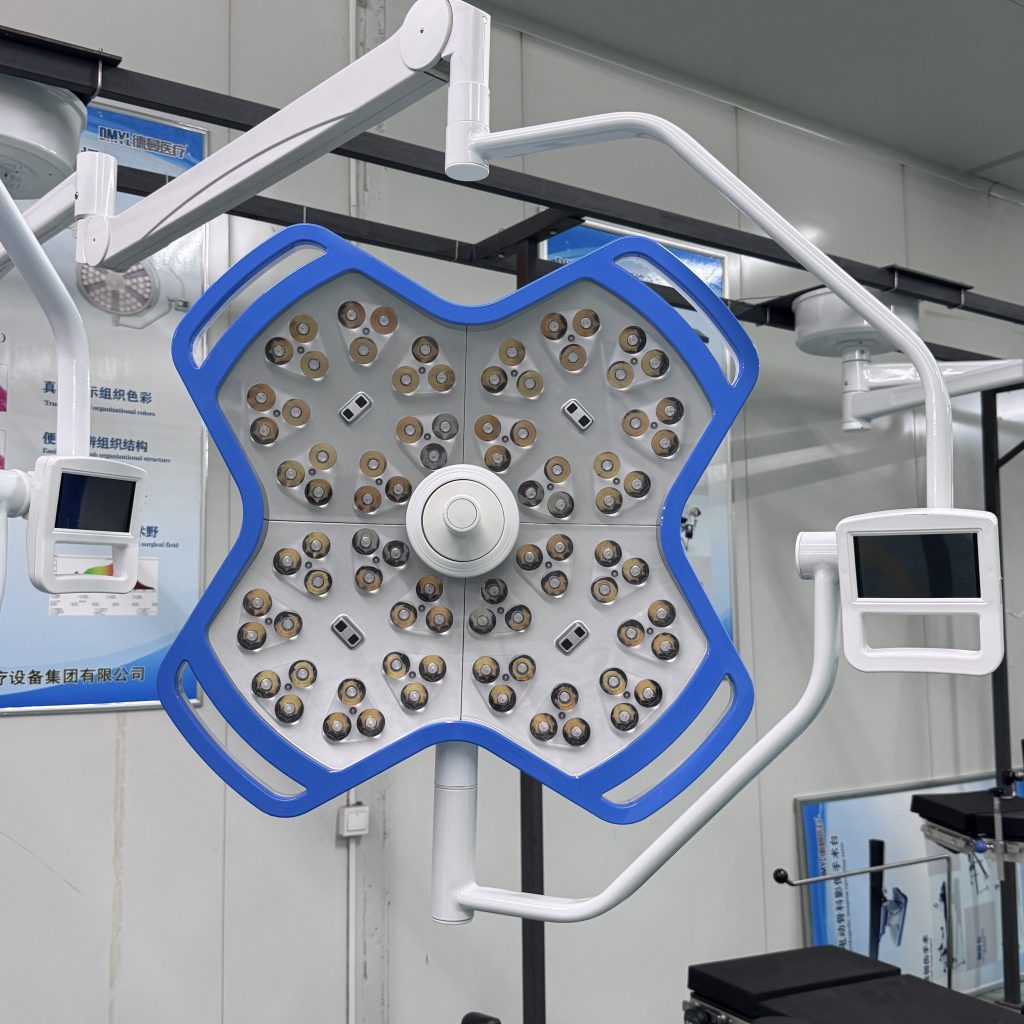
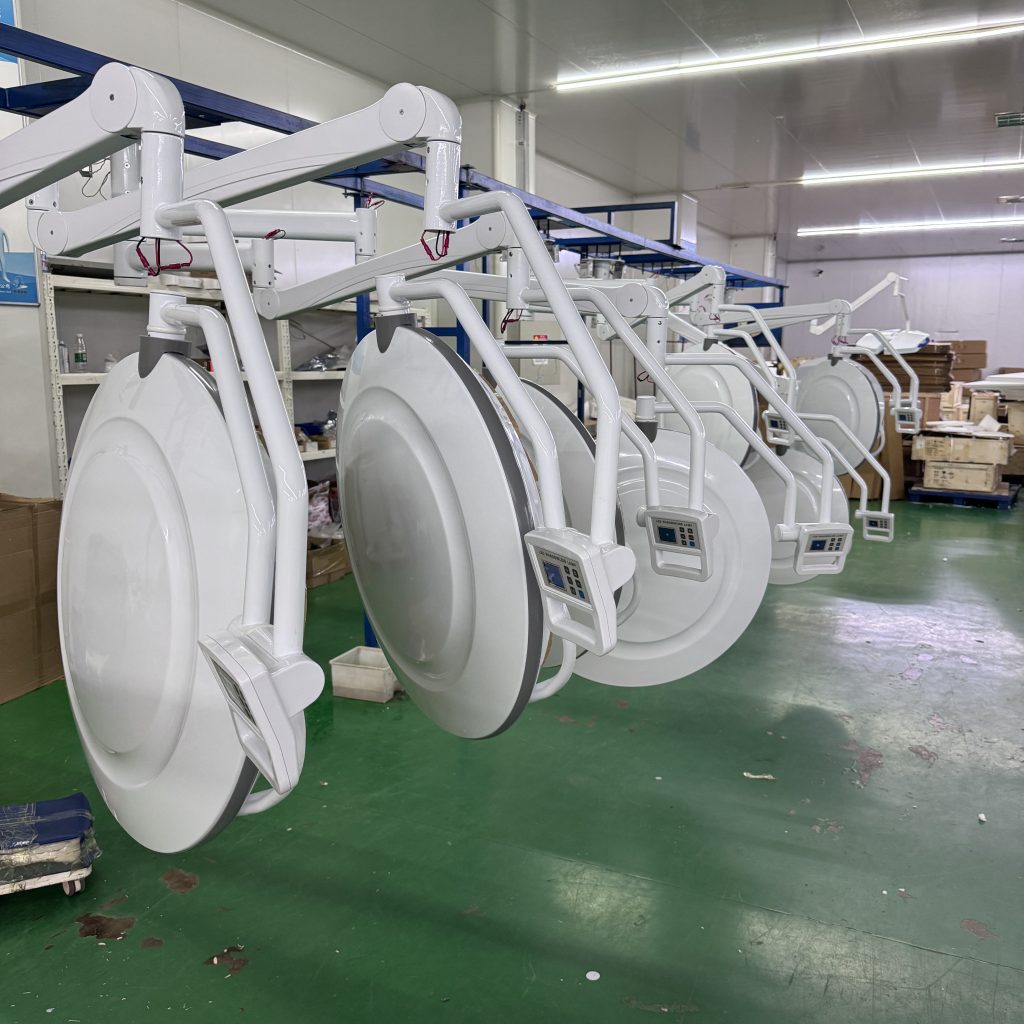
Proper usage significantly increases equipment longevity.
Recommended practices include:
- Follow manufacturer maintenance schedules
- Avoid excessive mechanical force
- Clean optical components regularly
- Use approved disinfectants only
- Verify electrical stability
- Schedule annual preventive maintenance
- Replace worn parts promptly
- Train staff on proper operation
Following these recommendations helps maximize the service life of a surgical light led.
Choosing the Right Surgical Light LED Supplier
Selecting a reliable manufacturer is just as important as selecting the product itself.
Healthcare facilities should evaluate suppliers based on:
- ISO 13485 certification
- CE certification
- FDA registration (if applicable)
- Manufacturing experience
- Research and development capability
- OEM and ODM services
- Warranty coverage
- Spare parts availability
- Global export experience
- Technical training
- After-sales support
A trusted supplier ensures long-term reliability and responsive service.
Future Trends in Surgical Light LED Technology
LED surgical lighting continues to evolve rapidly.
Emerging innovations include:
- Artificial intelligence brightness adjustment
- Automatic shadow compensation
- Touchless gesture control
- Voice-controlled operation
- Integrated 4K surgical cameras
- Wireless system diagnostics
- IoT-enabled predictive maintenance
- Smart operating room integration
- Adaptive lighting based on surgical procedures
These technologies will further improve the performance and efficiency of future surgical light led systems.
If you need medical equipment or other services, please contact us!
Email: demanmedical@gmail.com
Phone: +86-13188819888
Facebook:https://www.facebook.com/demanmedical/
Instagram: https://www.instagram.com/deman.medical/
YouTube: https://www.youtube.com/@DEMANmedical
Conclusion
A surgical light led is one of the most valuable investments for any modern operating room, providing the bright, stable, and shadow-free illumination required for safe and precise surgical procedures. However, achieving optimal performance depends not only on selecting a high-quality system but also on ensuring proper installation and consistent maintenance.
Healthcare facilities should carefully plan the installation process, verify critical performance parameters, and establish a preventive maintenance schedule to maximize equipment reliability and lifespan. Regular inspections, proper cleaning, timely servicing, and collaboration with experienced manufacturers all contribute to reducing downtime and maintaining excellent surgical lighting conditions.
As hospitals continue to adopt digital operating rooms and intelligent medical technologies, the role of the surgical light led will become even more significant. Investing in advanced LED lighting and maintaining it correctly will support better clinical outcomes, improve operational efficiency, and deliver long-term value for healthcare providers.
FAQ
What is a surgical light led?
A surgical light led is a medical lighting system that uses LED technology to provide bright, uniform, and shadow-reduced illumination during surgical procedures.
Why is proper installation important?
Correct installation ensures stable positioning, optimal illumination, safe electrical operation, full arm movement, and long-term equipment reliability.
How often should a surgical light led be maintained?
Basic cleaning should be performed daily, routine inspections weekly and monthly, and comprehensive preventive maintenance should be completed annually by qualified technicians.
How long does a surgical light led typically last?
Most high-quality LED systems have an expected service life of 50,000 to 100,000 hours, depending on usage and maintenance.
What certifications should I look for when purchasing a surgical light led?
Choose products manufactured under ISO 13485 quality management systems and certified with CE, FDA (where applicable), or other recognized medical device standards required in your target market.