

Introduction
For many hospitals, surgical light handles are treated as an afterthought when investing in surgical lighting. Teams dedicate weeks to evaluating lux output, color rendering, and camera features, yet select the cheapest compatible handle with little consideration for infection risk, ergonomics, or long-term equipment impact. In 2026, as infection control standards tighten and OR efficiency becomes a top financial priority, this oversight can lead to avoidable costs and elevated patient risk.
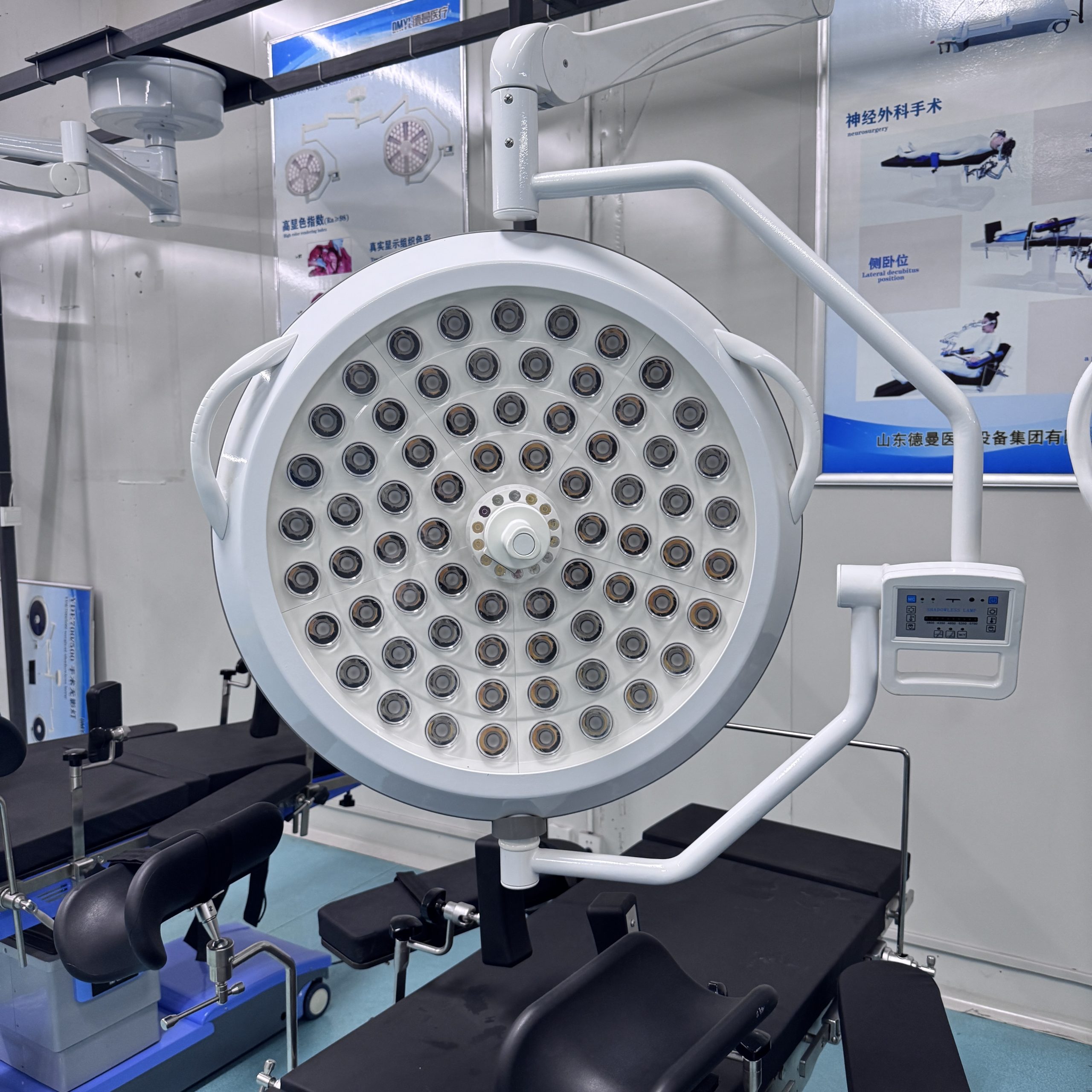
The surgical light handle is the only component of a surgical lighting system that clinical staff touch directly during procedures. It enables precise positioning of the surgical field while serving as a high-touch surface that directly influences infection control outcomes. A poorly chosen handle can cause light drift mid-procedure, increase surgical site infection (SSI) risk, and even damage the articulating arm of your surgical lighting over time.
This 2026 guide covers everything procurement teams, OR managers, infection control specialists, and biomedical engineers need to know about selecting and maintaining surgical light handles. We break down market categories, core selection criteria, evidence-based sterilization practices, total cost of ownership data, and answers to common clinical questions. Whether you are upgrading an existing surgical lighting fleet or outfitting a new OR, this guide helps you choose handles that protect patients, support teams, and maximize your equipment value.
Why Surgical Light Handles Matter in Modern ORs
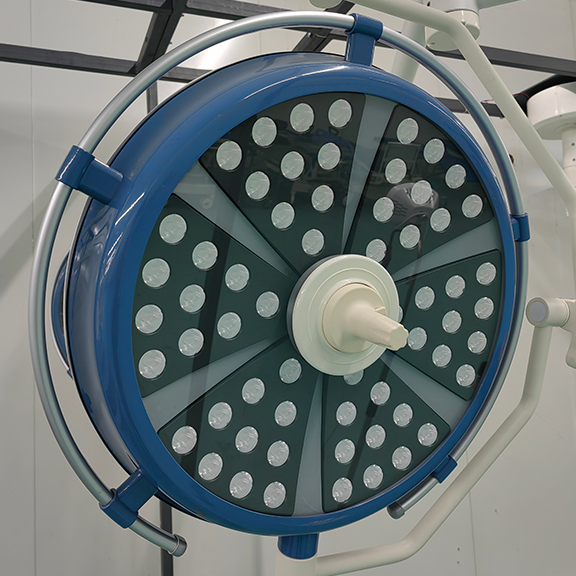
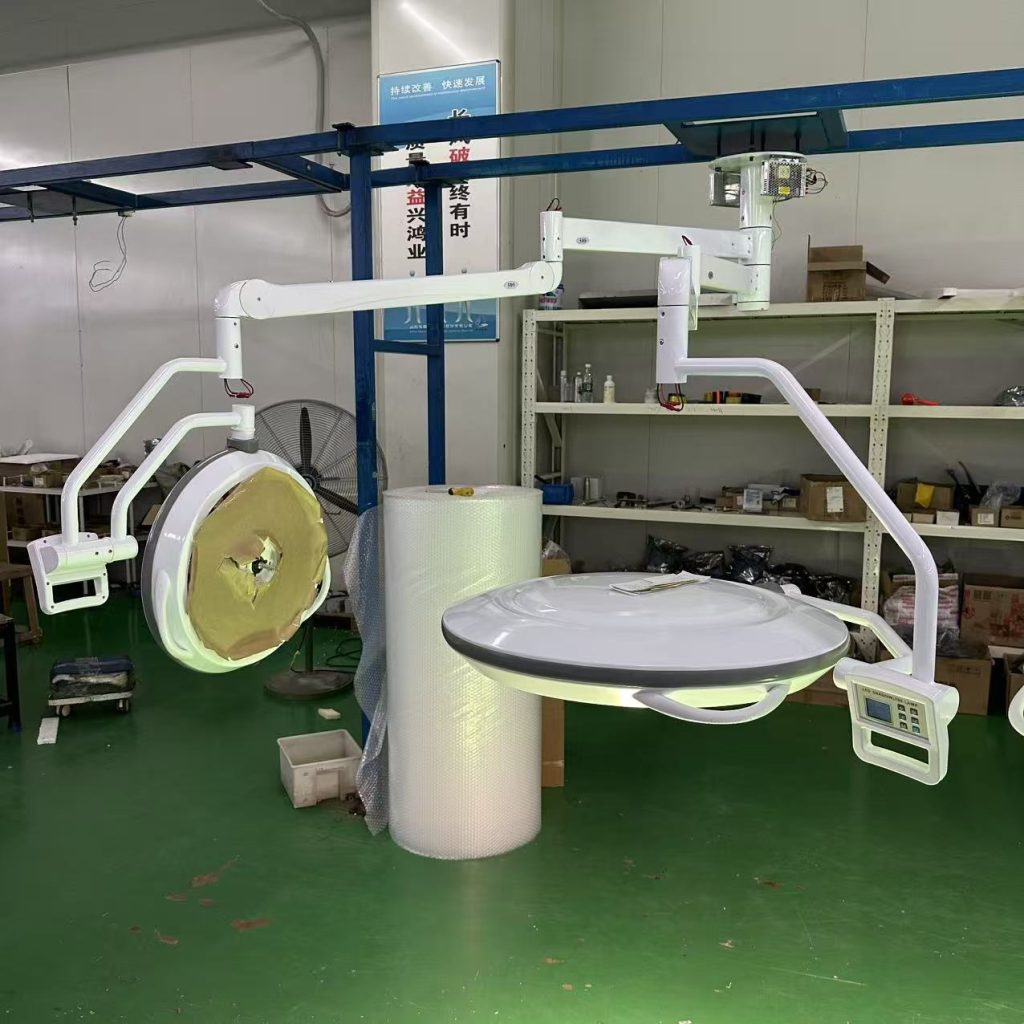
It is easy to dismiss light handles as a low-cost accessory, but they play an outsized role in OR safety, efficiency, and equipment longevity. Data from the Association of periOperative Registered Nurses shows that surgical light handles are among the top 5 most frequently touched high-touch surfaces in the operating room, contacted an average of 28 times per procedure.
Every touch creates two key risks: cross-contamination and workflow disruption. Handles with hard-to-clean crevices can harbor bacteria and become a vector for SSIs, which cost U.S. hospitals billions annually in readmissions. Slippery or stiff handles force surgeons to pause procedures to reposition surgical lighting, breaking concentration and extending case times.
Handles also impact the long-term health of your surgical lighting system. Worn, ill-fitting handles place uneven stress on light head connection ports and arm joints, leading to premature drift and expensive service calls. Many surgical lighting repairs blamed on arm failure actually stem from damaged handles that strain internal components. As integrated, camera-equipped surgical lighting becomes standard, handles have evolved to include built-in controls, making proper selection even more critical.
Core Types of Surgical Light Handles (2026 Market)
The 2026 market offers four primary handle categories, each designed for different clinical settings and surgical lighting configurations.
Reusable Autoclavable Stainless Steel Handles
The longstanding industry standard, these solid metal handles withstand hundreds of sterilization cycles and come standard with most mid-tier surgical lighting systems. They are durable and low-cost upfront, but repeated sterilization can create micro-scratches that harbor bacteria over time.
Single-Use Disposable Sterile Handles
Fast-growing in adoption, these pre-sterilized plastic covers slip over a permanent base handle on the surgical lighting head. Discarded after each procedure, they eliminate cross-contamination risk and require no sterile processing labor, but create ongoing per-case supply costs.
Integrated Smart Control Handles
Included with premium camera-equipped surgical lighting, these handles feature sealed, sterilizable buttons for adjusting brightness, focus, and camera settings without leaving the sterile field. They reduce workflow interruptions but require specialized low-temperature sterilization.
Quick-Release Detachable Handles
Standard on nearly all new 2026 surgical lighting models, these lock into place with a single button press for fast removal and replacement between cases. They cut OR turnover time but are not compatible with legacy pre-2015 light systems.
Table 1: Surgical Light Handle Type Comparison (2026)
表格
| Handle Type | Compatible Surgical Lighting Tier | Core Advantages | Best For |
|---|---|---|---|
| Reusable Stainless Steel | Entry to mid-tier | Low upfront cost, durable | Low-volume ORs, outpatient clinics |
| Single-Use Disposable | All tiers | Zero cross-contamination risk, no reprocessing | High-infection-risk cases, high-turnover ASCs |
| Smart Integrated | Premium camera-equipped | Intraoperative control, fewer interruptions | Teaching hospitals, complex surgery |
| Quick-Release Detachable | All 2020+ models | Fast turnover, easy replacement | All new surgical lighting installations |
Non-Negotiable Selection Criteria for 2026
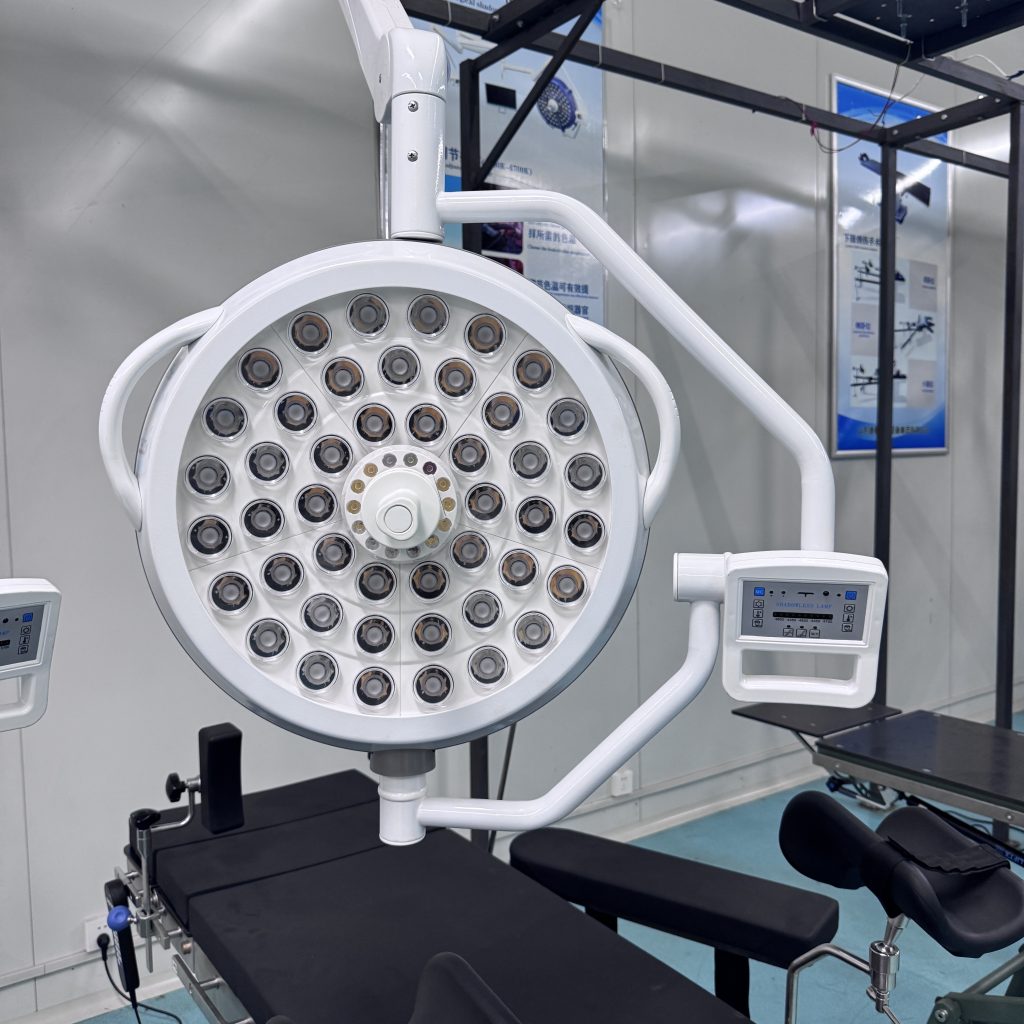
Price alone should never drive handle selection. Use these criteria to evaluate safety, compatibility, and long-term value for your surgical lighting fleet.
First, prioritize infection control design. Choose handles with smooth, seamless surfaces with no crevices or exposed screws that trap organic material. For reusable models, confirm compatibility with your facility’s standard sterilization methods. Disposable handles should carry FDA 510(k) clearance and individually sealed sterile packaging. A handle that cannot be properly cleaned undermines the infection control performance of your entire surgical lighting system.
Second, verify ergonomic fit. Quality handles are lightweight, feature non-slip texturing that works with double-gloved hands, and reduce wrist strain during long procedures. Poor ergonomics force surgeons to apply extra force when adjusting surgical lighting, accelerating wear on arm joints over time.
Third, confirm compatibility with your existing surgical lighting. This is the most common purchasing mistake. Nearly every manufacturer uses a patented quick-release interface, so handles from one brand will not lock securely into another. Low-cost third-party “universal” handles can slip mid-procedure, damage light head ports, and void your surgical lighting warranty. Always cross-reference model numbers before purchasing.
Fourth, validate regulatory compliance. All surgical light handles are classified as medical device accessories and must carry the same certifications as your surgical lighting: FDA 510(k) clearance, CE MDR marking, and ISO 10993 biocompatibility certification. Uncertified products may fail infection control audits or pose safety risks.
Table 2: Sterilization Compatibility for Reusable Handles
表格
| Sterilization Method | Stainless Steel | High-Temp Plastic | Smart Control Handles |
|---|---|---|---|
| Steam Autoclave (134°C) | ✅ Compatible | ❌ Not recommended | ❌ Damages electronics |
| Low-Temp Hydrogen Peroxide | ✅ Compatible | ✅ Compatible | ✅ Recommended |
| Ethylene Oxide (EtO) | ✅ Compatible | ✅ Compatible | ✅ Compatible |
| Wipe Disinfection Only | ⚠️ Spot cleaning only | ⚠️ Spot cleaning only | ⚠️ Spot cleaning only |
Maintenance & Sterilization Best Practices
Proper maintenance extends handle lifespan, reduces SSI risk, and prevents damage to your surgical lighting system. Follow these core practices:
For reusable handles, begin pre-cleaning immediately after use to remove visible blood and organic material before transport to sterile processing. Never use abrasive scrub brushes, as they create permanent scratches that harbor bacteria. Follow manufacturer sterilization guidelines exactly — never autoclave smart control handles unless explicitly approved, as high heat damages internal electronics.
After each sterilization cycle, inspect handles for cracks, deep scratches, or worn locking tabs. Discard damaged handles immediately, even if they appear to function. Worn locking tabs are the leading cause of handles falling off mid-procedure and can scratch the surgical lighting light head.
For disposable handles, never reuse or re-sterilize them. The plastic material degrades with sterilization, creating breakage risk and breaking the sterile barrier. Train staff to confirm an audible click when attaching handles to ensure a secure fit.
During quarterly preventive maintenance for your surgical lighting, inspect the handle connection port. Clean dust and residue from the port, check for loose fittings, and lubricate the release button per guidelines. Most surgical lighting positioning issues blamed on worn arms actually stem from loose handle connections that create uneven weight distribution.
Total Cost of Ownership Comparison
Upfront price is only a fraction of long-term costs. The table below compares 5-year total ownership costs for a single OR with a single-dome surgical lighting system performing 200 procedures annually.
Table 3: 5-Year Total Cost of Ownership (Single OR)
表格
| Cost Category | Reusable Stainless Steel | Single-Use Disposable | Smart Integrated |
|---|---|---|---|
| Initial Purchase (2 handles) | $180 | $0 (starter pack included) | $850 |
| Annual Replacement Costs | $90/year | $720/year | $170/year |
| Annual Sterilization & Labor | $320/year | $0 | $240/year |
| 5-Year Repair Risk | $150 | $50 | $200 |
| Total 5-Year Cost | $2,320 | $3,650 | $3,400 |
| Cost Per Procedure | $2.32 | $3.65 | $3.40 |
Reusable handles have the lowest per-procedure cost but carry higher SSI risk without meticulous maintenance. Smart handles have a higher upfront investment but reduce procedure delays by 2–3 minutes per case by eliminating the need for nurses to adjust surgical lighting, generating significant OR time savings for high-volume facilities.
If you need medical equipment or other services, please contact us!
Email: demanmedical@gmail.com
Phone: +86-13188819888
Facebook:https://www.facebook.com/demanmedical/
Instagram: https://www.instagram.com/deman.medical/
YouTube: https://www.youtube.com/@DEMANmedical
Conclusion
Surgical light handles are far more than a low-cost accessory — they are a critical component that impacts patient safety, OR efficiency, and the lifespan of your surgical lighting investment. In 2026, facilities have more options than ever to match handle type to their clinical needs and budget.
The right choice depends on your procedure volume, infection control priorities, and surgical lighting configuration. For low-volume outpatient settings, high-quality reusable stainless steel handles deliver reliable performance at the lowest cost. For high-turnover ASCs and zero-SSI initiatives, disposable handles eliminate reprocessing work and cross-contamination risk. For facilities with premium integrated surgical lighting, smart control handles deliver measurable workflow benefits that justify their cost.
Regardless of handle type, prioritize three non-negotiables: verified compatibility with your surgical lighting, smooth crevice-free design for effective cleaning, and secure locking construction. Follow regular inspection and maintenance protocols, replace worn handles promptly, and train staff on proper use. With the right selection and care, your surgical light handles will support safe, efficient procedures and maximize the value of your surgical lighting investment for years to come.
FAQ
Are surgical light handles universal across brands?
No. Nearly every surgical lighting manufacturer uses a patented custom quick-release interface, so handles from one brand will not lock securely into another. Third-party “universal” handles are not recommended, as poor fit can cause slippage, damage light ports, and void your surgical lighting warranty.
How often should reusable handles be replaced?
Most manufacturers recommend replacement every 1–2 years, or after 500–1000 sterilization cycles. Immediately replace any handle with deep scratches, cracked plastic, or worn locking tabs, even if it is newer. Damaged handles pose both infection control and equipment damage risks.
Can disposable handles be re-sterilized and reused?
No. Disposable handles are designed for single use only. Their plastic material degrades when exposed to sterilization, creating breakage risk and compromising the sterile barrier. Reusing disposable handles violates FDA guidelines and increases SSI risk.
Do I need new handles when upgrading my surgical lighting?
If your new surgical lighting shares the same connection interface, existing handles will fit physically. However, if you upgrade to a premium system with camera or brightness control features, you will need compatible smart handles to access those functions. Standard handles will not operate integrated features.