

Introduction
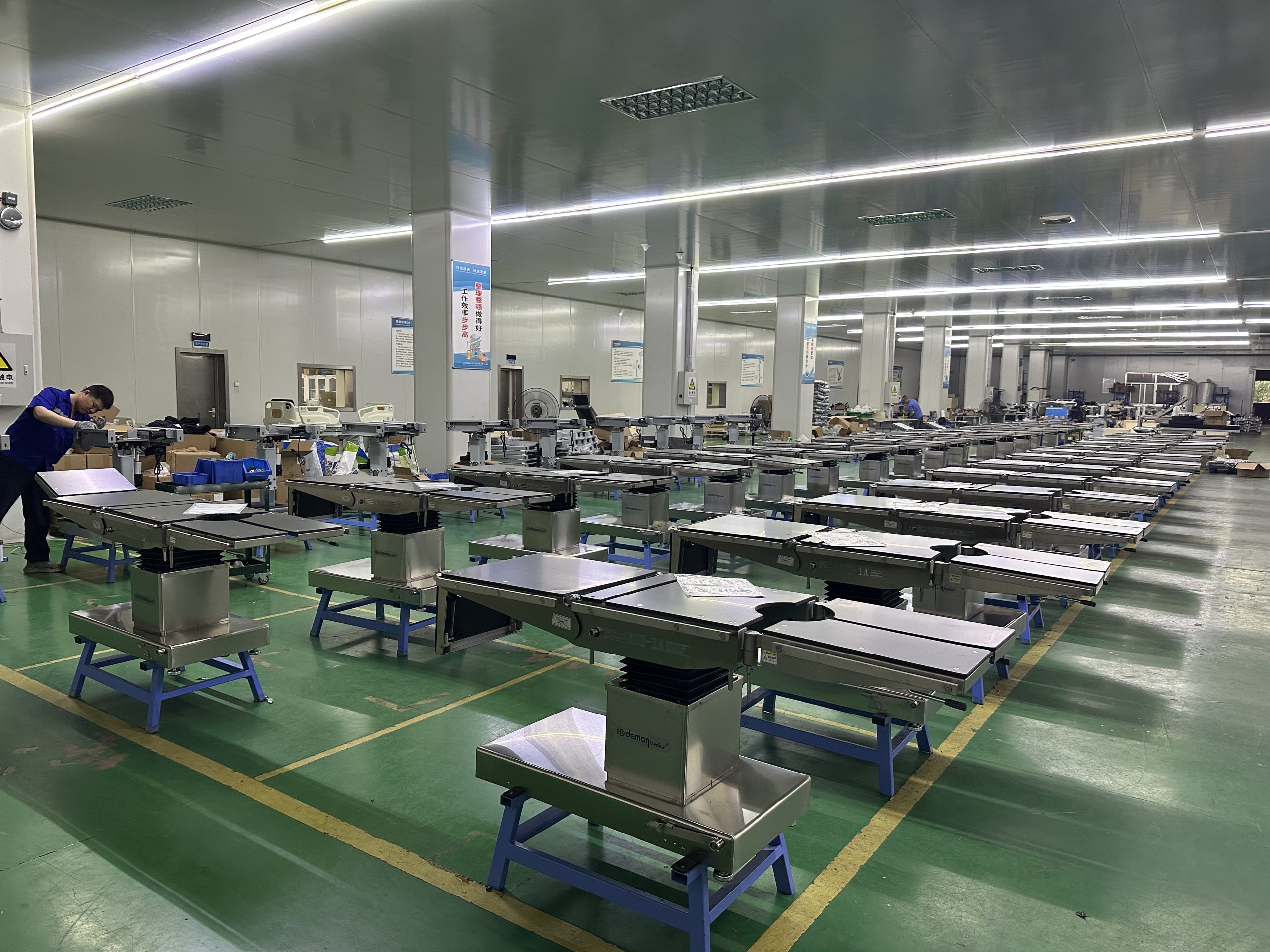
In modern surgical practice, the positioning and management of a patient on operating table is one of the most critical factors influencing surgical success. While advanced surgical instruments, imaging systems, and operating room lighting all play important roles, the foundation of every procedure begins with how the patient is positioned, secured, and monitored on the operating table.
A properly positioned patient ensures optimal surgical access, reduces complications, prevents pressure injuries, and supports anesthesia management. On the other hand, improper positioning can lead to nerve damage, circulation issues, respiratory complications, or even long-term disability.
This article provides a comprehensive overview of the key surgical considerations when handling a patient on operating table, including positioning techniques, safety protocols, table types, risk prevention, and modern technological improvements in surgical tables.
Importance of Proper Patient Positioning
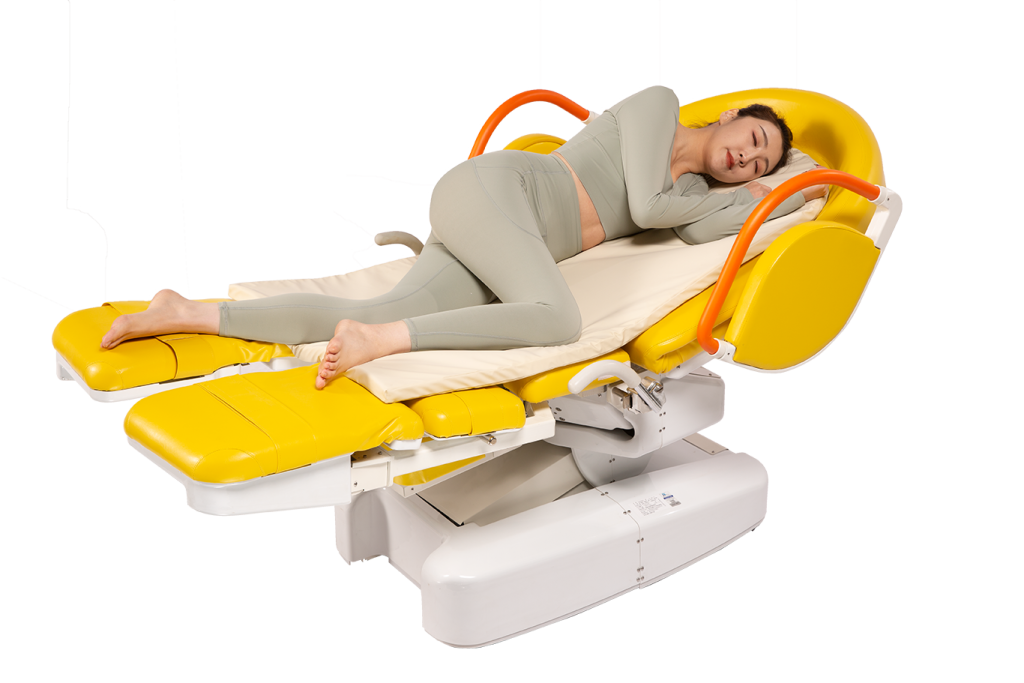
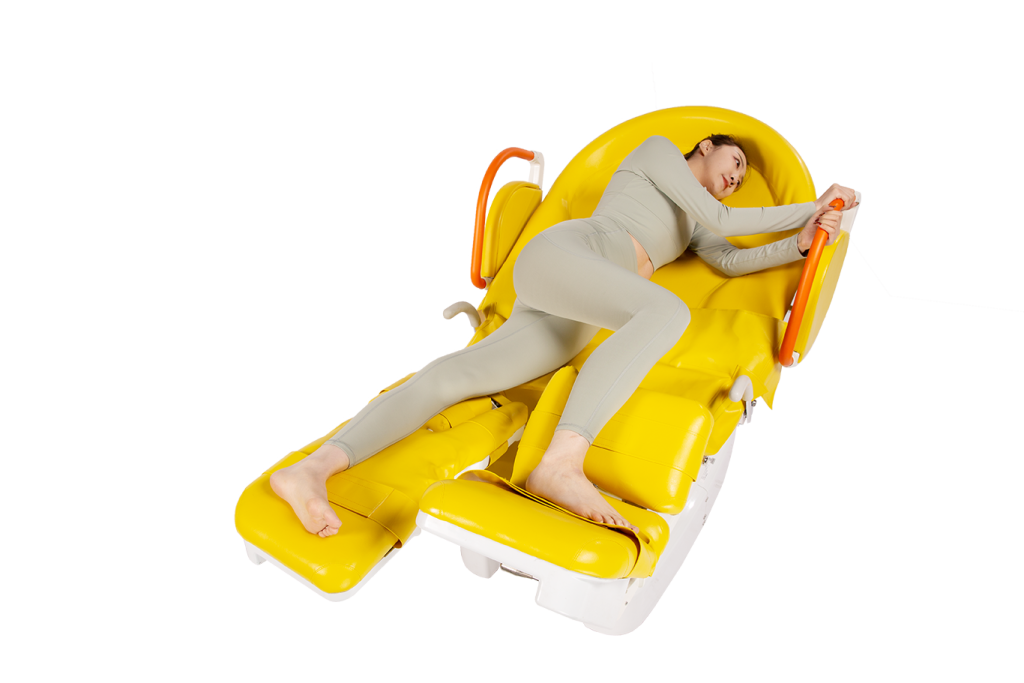
Correct positioning of a patient on operating table is not just a technical requirement—it is a clinical necessity. Every surgical specialty requires specific positioning to ensure visibility, access, and safety.
Why Positioning Matters
- Ensures optimal access to the surgical site
- Prevents nerve compression and tissue injury
- Supports respiratory and cardiovascular stability
- Reduces surgical time and complications
- Improves surgeon ergonomics and precision
Even minor misalignment can lead to complications that persist long after surgery.
Common Patient Positions in Surgery
Different surgeries require different positioning strategies for a patient on operating table. Each position has unique benefits and risks.
Common Surgical Positions
| Position | Description | Common Use Cases | Key Risks |
|---|---|---|---|
| Supine position | Patient lies flat on back | General surgery, abdominal surgery | Pressure ulcers, nerve compression |
| Prone position | Patient lies face down | Spine surgery, neurosurgery | Respiratory restriction |
| Lateral position | Patient lies on side | Kidney surgery, thoracic surgery | Shoulder and hip pressure injury |
| Lithotomy position | Legs elevated and separated | Gynecological, urological surgery | Nerve injury, compartment syndrome |
| Trendelenburg position | Head lowered, feet raised | Pelvic surgery, laparoscopy | Increased intracranial pressure |
Each position requires careful adjustment of the operating table and continuous monitoring.
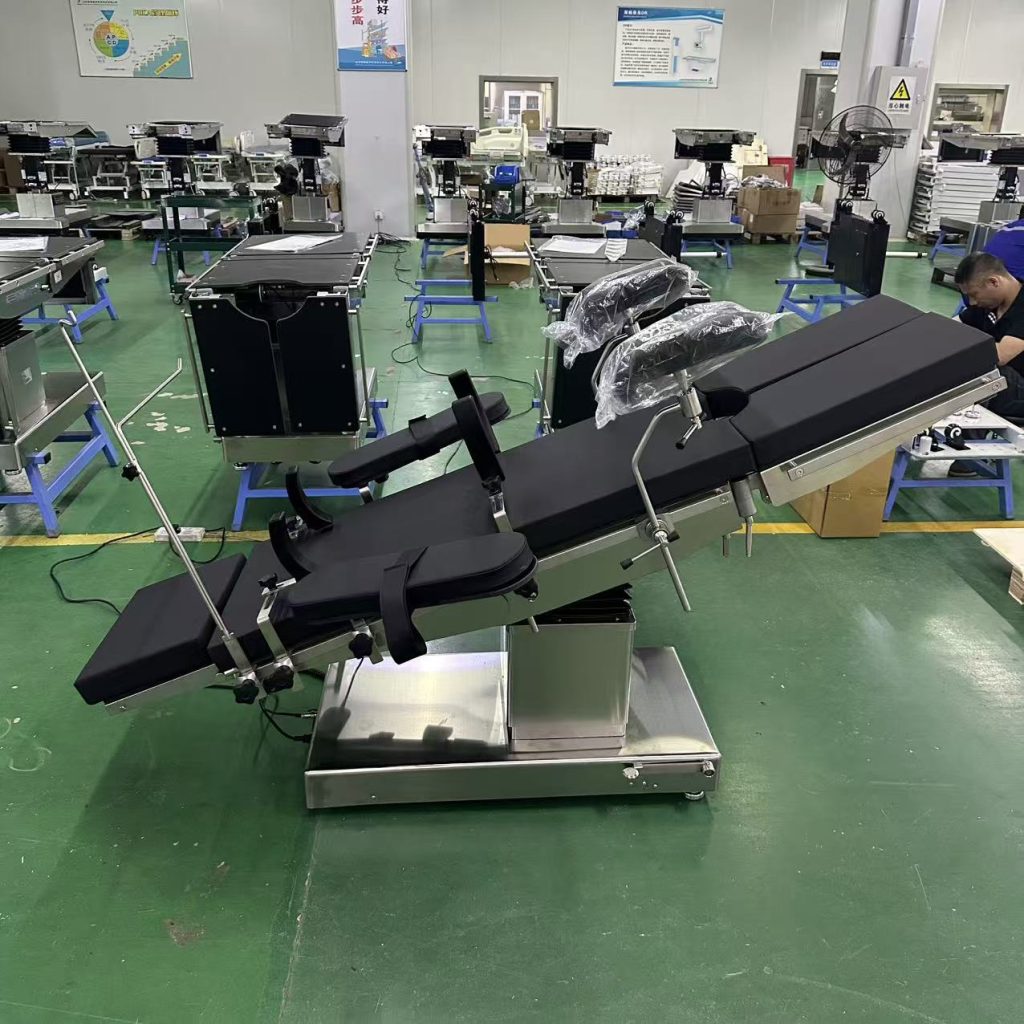
Types of Operating Tables and Their Functions
Modern surgical environments use highly specialized operating tables designed to support different procedures and patient safety needs.
Operating Table Categories
| Type | Features | Applications |
|---|---|---|
| General surgical table | Adjustable height and tilt | Multi-purpose surgeries |
| Orthopedic table | Strong traction and limb support | Bone and joint surgeries |
| Neurosurgical table | High stability and head fixation | Brain and spine surgeries |
| Imaging-compatible table | Radiolucent surface | Fluoroscopy-guided procedures |
| Hydraulic operating table | Smooth mechanical adjustment | Advanced surgical environments |
The design of the table directly impacts the safety of a patient on operating table during procedures.
Safety Considerations During Surgery
Safety is the highest priority when managing a patient on operating table. Proper protocols must be followed before, during, and after surgery.
Key Safety Protocols
- Securing the patient with straps and supports
- Protecting pressure points with padding
- Ensuring correct alignment of spine and limbs
- Checking anesthesia equipment placement
- Maintaining sterile field integrity
Pressure Injury Prevention Measures
| Risk Area | Prevention Strategy |
|---|---|
| Head | Soft positioning pads and neutral alignment |
| Shoulders | Avoid excessive abduction |
| Elbows | Padding and neutral flexion |
| Sacrum | Gel pads to reduce pressure |
| Heels | Heel protectors and elevation |
These precautions help minimize complications associated with prolonged surgery.
Role of Anesthesia in Patient Positioning
Anesthesia management is closely linked to the positioning of a patient on operating table. Improper positioning can interfere with breathing, circulation, and nerve function.
Anesthesia-Related Considerations
- Airway accessibility must be maintained
- Endotracheal tube placement must remain secure
- Ventilation must adapt to body position changes
- Blood pressure changes must be monitored continuously
Certain positions, such as Trendelenburg or prone, require special anesthetic adjustments to ensure patient stability.
Risks Associated with Improper Positioning
If a patient on operating table is not positioned correctly, several complications may occur.
Common Complications
- Peripheral nerve injuries
- Pressure ulcers and skin breakdown
- Compartment syndrome
- Respiratory restriction
- Circulatory impairment
Risk Comparison Table
| Positioning Error | Possible Outcome | Severity |
|---|---|---|
| Excessive limb extension | Nerve damage | High |
| Poor head alignment | Airway obstruction | Critical |
| Prolonged pressure points | Tissue necrosis | High |
| Incorrect spinal alignment | Postoperative pain | Medium to high |
Proper training and equipment significantly reduce these risks.
Technological Advances in Operating Tables
Modern operating tables are no longer simple mechanical platforms. They now incorporate advanced technologies that enhance safety and flexibility.
Key Innovations
- Electric and hydraulic adjustment systems
- Memory position settings for repeat procedures
- Integrated imaging compatibility
- Carbon fiber radiolucent surfaces
- Remote control operation systems
Feature Comparison Table
| Feature | Traditional Table | Modern Operating Table |
|---|---|---|
| Adjustability | Manual | Electric/hydraulic |
| Imaging compatibility | Limited | High (radiolucent) |
| Position memory | Not available | Available |
| Patient safety systems | Basic | Advanced monitoring integration |
| Ease of use | Moderate | High |
These advancements significantly improve the management of a patient on operating table in complex surgeries.
Surgical Team Responsibilities
Ensuring safety requires coordination among the entire surgical team.
Roles and Responsibilities
| Team Member | Responsibility |
|---|---|
| Surgeon | Determines optimal positioning |
| Anesthesiologist | Monitors physiological stability |
| Nurses | Assist in positioning and padding |
| Operating technician | Adjusts table and equipment |
| Circulating nurse | Ensures safety compliance |
Effective teamwork reduces errors and improves surgical outcomes.
Postoperative Considerations
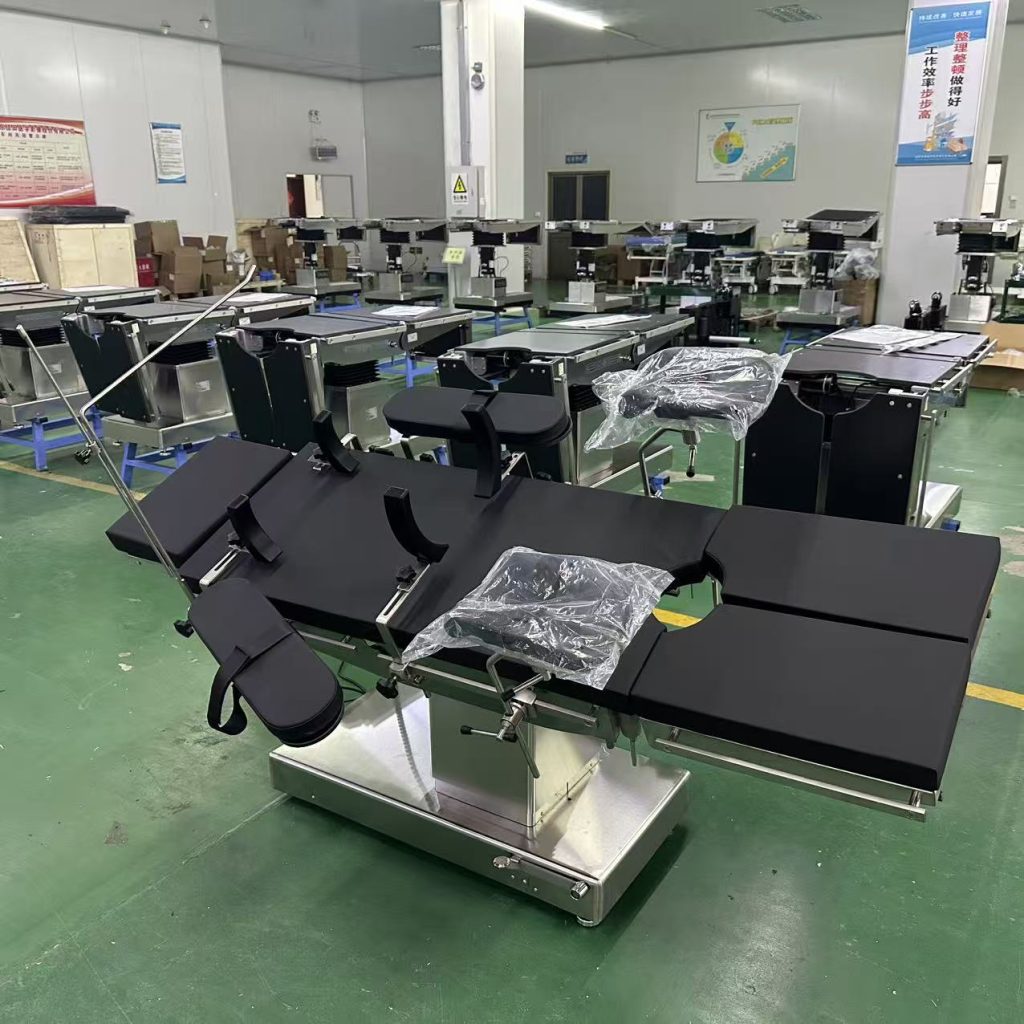
Care for a patient on operating table does not end when surgery is completed. Postoperative assessment is essential.
Post-Surgery Checks
- Skin integrity assessment
- Nerve function evaluation
- Muscle strength testing
- Pain level monitoring
- Circulatory system check
Early detection of complications ensures faster recovery and better outcomes.
Best Practices for Safe Positioning
Hospitals follow standardized protocols to ensure safe handling of a patient on operating table.
Best Practice Checklist
- Conduct preoperative positioning planning
- Use appropriate padding materials
- Adjust table before anesthesia induction when possible
- Reconfirm alignment after draping
- Continuously monitor during long surgeries
These practices help reduce avoidable complications.
Future Trends in Operating Table Design
The future of surgical tables is focused on intelligence, automation, and integration.
Emerging Trends
- AI-assisted automatic positioning systems
- Real-time pressure mapping sensors
- Smart integration with surgical navigation systems
- Voice-controlled adjustments
- Robotics-assisted positioning support
These innovations aim to further enhance patient safety and surgical efficiency.
If you need medical equipment or other services, please contact us!
Email: demanmedical@gmail.com
Phone: +86-13188819888
Facebook:https://www.facebook.com/demanmedical/
Instagram: https://www.instagram.com/deman.medical/
YouTube: https://www.youtube.com/@DEMANmedical
Conclusion
The management of a patient on operating table is a fundamental aspect of surgical success. Proper positioning, safety precautions, and the use of advanced operating table technology all contribute to improved surgical outcomes and reduced complications.
As surgical procedures become more complex, the importance of precise positioning and intelligent table systems will continue to grow. Hospitals that invest in modern operating tables and staff training can significantly enhance patient safety, operational efficiency, and overall clinical performance.
Ultimately, careful attention to how a patient on operating table is managed reflects the quality and professionalism of the entire surgical team.
FAQ
Why is positioning a patient on operating table so important?
Proper positioning ensures surgical access, prevents nerve damage, and reduces complications during and after surgery.
What are the most common surgical positions?
Common positions include supine, prone, lateral, lithotomy, and Trendelenburg positions.
What risks are associated with poor positioning?
Risks include nerve injury, pressure ulcers, respiratory issues, and circulatory problems.
How do modern operating tables improve safety?
They offer electric adjustments, better stability, imaging compatibility, and position memory functions.
Who is responsible for patient positioning during surgery?
The entire surgical team shares responsibility, including surgeons, anesthesiologists, nurses, and technicians.