
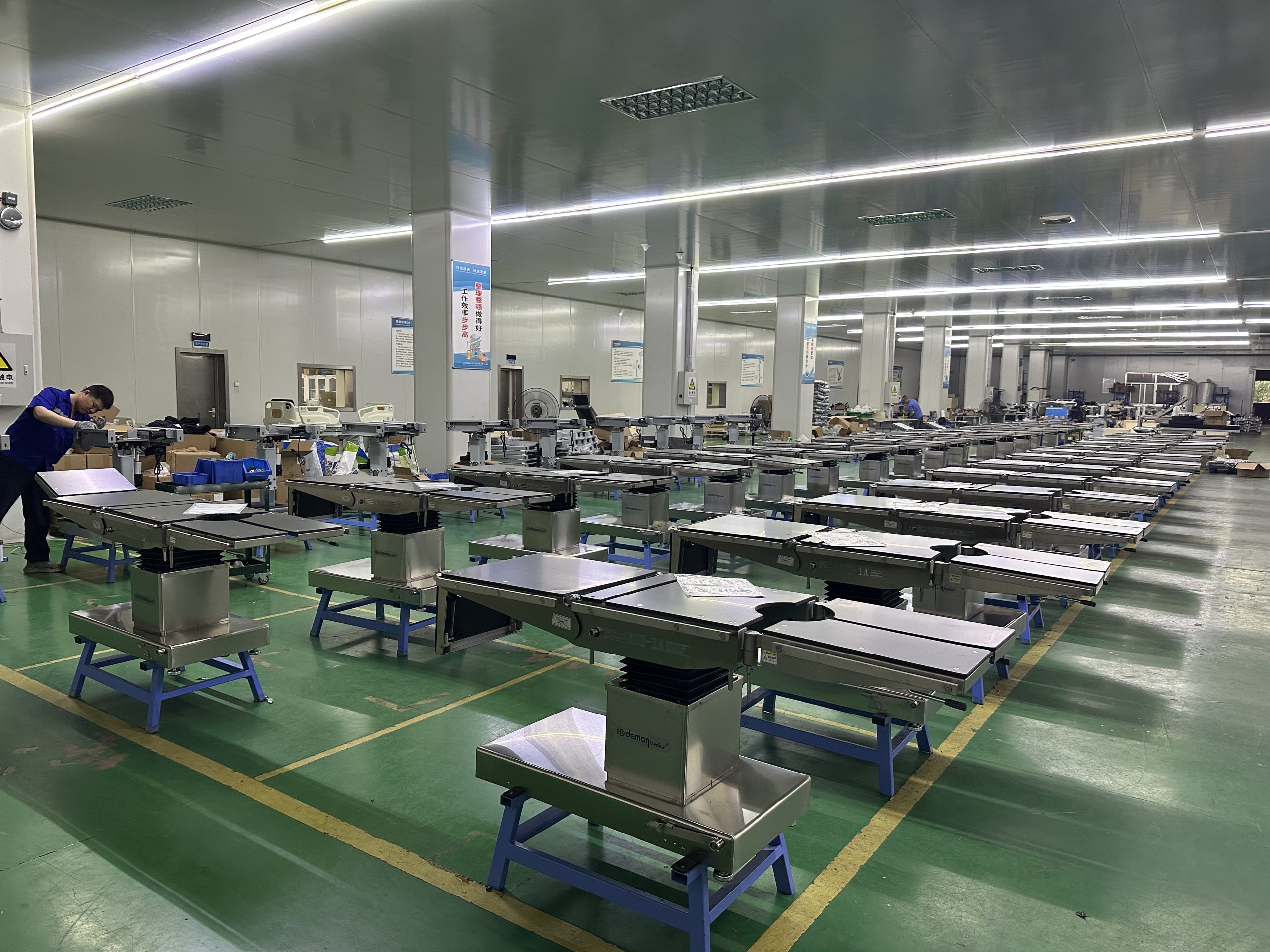

Introduction
Modern surgical procedures require more than just an advanced operating table. To ensure optimal patient positioning, surgical accessibility, safety, and procedural efficiency, healthcare facilities rely on a wide range of operating table accessories. These accessories are designed to enhance the functionality of surgical tables and support the unique requirements of different medical specialties.
From orthopedic surgery and neurosurgery to gynecology and cardiovascular procedures, proper patient positioning is essential for successful surgical outcomes. High-quality operating table accessories help surgeons gain better access to the surgical site, reduce patient movement, improve ergonomics, and minimize complications associated with prolonged procedures.
As operating room technology continues to evolve, hospitals and surgical centers are increasingly investing in specialized accessories that improve workflow, patient comfort, and surgical precision. This guide explores the most common types of operating table accessories, their applications, benefits, selection criteria, and maintenance considerations.
What Are Operating Table Accessories?
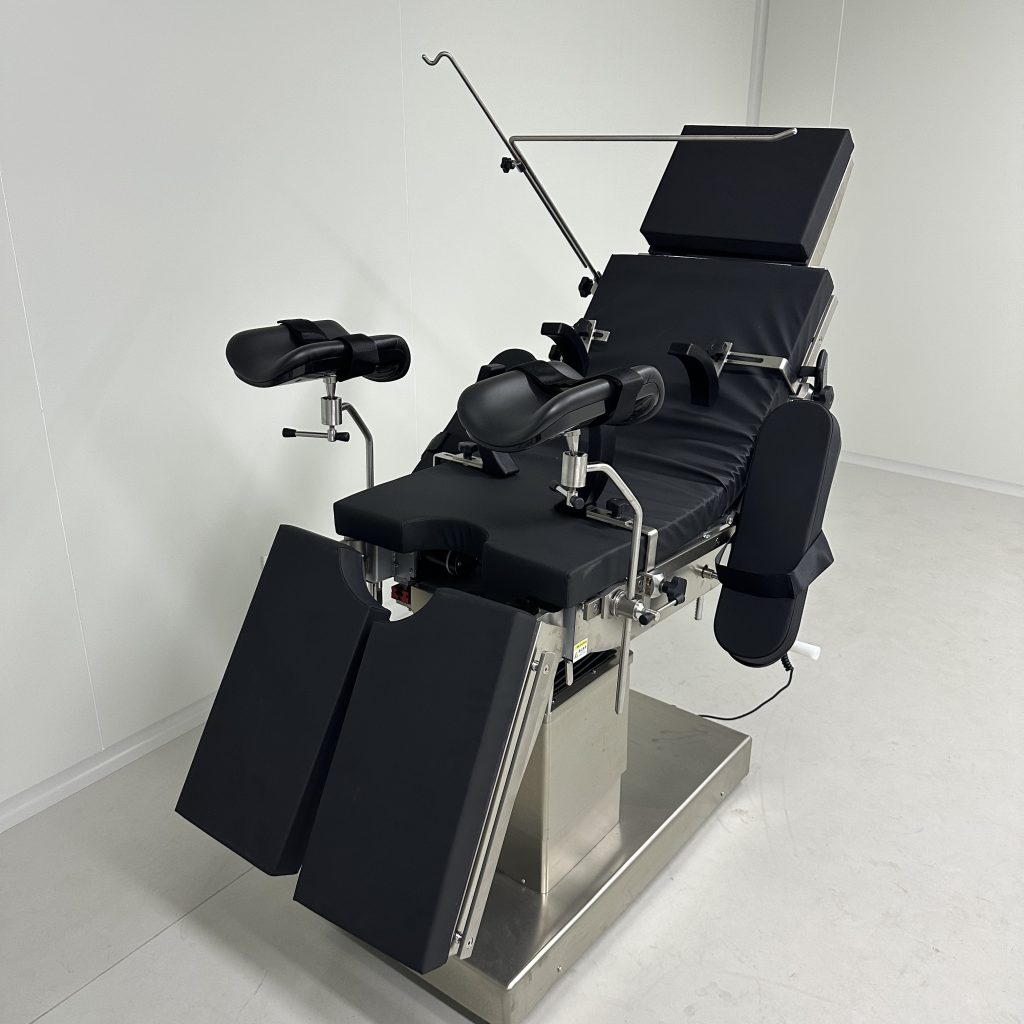
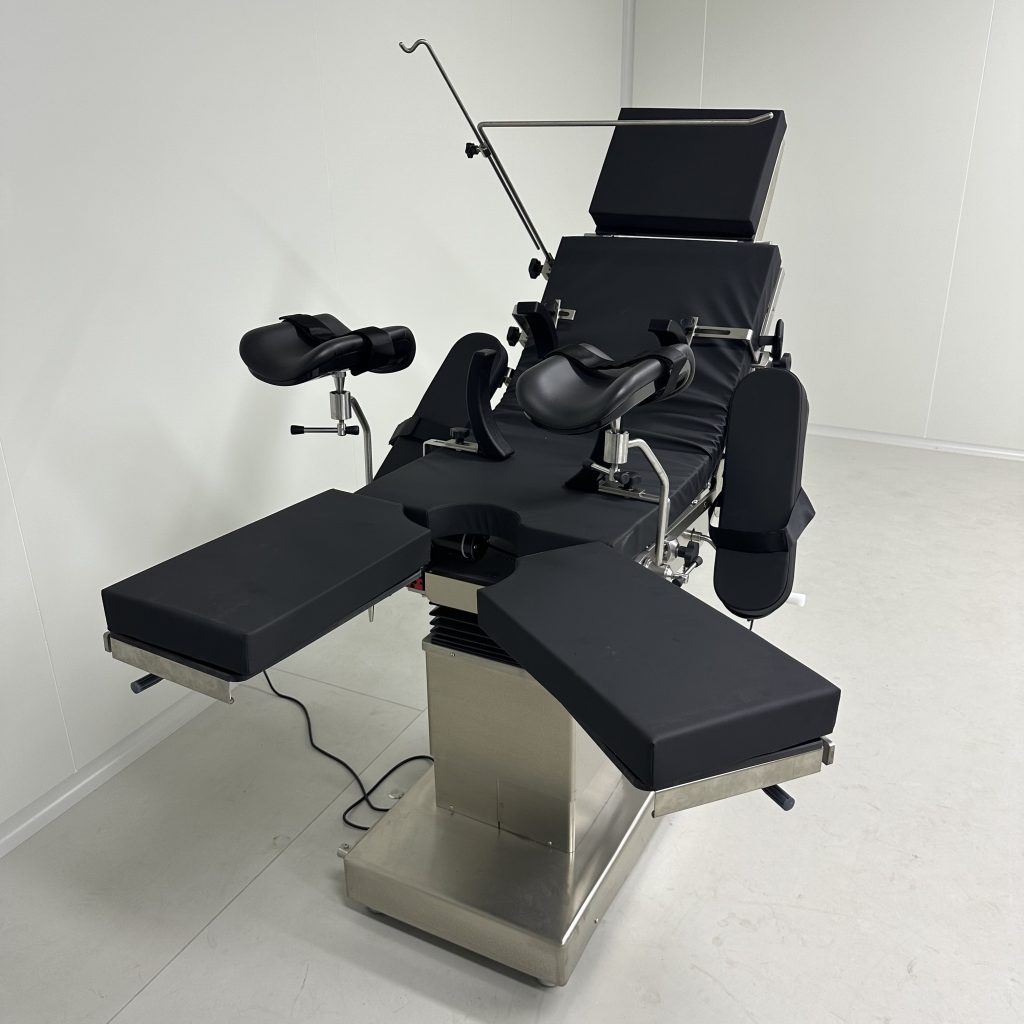
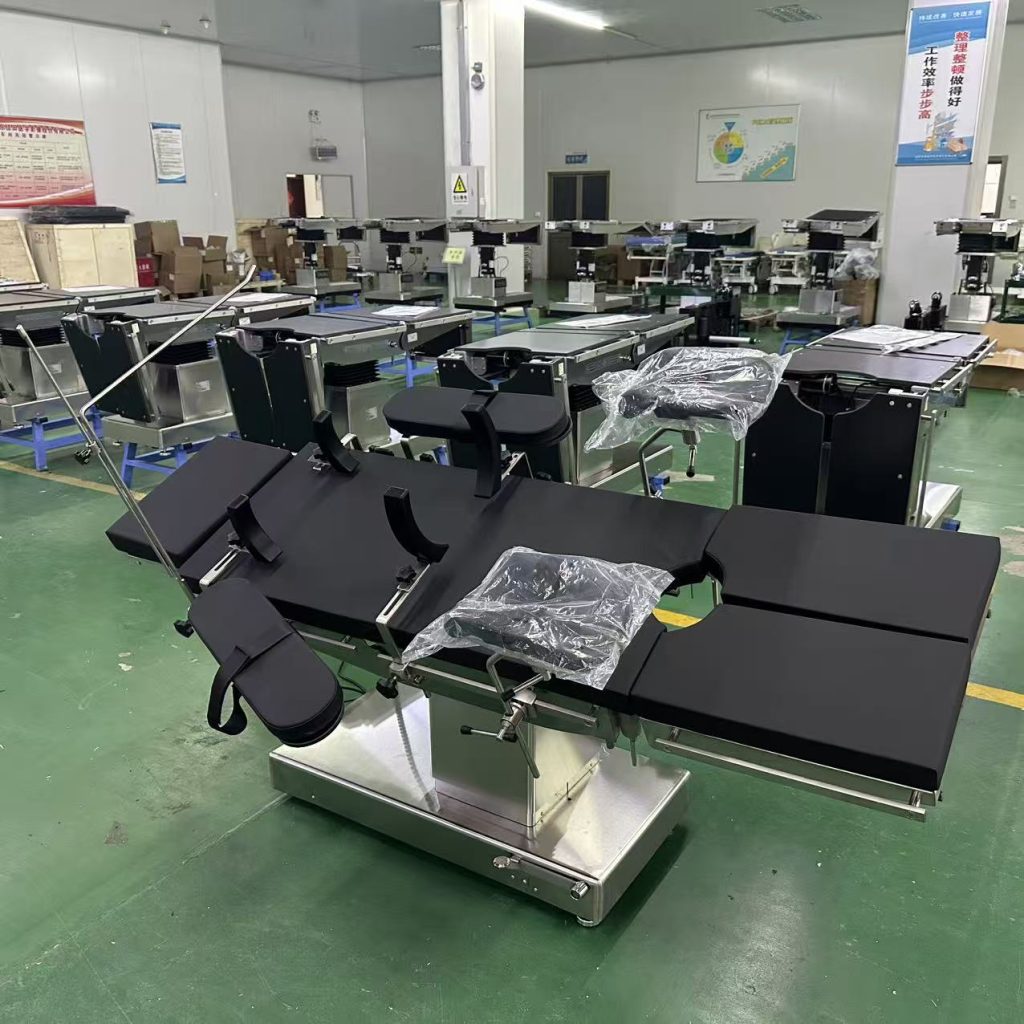
Operating table accessories are supplementary components attached to or used with surgical tables to support patient positioning and accommodate specific surgical requirements.
These accessories allow medical staff to adjust patient posture, stabilize body parts, improve surgical access, and increase safety during procedures.
Main Functions of Operating Table Accessories
- Patient positioning
- Surgical site exposure
- Body stabilization
- Imaging support
- Surgeon ergonomics
- Patient safety enhancement
Basic Characteristics
| Feature | Purpose |
|---|---|
| Adjustability | Supports various surgical positions |
| Compatibility | Fits different table models |
| Durability | Withstands repeated clinical use |
| Sterilizability | Meets infection control standards |
| Safety | Prevents patient movement |
Modern operating table accessories play a critical role in optimizing surgical performance and patient care.
Why Operating Table Accessories Are Important
The operating table alone cannot meet the requirements of every surgical specialty. Different procedures require different patient positions and support systems.
Benefits of Using Operating Table Accessories
Improved Surgical Access
Accessories allow surgeons to reach difficult anatomical areas more effectively.
Enhanced Patient Safety
Proper positioning reduces pressure injuries and accidental movement.
Better Surgical Efficiency
Well-positioned patients help reduce operating time and improve workflow.
Increased Comfort
Long surgical procedures require adequate support to prevent complications.
Clinical Benefits Overview
| Benefit | Impact |
|---|---|
| Better Positioning | Improved surgical accuracy |
| Reduced Fatigue | Enhanced surgeon comfort |
| Increased Safety | Lower complication risk |
| Workflow Efficiency | Faster setup and operation |
| Imaging Compatibility | Improved diagnostic visibility |
These advantages make operating table accessories indispensable in modern operating rooms.
Common Types of Operating Table Accessories
Healthcare facilities use a variety of accessories depending on the procedures they perform.
Headrests and Head Positioners
Head positioning accessories support the patient’s head and neck during surgery.
Applications
- Neurosurgery
- ENT surgery
- Plastic surgery
- Spine surgery
Benefits
- Stable positioning
- Improved surgical access
- Reduced pressure points
Arm Boards
Arm boards provide secure support for the patient’s arms during surgery.
Features
- Adjustable angle
- Padded surface
- Easy attachment
Applications
- General surgery
- Orthopedic surgery
- Cardiovascular procedures
Arm Board Specifications
| Feature | Typical Range |
|---|---|
| Rotation Angle | ±90° |
| Material | Stainless steel & cushion |
| Load Capacity | 10–20 kg |
Arm boards are among the most frequently used operating table accessories in hospitals worldwide.
Leg Supports and Stirrups
Leg supports are essential for procedures requiring lithotomy positioning.
Common Uses
- Gynecology
- Urology
- Obstetrics
- Colorectal surgery
Benefits
- Secure leg positioning
- Improved surgical access
- Reduced nerve pressure
Types of Leg Supports
| Type | Application |
|---|---|
| Standard Stirrups | General gynecology |
| Boot-Type Supports | Extended procedures |
| Adjustable Leg Holders | Multi-specialty use |
Shoulder Supports
Shoulder supports help stabilize patients during Trendelenburg positioning.
Applications
- Laparoscopic surgery
- Robotic surgery
- Pelvic procedures
Benefits
- Prevents patient sliding
- Enhances safety
- Maintains proper alignment
These operating table accessories are especially important during steep positioning angles.
Anesthesia Screens
Anesthesia screens create a sterile separation between the surgical field and anesthesia area.
Advantages
- Improved organization
- Enhanced infection control
- Better workflow management
Specialty-Specific Operating Table Accessories
Different surgical disciplines require specialized accessories.
Orthopedic Surgery Accessories
Orthopedic procedures often involve complex positioning requirements.
Common Accessories
- Traction devices
- Orthopedic extensions
- Fracture supports
- Carbon fiber attachments
Orthopedic Accessory Overview
| Accessory | Purpose |
|---|---|
| Traction Frame | Bone alignment |
| Orthopedic Extension | Limb positioning |
| Fracture Support | Stabilization |
These specialized operating table accessories help orthopedic surgeons achieve precise alignment during procedures.
Neurosurgery Accessories
Neurosurgical procedures demand exceptional positioning accuracy.
Common Equipment
- Skull clamps
- Head fixation systems
- Neuro positioning frames
Benefits
- Maximum stability
- Precise positioning
- Enhanced surgical accuracy
Gynecological Accessories
Gynecology and obstetrics require dedicated patient positioning systems.
Examples
- Lithotomy leg holders
- Perineal posts
- Drainage trays
Gynecological Accessory Table
| Accessory | Function |
|---|---|
| Leg Holder | Lithotomy positioning |
| Drainage Basin | Fluid collection |
| Perineal Support | Patient stabilization |
Materials Used in Operating Table Accessories
Material selection directly affects durability, hygiene, and patient comfort.
Stainless Steel
The most commonly used structural material.
Advantages
- Corrosion resistance
- Easy sterilization
- Long lifespan
Aluminum Alloy
Used where lightweight construction is required.
Advantages
- Reduced weight
- Good durability
- Easy handling
Medical-Grade Polyurethane
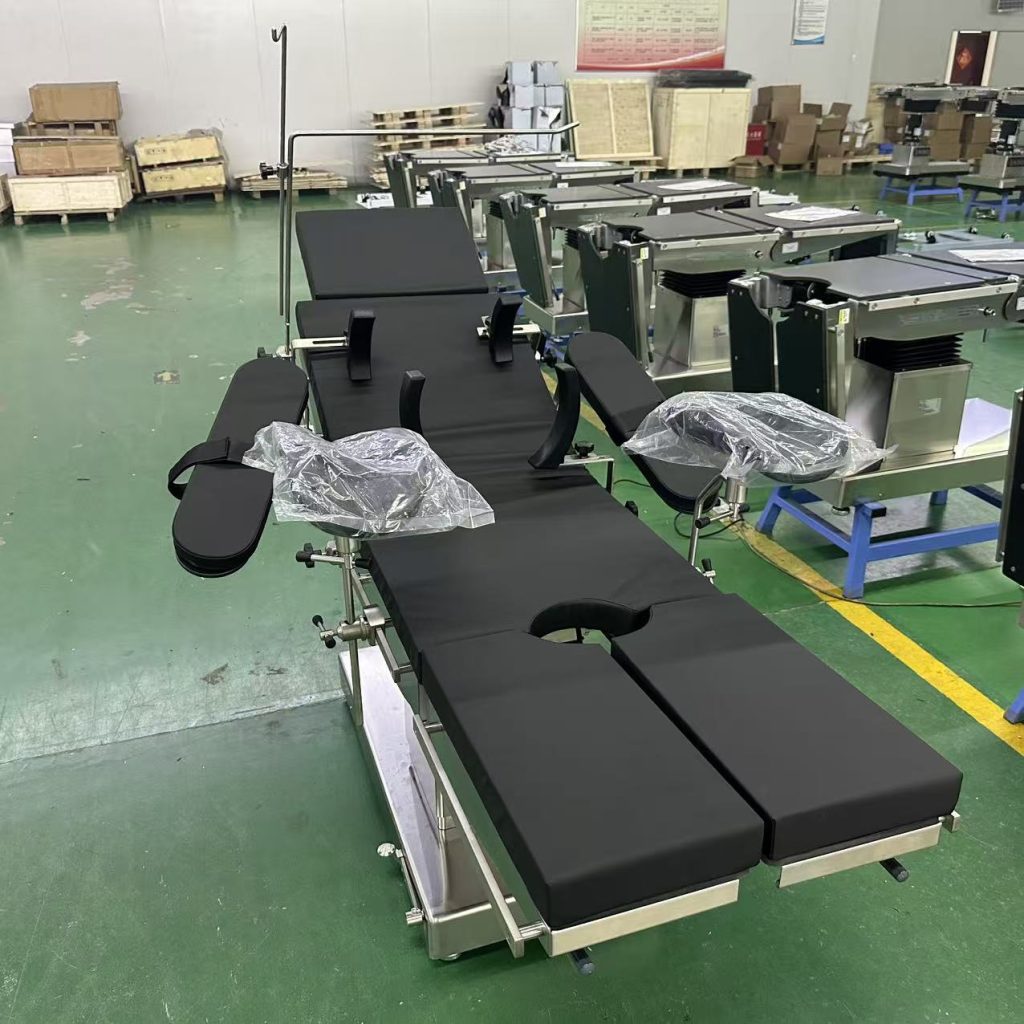
Commonly used in cushions and pads.
Benefits
- Pressure reduction
- Comfort enhancement
- Easy cleaning
Material Comparison Table
| Material | Durability | Weight | Sterilization |
|---|---|---|---|
| Stainless Steel | Excellent | Heavy | Excellent |
| Aluminum Alloy | Very Good | Light | Good |
| Polyurethane | Good | Light | Good |
High-quality materials significantly improve the performance of operating table accessories.
Choosing the Right Operating Table Accessories
Healthcare facilities should evaluate several factors before purchasing accessories.
Compatibility
Accessories must fit existing operating table systems.
Surgical Requirements
Different specialties require different accessory configurations.
Ease of Cleaning
Accessories should support infection prevention protocols.
Durability
Frequent use requires robust construction.
Selection Criteria
| Factor | Importance |
|---|---|
| Compatibility | Very High |
| Safety | Very High |
| Durability | High |
| Adjustability | High |
| Ease of Cleaning | High |
| Cost | Medium |
Selecting the right operating table accessories ensures long-term clinical and operational benefits.
Maintenance and Care
Routine maintenance helps preserve performance and patient safety.
Maintenance Recommendations
- Inspect attachment points regularly
- Check locking mechanisms
- Clean after every procedure
- Replace damaged padding
- Verify stability before use
Maintenance Schedule
| Task | Frequency |
|---|---|
| Visual Inspection | Daily |
| Cleaning & Disinfection | After each use |
| Mechanical Testing | Monthly |
| Preventive Maintenance | Annually |
Proper maintenance extends the service life of operating table accessories and reduces unexpected equipment failures.
Future Trends in Operating Table Accessories
Advances in surgical technology continue to influence accessory development.
Smart Positioning Systems
Future accessories may include automated positioning capabilities.
Carbon Fiber Components
Increasing use of carbon fiber improves imaging compatibility and reduces weight.
Integrated Sensors
Sensors may monitor patient pressure points and positioning in real time.
Robotic Surgery Integration
Accessories are being designed specifically for robotic-assisted surgical procedures.
Future Innovation Overview
| Innovation | Benefit |
|---|---|
| Smart Positioning | Greater precision |
| Carbon Fiber Design | Improved imaging |
| Pressure Monitoring | Enhanced patient safety |
| Robotic Compatibility | Future-ready operating rooms |
These innovations will further enhance the functionality of operating table accessories in advanced surgical environments.
If you need medical equipment or other services, please contact us!
Email: demanmedical@gmail.com
Phone: +86-13188819888
Facebook:https://www.facebook.com/demanmedical/
Instagram: https://www.instagram.com/deman.medical/
YouTube: https://www.youtube.com/@DEMANmedical
Conclusion
Operating table accessories are essential components of modern surgical practice. They enhance patient positioning, improve surgical access, increase safety, and support a wide variety of medical specialties. From arm boards and headrests to orthopedic traction systems and neurosurgical positioning devices, each accessory serves a specific purpose in optimizing operating room performance.
When selecting operating table accessories, healthcare facilities should focus on compatibility, durability, safety, and specialty-specific requirements. Investing in high-quality accessories not only improves surgical outcomes but also contributes to long-term operational efficiency and patient satisfaction.
As technology continues to advance, smart positioning systems, carbon fiber materials, and robotic surgery integration will further expand the capabilities of operating room equipment worldwide.
FAQ
What are operating table accessories?
Operating table accessories are additional components used to improve patient positioning, stability, and surgical access during procedures.
Why are operating table accessories important?
They enhance patient safety, improve surgical efficiency, and provide better access to the surgical site.
What are the most common operating table accessories?
Common accessories include arm boards, headrests, leg holders, shoulder supports, and anesthesia screens.
Are operating table accessories universal?
Not always. Compatibility depends on the operating table model and manufacturer.