
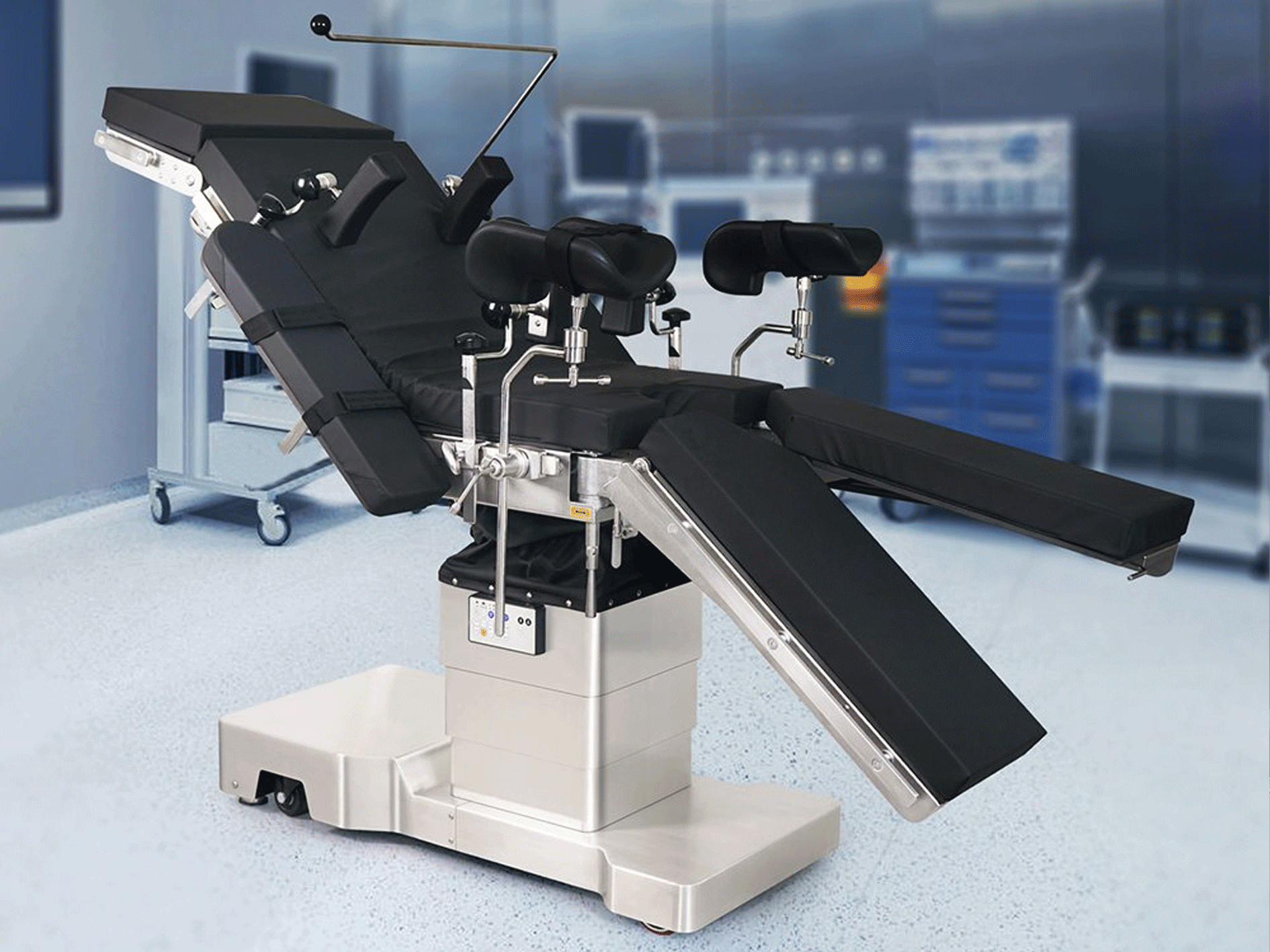

Introduction
The operating room is one of the most demanding environments in a healthcare facility. Every piece of medical equipment must deliver reliable performance, precise operation, and excellent safety to support successful surgical outcomes. Among all surgical equipment, the medical operating table plays a fundamental role because it directly supports patients throughout different types of procedures and provides surgeons with the positioning flexibility required for accurate treatment.
Modern surgery involves increasingly complex procedures that require advanced patient positioning, improved access to surgical areas, and compatibility with imaging technologies. A high-quality medical operating table is designed to meet these challenges by offering smooth height adjustment, multiple positioning options, strong stability, excellent load capacity, and compatibility with various surgical accessories.
Unlike traditional operating tables with limited manual adjustments, modern systems integrate electric control, hydraulic technology, and intelligent positioning functions. These improvements allow medical teams to quickly adjust patient positions during surgery while maintaining safety and efficiency.
For hospitals, surgical centers, and healthcare projects, choosing the right medical operating table is a long-term investment. The ideal solution should support multiple surgical specialties, reduce operating room workload, improve surgeon ergonomics, and adapt to future medical technology development.
This comprehensive guide explores the features, applications, benefits, selection criteria, and maintenance requirements of a medical operating table designed for multiple surgical procedures.
What Is a Medical Operating Table?
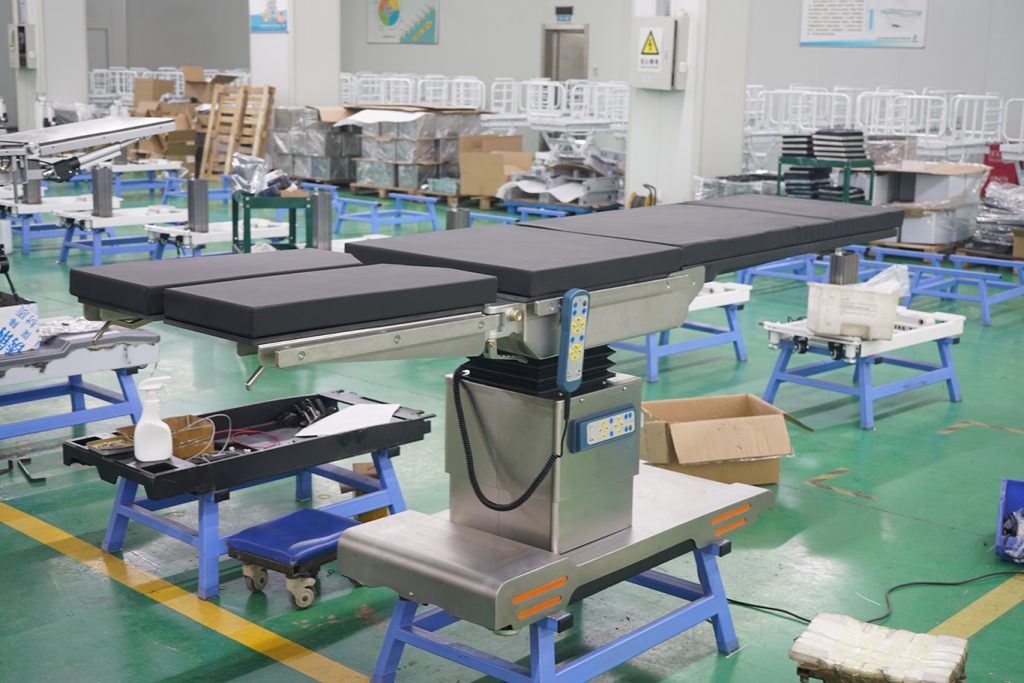
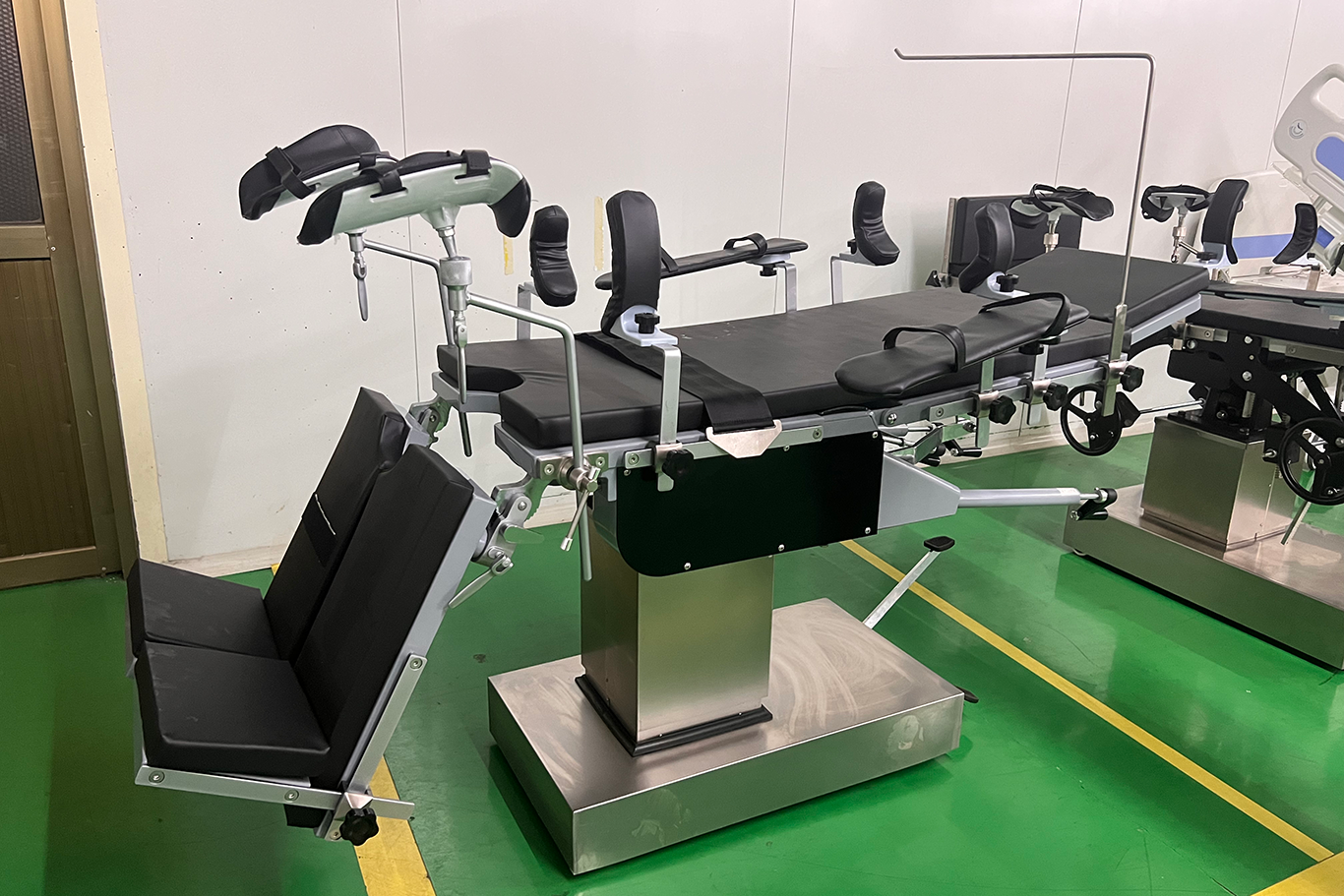
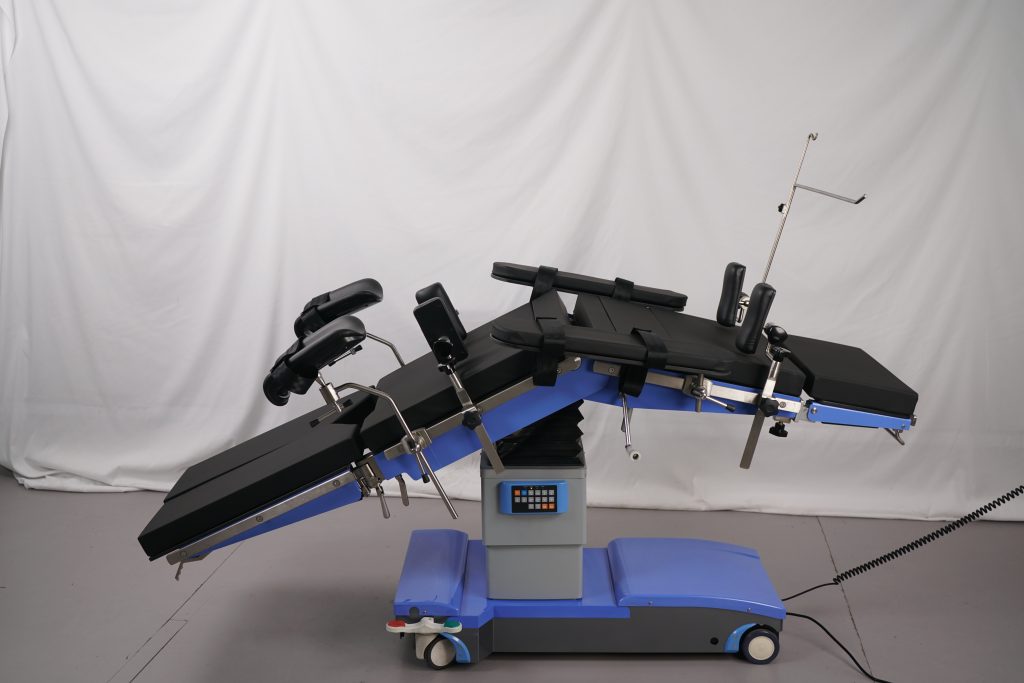
A medical operating table is a specialized surgical platform designed to safely support patients before, during, and after surgical procedures. It allows healthcare professionals to adjust patient positioning according to the requirements of different operations.
Modern models combine advanced mechanical structures with electric or hydraulic control systems to provide accurate movement and stability.
Main Components of a Medical Operating Table
| Component | Function |
|---|---|
| Tabletop | Provides patient support during surgery |
| Electric Control System | Enables precise positioning adjustments |
| Hydraulic Column | Provides smooth lifting movement |
| Base Structure | Ensures stability during procedures |
| Back Section | Supports upper body positioning |
| Leg Section | Allows lower limb adjustment |
| Head Section | Supports head positioning |
| Accessories Rails | Attach surgical accessories |
| Battery Backup | Maintains operation during power failure |
These components work together to ensure that a medical operating table can meet the requirements of various surgical procedures.
Why Hospitals Need a Multi-Functional Medical Operating Table
Modern healthcare facilities perform many types of surgeries, and each procedure requires different patient positioning. Instead of purchasing separate tables for every specialty, hospitals increasingly prefer versatile solutions.
A multi-functional medical operating table provides:
- Support for multiple surgical specialties
- Flexible patient positioning
- Improved operating room efficiency
- Reduced equipment investment
- Better space utilization
- Enhanced surgeon comfort
- Long-term cost savings
By selecting a versatile operating table, hospitals can improve equipment utilization and create more efficient surgical environments.
Key Features of a Modern Medical Operating Table
When selecting surgical equipment, hospitals should carefully evaluate technical performance and clinical requirements.
Advanced Positioning Functions
The ability to adjust patient position is one of the most important features.
A high-quality medical operating table typically supports:
- Height adjustment
- Trendelenburg position
- Reverse Trendelenburg position
- Lateral tilt
- Backrest adjustment
- Leg section movement
- Kidney bridge adjustment
- Longitudinal sliding
Common Positioning Functions
| Adjustment | Purpose |
| Height Adjustment | Improves surgeon working posture |
| Trendelenburg | Provides better access to abdominal and pelvic areas |
| Reverse Trendelenburg | Supports upper-body elevation procedures |
| Lateral Tilt | Improves surgical access |
| Back Adjustment | Positions upper body correctly |
| Leg Adjustment | Supports gynecological and urological procedures |
High Stability and Load Capacity
During surgery, even small movements can affect precision. Therefore, stability is a critical requirement.
A reliable medical operating table should provide:
- Strong structural design
- Stable base support
- High patient weight capacity
- Low vibration during movement
Load Capacity Comparison
| Table Type | Typical Capacity |
| Standard Surgical Table | 200–250 kg |
| Heavy-Duty Model | 300–400 kg |
| Advanced Surgical Table | 450 kg or More |
Higher load capacity allows hospitals to safely treat a wider range of patients.
Radiolucent Design for Imaging Procedures
Many modern surgeries require real-time imaging guidance.
A medical operating table with a radiolucent tabletop can support:
- C-arm imaging
- Fluoroscopy
- X-ray examination
- Orthopedic navigation systems
Carbon fiber tabletops are widely used because they provide excellent transparency and durability.
Electric and Hydraulic Control
Advanced operating tables combine electric controls with hydraulic systems.
Benefits include:
- Smooth movement
- Precise positioning
- Quiet operation
- Reduced manual effort
- Improved workflow
This technology allows surgical teams to adjust the table quickly without interrupting procedures.
Applications of Medical Operating Table in Different Surgical Fields
The versatility of a medical operating table makes it suitable for many specialties.
General Surgery
Used for:
- Abdominal surgery
- Gastrointestinal procedures
- Minimally invasive surgery
The table provides flexible positioning for different surgical approaches.
Orthopedic Surgery
Orthopedic procedures require strong stability and precise positioning.
Applications include:
- Joint replacement
- Trauma surgery
- Spinal surgery
- Bone fixation procedures
Neurosurgery
Neurosurgical procedures require extremely accurate patient positioning.
A stable medical operating table helps surgeons maintain precise access to delicate areas.
Cardiovascular Surgery
Long-duration cardiovascular operations require:
- Excellent stability
- Comfortable patient support
- Reliable positioning
Gynecology and Obstetrics
Used for:
- Cesarean sections
- Hysterectomy procedures
- Pelvic surgery
Urology
Supports procedures requiring:
- Lithotomy positioning
- Trendelenburg adjustment
- Imaging compatibility
Surgical Specialty Comparison
| Specialty | Required Features |
| General Surgery | Flexible positioning |
| Orthopedics | High stability |
| Neurosurgery | Precise movement |
| Cardiovascular Surgery | Long-term support |
| Gynecology | Leg positioning |
| Urology | Trendelenburg function |
Medical Operating Table Types for Healthcare Facilities
Different hospitals may require different configurations.
Standard Medical Operating Table
Suitable for general hospitals performing routine procedures.
Features:
- Reliable electric adjustment
- Good stability
- Cost-effective design
Advanced Multi-Functional Operating Table
Designed for large hospitals and surgical centers.
Features:
- Multiple adjustment functions
- Higher load capacity
- Imaging compatibility
- Advanced controls
Orthopedic Operating Table
Designed specifically for bone-related procedures.
Features:
- Traction compatibility
- High stability
- C-arm access
Gynecological Operating Table
Designed for women’s healthcare procedures.
Features:
- Adjustable leg supports
- Easy cleaning surfaces
- Specialized accessories
Medical Operating Table vs Traditional Manual Operating Table
| Feature | Medical Operating Table | Manual Operating Table |
| Control Method | Electric/Hydraulic | Manual |
| Position Accuracy | High | Moderate |
| Adjustment Speed | Fast | Slower |
| Staff Workload | Reduced | Increased |
| Surgical Flexibility | Excellent | Limited |
| Complex Surgery Support | Strong | Moderate |
The advantages of modern systems make them the preferred choice for advanced surgical environments.
Factors to Consider When Purchasing a Medical Operating Table
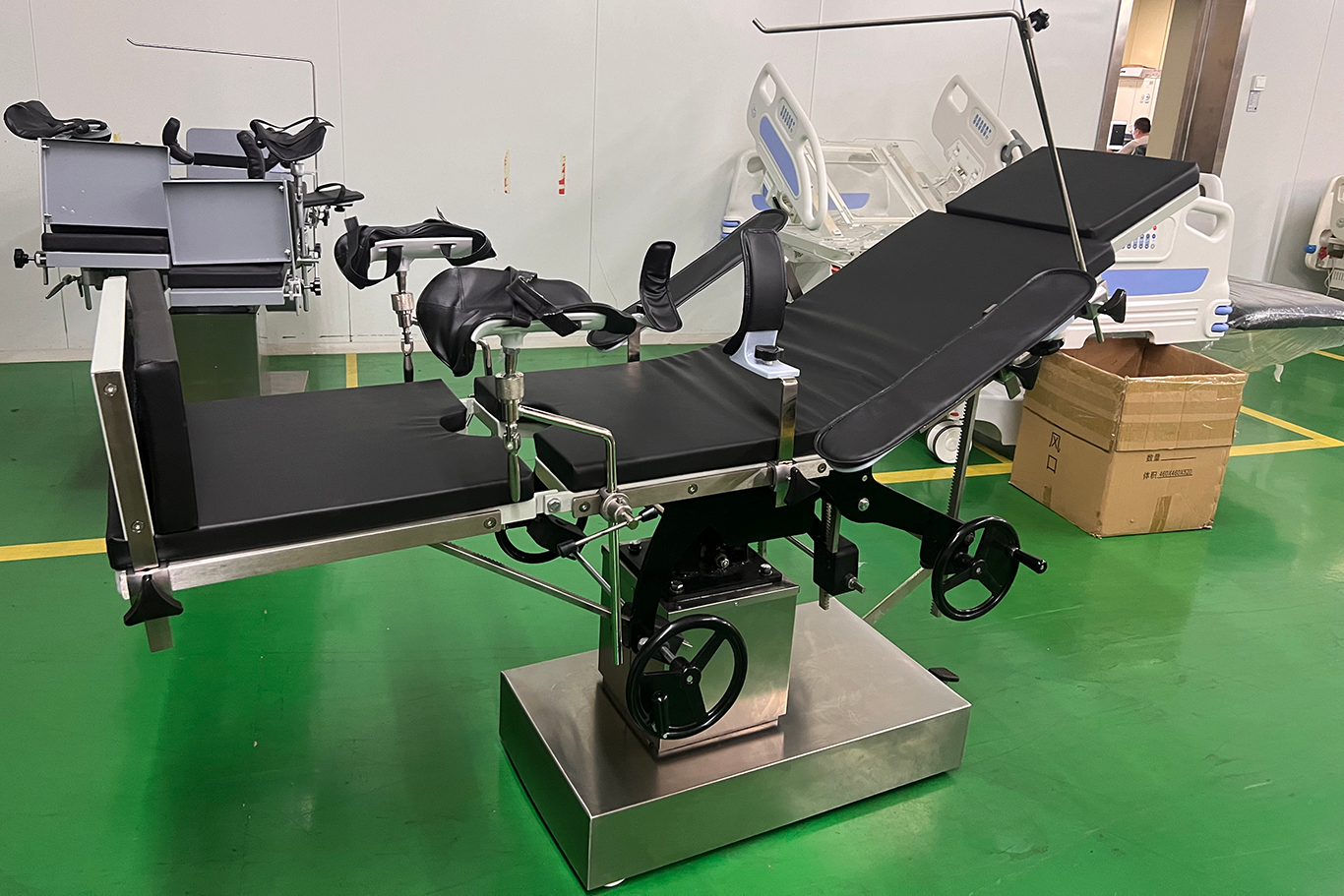
Hospitals should evaluate several important factors before making a purchase decision.
Surgical Requirements
Consider:
- Types of procedures performed
- Number of operating rooms
- Expected patient volume
- Future expansion plans
Safety Features
Important safety functions include:
- Emergency stop system
- Battery backup
- Anti-collision design
- Secure locking mechanism
- Overload protection
Accessory Compatibility
A versatile medical operating table should support accessories such as:
- Arm supports
- Headrests
- Leg holders
- Orthopedic attachments
- Neurosurgical accessories
Manufacturer Reliability
Hospitals should evaluate suppliers based on:
- ISO 13485 certification
- CE certification
- Product testing
- Manufacturing experience
- Technical support
- Warranty service
Installation and Maintenance Guide
Proper installation and maintenance are essential for long-term performance.
Installation Requirements
| Requirement | Importance |
| Stable Floor Structure | Ensures safe operation |
| Proper Electrical Connection | Supports reliable movement |
| Adequate Room Space | Allows full adjustment |
| Professional Installation | Prevents equipment issues |
Maintenance Schedule
| Maintenance Task | Frequency |
| Clean table surface | After each surgery |
| Inspect accessories | Weekly |
| Check movement system | Monthly |
| Test electrical functions | Quarterly |
| Professional servicing | Annually |
Regular maintenance improves reliability and extends equipment lifespan.
Future Trends of Medical Operating Table Technology
Medical equipment continues to become smarter and more connected.
Future developments include:
- AI-assisted patient positioning
- Wireless control systems
- Automatic positioning memory
- Integrated patient monitoring
- Smart operating room connectivity
- Remote equipment diagnostics
- Data-based maintenance management
These technologies will further improve surgical efficiency and patient safety.
How to Select the Right Manufacturer
Choosing the right supplier is essential for healthcare projects.
A professional manufacturer should provide:
- Advanced production facilities
- Strict quality control
- International certifications
- Customization options
- Technical training
- Installation guidance
- Spare parts support
- Long-term after-sales service
A reliable supplier helps hospitals achieve better performance and lower ownership costs.
If you need medical equipment or other services, please contact us!
Email: demanmedical@gmail.com
Phone: +86-13188819888
Facebook:https://www.facebook.com/demanmedical/
Instagram: https://www.instagram.com/deman.medical/
YouTube: https://www.youtube.com/@DEMANmedical
Conclusion
A medical operating table is a vital component of every modern surgical environment. Its ability to provide precise positioning, strong stability, and multi-specialty compatibility makes it an essential investment for hospitals and healthcare facilities.
When selecting a medical operating table, healthcare decision-makers should consider surgical requirements, adjustment functions, load capacity, imaging compatibility, safety features, maintenance needs, and supplier reliability. The right choice can improve operating room efficiency, enhance surgeon comfort, and support better patient outcomes.
As surgical procedures continue to become more advanced, the demand for intelligent, flexible, and reliable operating tables will continue to grow. Investing in high-quality surgical equipment today allows healthcare facilities to build safer, more efficient, and future-ready operating environments.
FAQ
What is a medical operating table?
A medical operating table is a specialized surgical platform designed to support patients and provide adjustable positioning during surgical procedures.
What surgeries can use a medical operating table?
It can be used for general surgery, orthopedic surgery, neurosurgery, cardiovascular surgery, gynecology, urology, and many other surgical procedures.
What are the advantages of an electric medical operating table?
It provides precise adjustment, smooth movement, reduced staff workload, better patient positioning, and improved surgical efficiency.
How much weight can a medical operating table support?
Depending on the model, modern operating tables can typically support 200 kg to more than 450 kg.
Can a medical operating table work with imaging equipment?
Yes. Many models feature radiolucent tabletops compatible with C-arm, X-ray, and fluoroscopy systems.