

Introduction
Selecting the right lighting system is one of the most important decisions when equipping a modern operating room. Surgeons rely on clear, stable, and shadow-free illumination to perform procedures with precision, while hospitals seek equipment that offers reliability, energy efficiency, and long-term value. As LED technology has become the industry standard, the led shadowless operating lamp has replaced traditional halogen surgical lights in most healthcare facilities around the world.
A high-quality led shadowless operating lamp provides bright, uniform illumination that minimizes shadows created by surgeons, instruments, or medical equipment. It also offers excellent color rendering, adjustable color temperature, low heat generation, and a significantly longer service life than conventional lighting systems. These advantages improve surgical accuracy, reduce eye fatigue, and help create a safer operating environment.
However, purchasing a surgical lighting system is not as simple as comparing brightness levels. Hospitals, distributors, and healthcare project contractors should evaluate optical performance, mechanical design, installation requirements, maintenance costs, certifications, and after-sales support before making an investment.
This comprehensive buying guide explains everything you need to know before purchasing a led shadowless operating lamp. Whether you are building a new hospital, upgrading an operating room, or sourcing equipment for an international healthcare project, this guide will help you choose the right solution for your clinical and business needs.
What Is a LED Shadowless Operating Lamp?
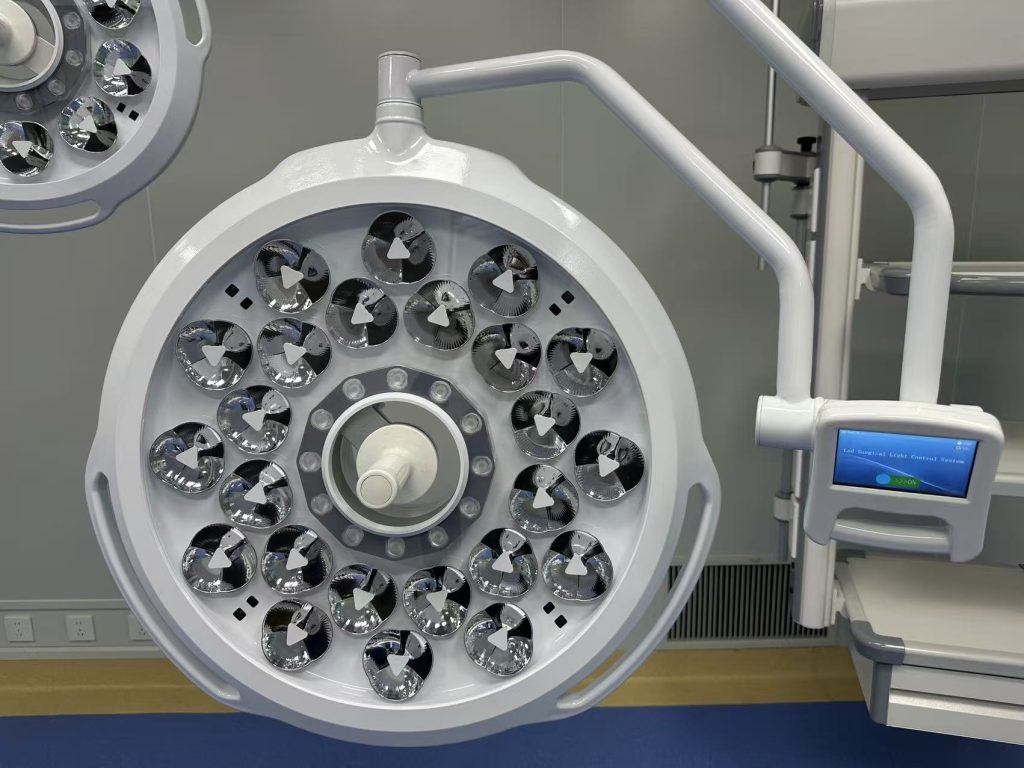
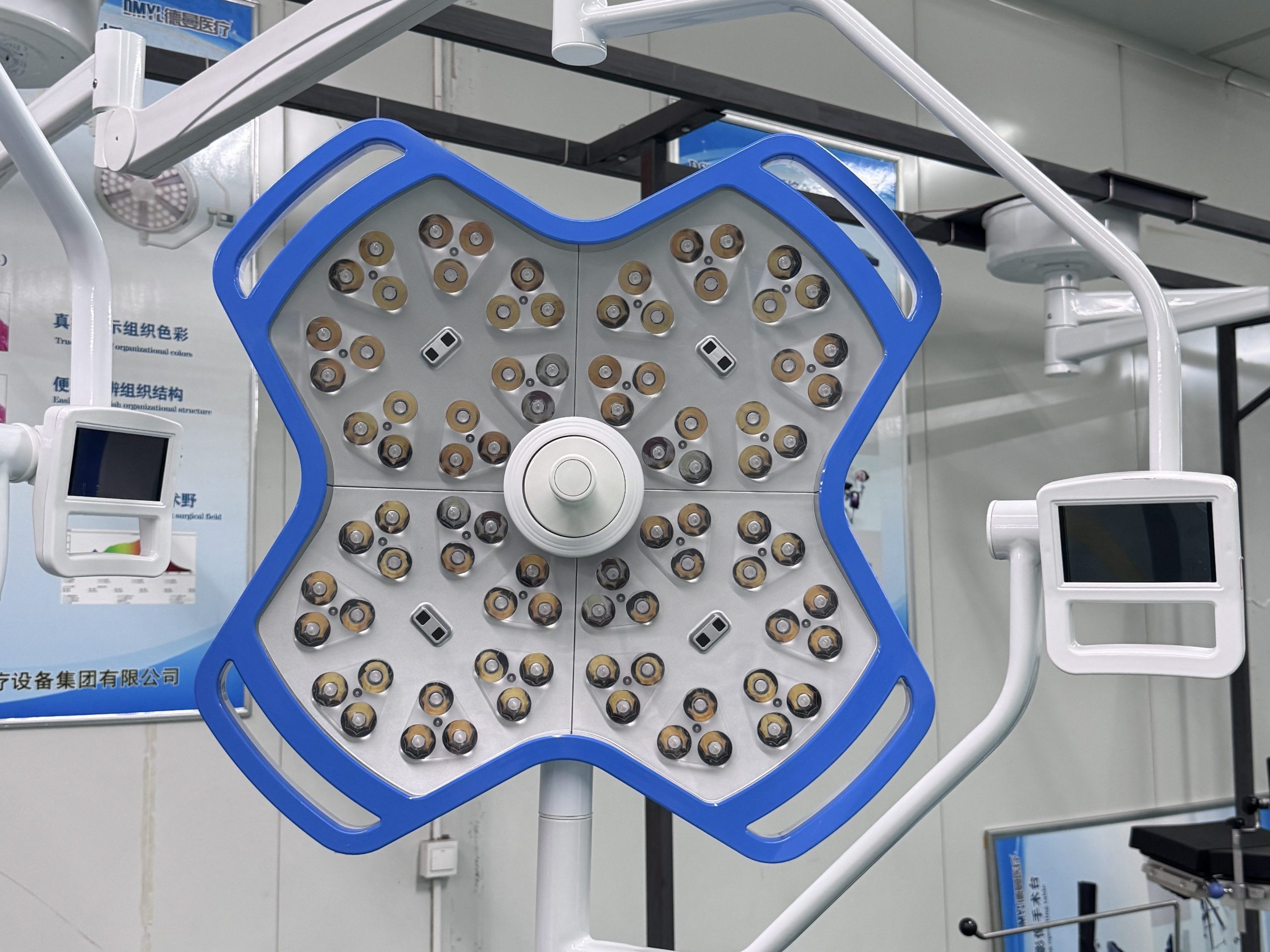
A led shadowless operating lamp is a specialized medical lighting device designed to provide intense, uniform, and shadow-reduced illumination for surgical procedures. Instead of using traditional halogen bulbs, it employs multiple high-efficiency LED light sources arranged to create overlapping beams of light. This optical design minimizes shadows while maintaining consistent brightness across the surgical field.
The “shadowless” effect does not eliminate shadows completely but greatly reduces them by illuminating the surgical area from multiple angles. This allows surgeons to maintain a clear view even when their hands or instruments partially block the light.
Main Components
| Component | Function |
|---|---|
| LED Modules | Produce high-intensity illumination |
| Optical Lens System | Distributes light evenly |
| Light Head | Houses LEDs and optical components |
| Suspension Arm | Enables flexible positioning |
| Sterile Handle | Allows adjustment during surgery |
| Control Panel | Controls brightness and color temperature |
| Heat Dissipation System | Protects LEDs and maintains performance |
| Power Supply | Ensures stable electrical operation |
Each component contributes to the overall performance and reliability of the led shadowless operating lamp.
Why Choose a LED Shadowless Operating Lamp?
Hospitals worldwide have shifted from halogen lamps to LED technology because of its superior performance.
Key Advantages
- High illumination intensity
- Excellent shadow reduction
- Low heat generation
- High color rendering accuracy
- Long LED lifespan
- Energy-efficient operation
- Reduced maintenance costs
- Stable brightness throughout procedures
These benefits improve surgical outcomes while lowering long-term operating expenses.
Key Performance Factors to Consider Before Buying
When comparing different models, buyers should evaluate the following technical specifications.
Illumination Intensity
Illumination is measured in lux and determines how clearly surgeons can visualize the operating field.
Recommended Illumination Levels
| Surgical Application | Recommended Lux |
|---|---|
| Minor Procedures | 60,000–100,000 lux |
| General Surgery | 100,000–140,000 lux |
| Complex Surgery | 140,000–160,000 lux |
A premium led shadowless operating lamp should provide adjustable illumination to accommodate different surgical specialties.
Color Rendering Index (CRI)
The Color Rendering Index indicates how accurately colors appear under artificial lighting.
CRI Guide
| CRI Value | Performance |
|---|---|
| Below 85 | Basic visibility |
| 85–89 | Standard medical lighting |
| 90–94 | Excellent surgical performance |
| Above 95 | Premium tissue recognition |
A CRI above 90 is generally recommended for modern operating rooms.
Adjustable Color Temperature
Different procedures may require different lighting characteristics.
| Color Temperature | Clinical Benefit |
|---|---|
| 3500K | Warm light for reduced eye fatigue |
| 4000K | Natural tissue appearance |
| 4500K | Standard surgical lighting |
| 5000K | Enhanced contrast |
| 5500K | Bright white illumination |
An adjustable led shadowless operating lamp gives surgeons greater flexibility.
Shadow Reduction Performance
Shadow control is one of the defining characteristics of this type of surgical lighting.
Modern systems reduce shadows through:
- Multi-point LED arrays
- Precision optical lenses
- Overlapping light beams
- Optimized reflector design
This ensures stable illumination even when multiple surgeons are working simultaneously.
Light Field Diameter and Depth
The light field should provide:
- Uniform brightness
- Wide coverage
- Deep illumination
- Consistent focus
These characteristics are especially important during deep cavity procedures.
Heat Management
LED technology generates significantly less heat than halogen lighting.
Benefits include:
- Increased surgeon comfort
- Reduced tissue drying
- Lower operating room temperature
- Longer LED lifespan
Efficient heat dissipation also improves system reliability.
Types of LED Shadowless Operating Lamp
Different healthcare facilities require different configurations.
Ceiling-Mounted Models
Best suited for:
- Large operating rooms
- High-volume hospitals
- Multi-specialty surgical centers
Advantages:
- Maximum flexibility
- Full 360° positioning
- Space-saving design
Double Dome Systems
Used for:
- Major surgical procedures
- Complex operations
- Large surgical teams
Advantages:
- Larger illumination area
- Better redundancy
- Improved shadow reduction
Mobile Models
Ideal for:
- Emergency departments
- Outpatient clinics
- Procedure rooms
- Temporary operating areas
Advantages:
- Easy transportation
- No ceiling installation
- Flexible use
Wall-Mounted Models
Suitable for:
- Small procedure rooms
- Examination areas
- Limited spaces
Applications Across Surgical Specialties
The led shadowless operating lamp is widely used across different medical disciplines.
General Surgery
Provides uniform illumination for abdominal and gastrointestinal procedures.
Orthopedic Surgery
Supports bone, joint, and trauma operations requiring deep illumination.
Neurosurgery
Offers excellent color accuracy and precise lighting control.
Cardiovascular Surgery
Provides stable brightness during lengthy procedures.
Gynecology and Obstetrics
Supports cesarean sections, pelvic surgery, and minimally invasive procedures.
Plastic Surgery
Enables accurate visualization of skin tone and soft tissue.
Application Comparison
| Specialty | Lighting Requirement |
|---|---|
| General Surgery | Uniform illumination |
| Orthopedics | Deep light penetration |
| Neurosurgery | High CRI and precision |
| Cardiovascular Surgery | Stable long-duration lighting |
| Gynecology | Flexible positioning |
| Plastic Surgery | Accurate color rendering |
LED Shadowless Operating Lamp vs Halogen Surgical Lamp
| Feature | LED Shadowless Operating Lamp | Halogen Lamp |
|---|---|---|
| Energy Efficiency | Excellent | Low |
| Heat Output | Very Low | High |
| Lifespan | 50,000–100,000 Hours | 1,000–2,000 Hours |
| Maintenance | Minimal | Frequent bulb replacement |
| Color Accuracy | Excellent | Moderate |
| Shadow Reduction | Advanced | Limited |
This comparison highlights why LED technology has become the preferred choice in modern operating rooms.
Installation Considerations
Proper installation is essential for optimal performance.
Before installation, hospitals should evaluate:
- Ceiling load-bearing capacity
- Operating room dimensions
- Electrical infrastructure
- Surgical table position
- Airflow system compatibility
- Equipment layout
Installation Checklist
| Item | Requirement |
|---|---|
| Ceiling Structure | Reinforced and load-tested |
| Power Supply | Medical-grade electrical circuit |
| Clearance | Full arm movement |
| Positioning | Complete surgical field coverage |
| Safety Inspection | Completed before operation |
Professional installation ensures safety and long-term reliability.
Maintenance Tips for Long-Term Performance
Routine maintenance keeps the led shadowless operating lamp operating efficiently.
Daily Maintenance
- Clean lamp housing
- Disinfect sterile handles
- Remove dust from lenses
Monthly Maintenance
- Check arm balance
- Inspect LED performance
- Verify control panel operation
Annual Maintenance
- Electrical inspection
- Mechanical adjustment
- Optical calibration
- Safety testing
Maintenance Schedule
| Maintenance Task | Frequency |
|---|---|
| Surface cleaning | Daily |
| Handle disinfection | After each procedure |
| Mechanical inspection | Monthly |
| Brightness testing | Quarterly |
| Professional servicing | Annually |
Preventive maintenance extends equipment life and reduces downtime.
How to Choose the Right Supplier
Selecting the right manufacturer is as important as choosing the product itself.
Healthcare buyers should evaluate suppliers based on:
- ISO 13485 certification
- CE certification
- FDA registration (where applicable)
- Manufacturing experience
- Research and development capability
- OEM and ODM services
- Spare parts availability
- Warranty coverage
- Global export experience
- Technical support
A trusted supplier ensures product quality, regulatory compliance, and reliable after-sales service.
Future Trends in LED Surgical Lighting
The next generation of operating room lighting is becoming increasingly intelligent.
Emerging technologies include:
- AI-assisted brightness adjustment
- Automatic shadow compensation
- Gesture-controlled operation
- Voice activation
- Integrated 4K surgical cameras
- Wireless system diagnostics
- IoT-enabled maintenance
- Smart operating room integration
These innovations will further improve surgical efficiency and user experience.
Common Buying Mistakes to Avoid
Many buyers focus only on price, overlooking factors that affect long-term value.
Avoid these common mistakes:
- Choosing insufficient illumination levels
- Ignoring CRI specifications
- Overlooking installation requirements
- Purchasing without verifying certifications
- Neglecting warranty and spare parts availability
- Selecting suppliers with limited technical support
Evaluating total ownership cost instead of purchase price alone leads to better investment decisions.
If you need medical equipment or other services, please contact us!
Email: demanmedical@gmail.com
Phone: +86-13188819888
Facebook:https://www.facebook.com/demanmedical/
Instagram: https://www.instagram.com/deman.medical/
YouTube: https://www.youtube.com/@DEMANmedical
Conclusion
A led shadowless operating lamp is one of the most important investments for any modern operating room. Its ability to provide bright, uniform, and shadow-reduced illumination significantly improves surgical precision, enhances patient safety, and creates a more comfortable working environment for medical teams.
When purchasing a led shadowless operating lamp, buyers should carefully evaluate illumination intensity, CRI, color temperature, shadow control, heat management, installation requirements, maintenance needs, and supplier capabilities. Choosing a reliable manufacturer with strong certifications and after-sales support is equally important for ensuring long-term performance.
As hospitals continue to modernize and adopt smart operating room technologies, LED surgical lighting systems will play an even greater role in supporting advanced surgical procedures and improving healthcare quality. Investing in the right solution today helps healthcare facilities achieve greater efficiency, lower operating costs, and better clinical outcomes for years to come.
FAQ
What is a led shadowless operating lamp?
A led shadowless operating lamp is a medical lighting system that uses multiple LED light sources to provide bright, uniform, and shadow-reduced illumination during surgical procedures.
What illumination level should a led shadowless operating lamp provide?
Most modern surgical lamps offer adjustable illumination between 80,000 and 160,000 lux, depending on the type of procedure and clinical requirements.
Why is CRI important when selecting a surgical lamp?
A high Color Rendering Index allows surgeons to distinguish tissues, blood vessels, and organs more accurately, improving precision during surgery.
Which installation type is best for a hospital?
Ceiling-mounted systems are generally preferred for operating rooms because they provide maximum flexibility, save floor space, and allow unrestricted positioning. Mobile models are ideal for emergency departments, outpatient clinics, and temporary procedure rooms.
What should hospitals consider before purchasing a led shadowless operating lamp?
Hospitals should evaluate illumination intensity, shadow reduction capability, color rendering, color temperature, installation requirements, certifications, warranty coverage, maintenance costs, and the manufacturer’s technical support to ensure the system meets both current and future surgical needs.