

Introduction
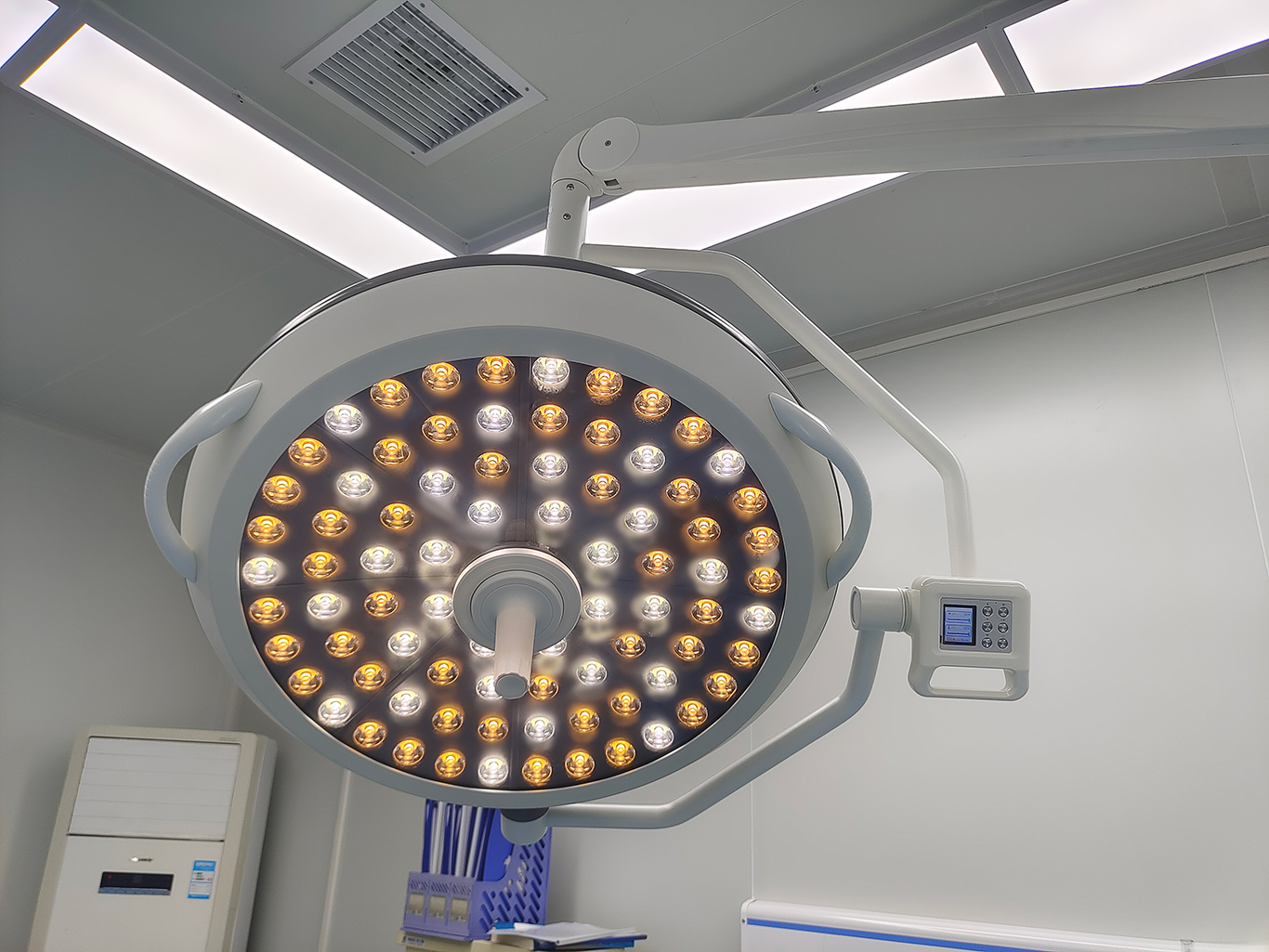
Choosing the right surgical lighting is one of the most important decisions hospitals, outpatient centers, and clinics can make when equipping an operating room or treatment area. High-quality illumination directly affects surgical precision, patient safety, and the overall efficiency of medical procedures. While ceiling-mounted operating lights remain the standard in many large hospitals, the mobile surgical light has become an increasingly popular solution due to its flexibility, affordability, and ease of installation.
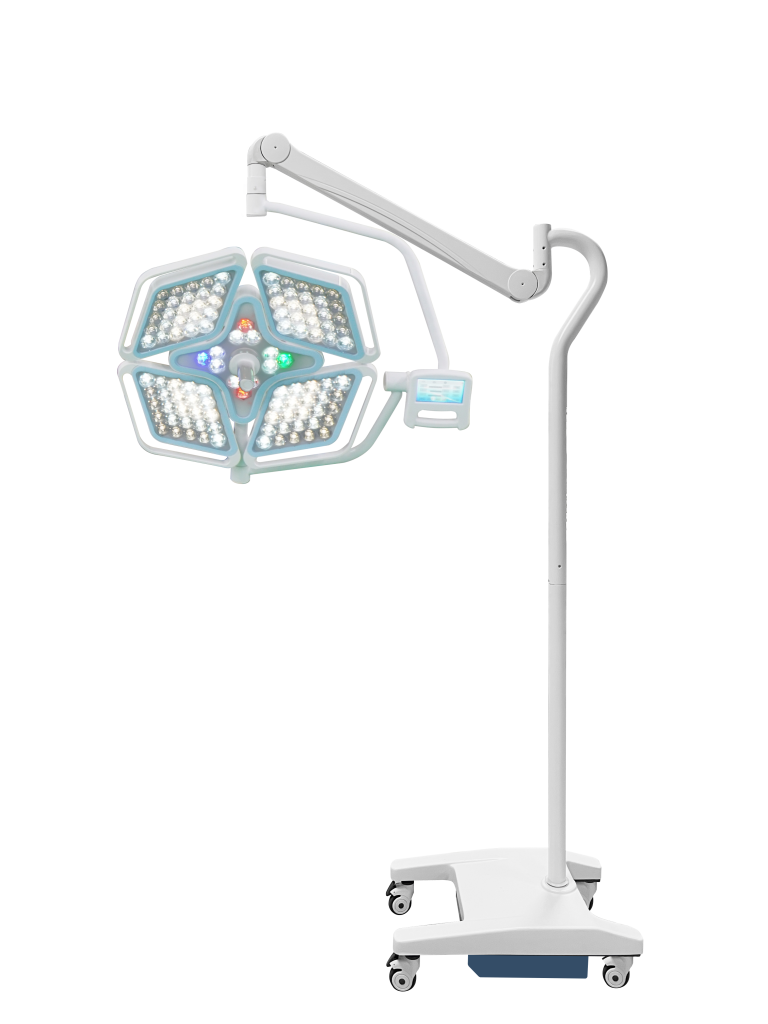
A mobile surgical light is designed with a movable base, adjustable arm, and high-performance LED light source, allowing healthcare professionals to position the light exactly where it is needed. These systems are widely used in operating rooms, emergency departments, outpatient surgery centers, dental clinics, veterinary hospitals, and mobile healthcare units. They are particularly valuable in facilities where ceiling installation is not possible or where multiple treatment rooms require a portable lighting solution.
However, selecting the best mobile surgical light involves much more than comparing prices. Buyers should carefully evaluate factors such as illumination intensity, shadow control, color rendering, color temperature, maneuverability, power efficiency, durability, maintenance requirements, and compliance with international medical standards.
This comprehensive buying guide explores the key factors healthcare facilities should consider when purchasing a mobile surgical light, helping medical professionals make informed decisions that improve surgical performance and long-term operational value.
What Is a Mobile Surgical Light?
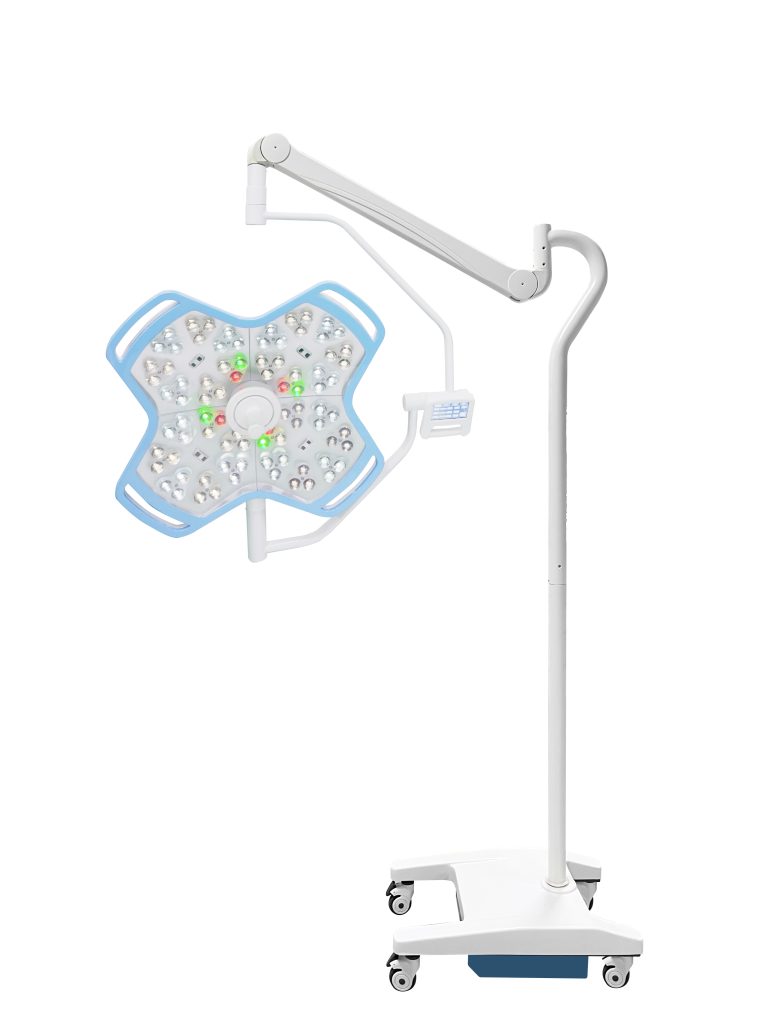
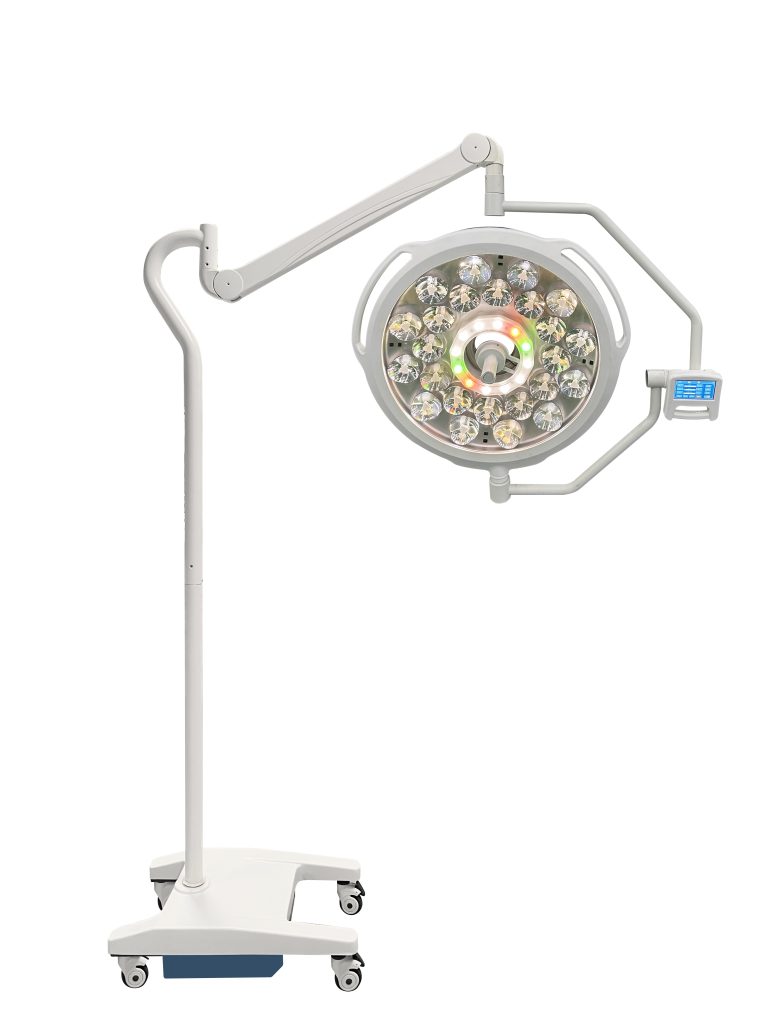
A mobile surgical light is a portable medical lighting system designed to provide bright, focused, and shadow-reduced illumination during surgical procedures and medical examinations. Unlike ceiling-mounted or wall-mounted lights, it is installed on a wheeled base, making it easy to move between rooms or reposition during procedures.
Most modern models use advanced LED technology, offering long service life, low heat generation, and adjustable brightness. They are ideal for facilities that require flexible lighting without permanent installation.
Main Components
| Component | Function |
|---|---|
| LED Light Head | Produces high-intensity surgical illumination |
| Spring Arm | Enables flexible positioning |
| Mobile Base | Provides stability and portability |
| Lockable Casters | Secure the unit during procedures |
| Control Panel | Adjusts brightness and color temperature |
| Sterile Handle | Allows safe repositioning |
| Power Supply | Delivers reliable electrical power |
Together, these components ensure that a mobile surgical light delivers consistent performance in various clinical environments.
Why Healthcare Facilities Choose a Mobile Surgical Light
The popularity of the mobile surgical light continues to grow because it offers significant practical advantages over fixed lighting systems.
Key Benefits
- Easy installation without ceiling modification
- Flexible positioning for multiple treatment rooms
- Lower installation costs
- Suitable for temporary operating rooms
- Ideal for emergency and field hospitals
- Energy-efficient LED technology
- Reduced maintenance requirements
These advantages make the mobile surgical light an excellent investment for healthcare facilities of all sizes.
Key Factors to Consider Before Buying a Mobile Surgical Light
Purchasing the right lighting system requires careful evaluation of both technical performance and clinical needs.
Illumination Intensity
Brightness is one of the most important specifications.
Most professional mobile surgical light systems provide illumination ranging from 40,000 to 160,000 lux.
Higher illumination is recommended for major surgical procedures, while lower levels may be sufficient for examinations and minor treatments.
Recommended Illumination Levels
| Clinical Application | Recommended Lux |
|---|---|
| Examination Room | 30,000–60,000 lux |
| Minor Procedures | 60,000–100,000 lux |
| General Surgery | 100,000–140,000 lux |
| Complex Surgery | 140,000–160,000 lux |
Adjustable brightness allows a single mobile surgical light to support multiple clinical applications.
Shadow Reduction Performance
One of the defining characteristics of a quality mobile surgical light is its ability to minimize shadows.
Modern LED systems use multiple light sources and precision optics to maintain consistent illumination even when surgeons’ hands or instruments partially block the light.
Effective shadow compensation improves visibility and surgical accuracy.
Color Rendering Index (CRI)
CRI measures how accurately colors appear under artificial lighting.
A CRI of 90 or higher is recommended for surgical applications because it allows surgeons to distinguish tissues, blood vessels, and organs more accurately.
| CRI Value | Performance |
|---|---|
| Below 85 | Basic visibility |
| 85–89 | Acceptable |
| 90–94 | Excellent |
| Above 95 | Premium surgical quality |
Adjustable Color Temperature
Different procedures require different lighting conditions.
Most premium mobile surgical light systems allow users to adjust color temperature between 3,500 K and 5,500 K.
| Color Temperature | Clinical Benefit |
|---|---|
| 3,500 K | Warm light, reduced eye fatigue |
| 4,000 K | Natural tissue appearance |
| 4,500 K | Standard operating room setting |
| 5,000 K | Enhanced tissue contrast |
| 5,500 K | Bright white illumination |
Mobility and Maneuverability
Since portability is the primary advantage of a mobile surgical light, the design of the base and wheels is extremely important.
Look for features such as:
- Smooth-rolling medical-grade casters
- Locking wheel system
- Compact base design
- Stable center of gravity
- Easy movement in narrow spaces
High-quality mobility improves workflow efficiency throughout the healthcare facility.
Arm Flexibility and Positioning
The suspension arm should allow effortless movement while maintaining precise positioning.
Ideal features include:
- Multi-joint arm design
- 360-degree rotation
- Adjustable height
- Smooth balancing system
- Drift-free positioning
Proper positioning ensures the light remains focused throughout the procedure.
LED Lifespan
LED technology significantly reduces maintenance costs.
Most premium mobile surgical light models provide an operational lifespan between 50,000 and 100,000 hours.
Long-lasting LEDs reduce replacement frequency and minimize downtime.
Heat Management
Traditional halogen lamps generate significant heat.
Modern LED-based mobile surgical light systems produce minimal infrared radiation, offering several advantages:
- Improved surgeon comfort
- Reduced tissue dehydration
- Lower operating room temperature
- Increased patient comfort
Applications of Mobile Surgical Light
The flexibility of a mobile surgical light makes it suitable for numerous healthcare settings.
General Surgery
Provides reliable illumination for routine surgical procedures.
Emergency Departments
Offers rapid deployment during emergency treatment.
Outpatient Surgery Centers
Supports same-day surgical procedures without permanent installations.
Intensive Care Units
Improves bedside procedures requiring focused lighting.
Dental Clinics
Enhances visibility during oral examinations and treatments.
Veterinary Hospitals
Supports animal surgery and diagnostic procedures.
Mobile Medical Units
Ideal for temporary healthcare facilities and disaster relief operations.
Clinical Application Comparison
| Facility | Recommended Usage |
|---|---|
| Hospital Operating Room | Major and minor surgery |
| Outpatient Clinic | Minor procedures |
| Emergency Room | Trauma treatment |
| ICU | Bedside procedures |
| Dental Clinic | Dental surgery |
| Veterinary Clinic | Animal surgery |
Mobile Surgical Light vs Ceiling-Mounted Surgical Light
| Feature | Mobile Surgical Light | Ceiling-Mounted Light |
|---|---|---|
| Installation | Simple | Complex |
| Mobility | Excellent | Fixed |
| Cost | Lower | Higher |
| Flexibility | High | Medium |
| Space Requirement | Minimal | Ceiling structure required |
| Maintenance | Easy | Moderate |
For facilities requiring flexibility and cost-effective deployment, a mobile surgical light is often the preferred solution.
Maintenance and Cleaning
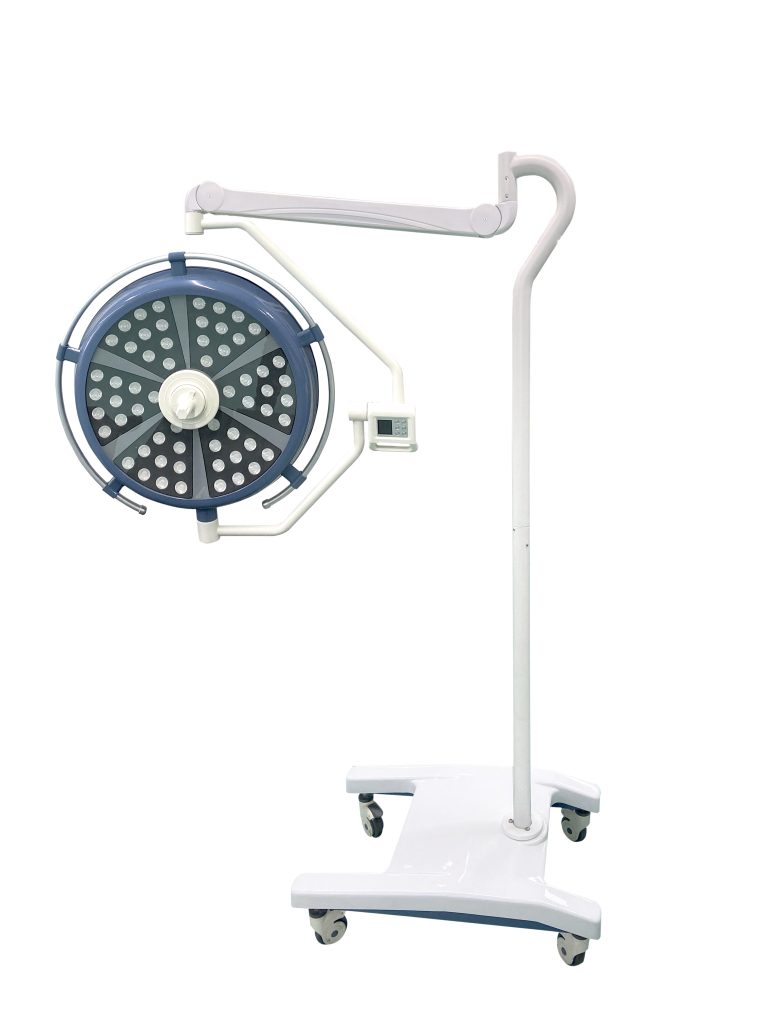
Routine maintenance ensures optimal performance and extends equipment lifespan.
Maintenance Schedule
| Maintenance Task | Frequency |
|---|---|
| Clean lamp housing | Daily |
| Sterilize handles | After every procedure |
| Check wheel locks | Weekly |
| Inspect arm movement | Monthly |
| Verify illumination | Quarterly |
| Electrical safety inspection | Annually |
Preventive maintenance reduces unexpected downtime and protects the investment.
How to Choose a Reliable Manufacturer
Selecting the right supplier is just as important as choosing the right product.
Healthcare buyers should consider:
- ISO 13485 certification
- CE certification
- Manufacturing experience
- Research and development capability
- OEM/ODM services
- Product warranty
- Spare parts availability
- Technical support
- Global export experience
- After-sales service
A reputable manufacturer ensures long-term reliability and dependable support.
Future Trends in Mobile Surgical Light Technology
Medical lighting continues to evolve rapidly.
Emerging innovations include:
- AI-assisted brightness adjustment
- Automatic shadow compensation
- Touchless gesture controls
- Wireless battery-powered systems
- Integrated HD surgical cameras
- IoT-enabled diagnostics
- Smart energy management
- Digital operating room integration
These technologies will make the next generation of mobile surgical light systems even more intelligent and efficient.
If you need medical equipment or other services, please contact us!
Email: demanmedical@gmail.com
Phone: +86-13188819888
Facebook:https://www.facebook.com/demanmedical/
Instagram: https://www.instagram.com/deman.medical/
YouTube: https://www.youtube.com/@DEMANmedical
Conclusion
A mobile surgical light is an essential lighting solution for healthcare facilities seeking flexibility, portability, and reliable surgical illumination. Compared with fixed lighting systems, it offers significant advantages in mobility, ease of installation, and cost-effectiveness while still delivering the high-performance lighting required for modern medical procedures.
When evaluating a mobile surgical light, buyers should carefully consider illumination intensity, shadow reduction, color rendering, color temperature, arm flexibility, mobility, LED lifespan, heat management, and manufacturer support. These factors directly influence clinical performance, user satisfaction, and long-term operating costs.
As healthcare facilities continue to modernize and expand, portable LED lighting systems will remain an indispensable part of operating rooms, outpatient clinics, emergency departments, and mobile medical units. Investing in a high-quality mobile surgical light today helps ensure safer procedures, greater efficiency, and improved patient outcomes for years to come.
FAQ
What is a mobile surgical light used for?
A mobile surgical light is used to provide bright, adjustable, and portable illumination for surgeries, examinations, emergency procedures, and clinical treatments.
Why choose a mobile surgical light instead of a ceiling-mounted light?
It offers greater flexibility, lower installation costs, easy mobility between rooms, and is ideal for facilities where permanent ceiling installation is not practical.
What illumination level should a mobile surgical light provide?
Most high-quality systems offer adjustable illumination between 40,000 and 160,000 lux, depending on the intended medical application.
How long does an LED mobile surgical light last?
Premium LED systems typically provide a service life of 50,000 to 100,000 hours, reducing maintenance and replacement costs.
What certifications should I look for when purchasing a mobile surgical light?
Look for products manufactured under ISO 13485 quality management systems and certified with CE or other applicable medical device standards for your target market.