

Introduction
Advancements in modern medicine have transformed surgical procedures into highly precise and minimally invasive operations. Behind every successful surgery is a combination of skilled surgeons, sophisticated medical equipment, and a well-designed operating room environment. Among these essential elements, medical illumination surgical lights play a pivotal role in ensuring optimal visibility throughout every stage of a procedure.
Unlike conventional lighting systems, medical illumination surgical lights are specifically engineered to deliver bright, uniform, and shadow-free illumination directly to the surgical field. They enable surgeons to distinguish subtle tissue differences, accurately identify blood vessels and nerves, and maintain visual clarity during long and complex operations. As healthcare facilities increasingly adopt digital operating rooms and advanced surgical technologies, the demand for intelligent LED surgical lighting continues to rise.
Whether performing general surgery, neurosurgery, orthopedic procedures, cardiovascular interventions, or minimally invasive operations, reliable surgical illumination contributes directly to clinical accuracy, patient safety, and operating room efficiency.
This comprehensive guide explores how medical illumination surgical lights improve surgery, examines their technologies, compares different lighting systems, highlights clinical applications, and provides practical guidance for hospitals planning to upgrade their operating room lighting solutions.
Why Surgical Lighting Matters in Modern Healthcare
Every surgical procedure depends on excellent visualization. Even the most experienced surgeon cannot perform accurately without clear illumination.
Medical illumination surgical lights provide consistent brightness, minimize shadows, reduce eye fatigue, and improve overall surgical precision.
Benefits of High-Quality Surgical Lighting
- Improved visualization of anatomical structures
- Better identification of blood vessels and nerves
- Reduced surgical errors
- Enhanced surgeon comfort
- Lower patient risk
- Increased operating room efficiency
- Improved teamwork during complex procedures
Hospitals worldwide now recognize that investing in advanced medical illumination surgical lights is an investment in better patient outcomes.
Understanding Medical Illumination Surgical Lights
Medical illumination surgical lights are specialized lighting systems developed for operating rooms and procedure suites. Their purpose is to produce stable, high-intensity illumination without generating excessive heat or distracting shadows.
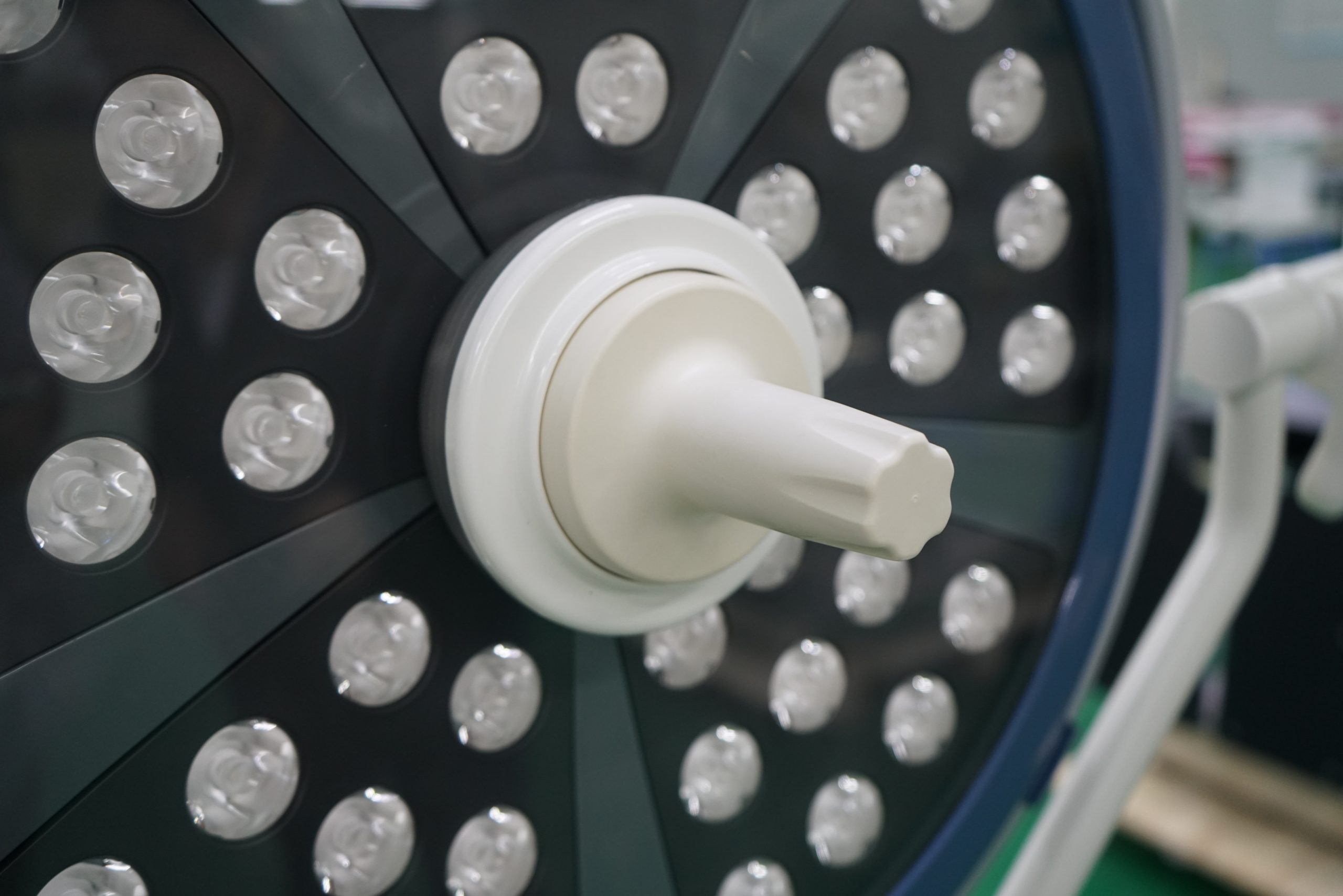
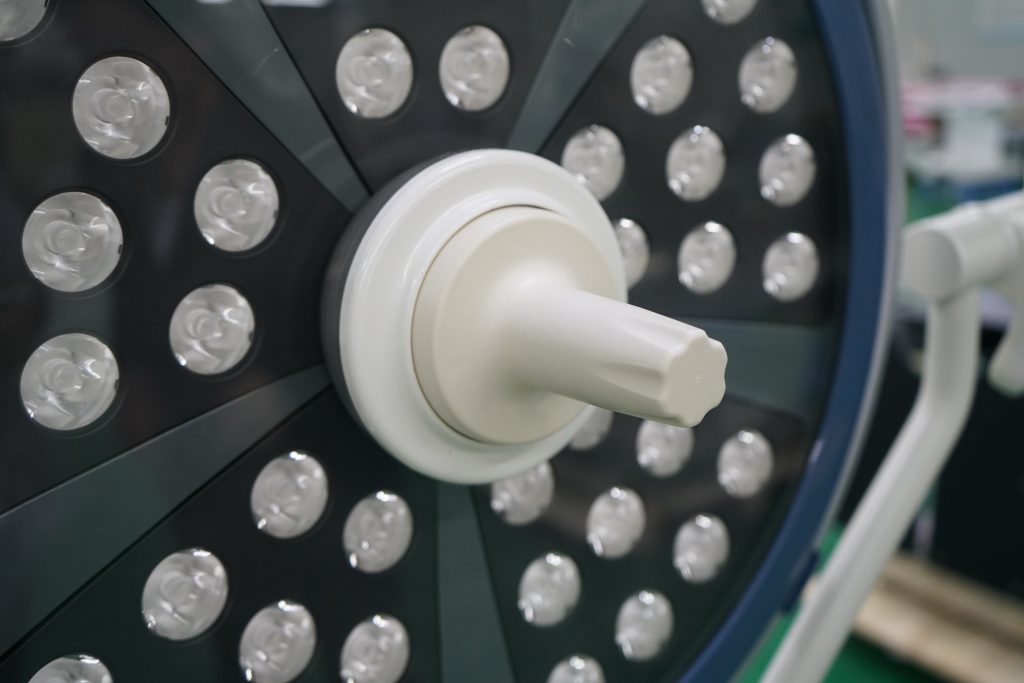
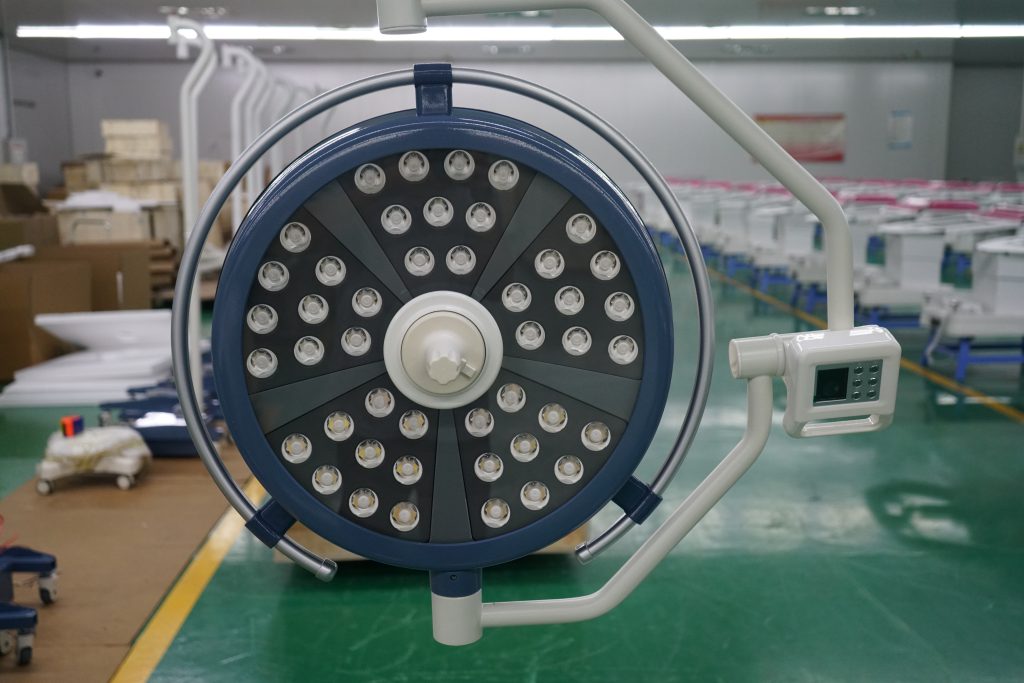
Modern systems utilize multiple high-performance LED modules combined with precision optical lenses and advanced reflector technology.
Main Components
| Component | Function |
|---|---|
| LED Light Modules | Produce high-intensity illumination |
| Optical Lens System | Distributes light uniformly |
| Reflector Technology | Reduces shadow formation |
| Suspension Arm | Provides flexible positioning |
| Sterile Handle | Allows intraoperative adjustment |
| Digital Control Panel | Adjusts brightness and color temperature |
| Heat Dissipation System | Maintains stable operating temperature |
Each component contributes to the overall effectiveness of medical illumination surgical lights in clinical environments.
How Medical Illumination Surgical Lights Improve Surgery
Modern surgical lighting provides far more than simple illumination. It directly supports surgeons throughout every phase of an operation.
Improved Visibility
Bright and uniform illumination enables surgeons to clearly distinguish tissues, vessels, muscles, and organs.
Even tiny anatomical structures become easier to identify.
Shadow Elimination
One of the defining characteristics of medical illumination surgical lights is their ability to eliminate shadows.
Multiple overlapping LED light sources ensure continuous illumination, even when surgeons’ hands or instruments block part of the light.
This improves visibility throughout the procedure.
Accurate Tissue Color Recognition
High Color Rendering Index (CRI) allows tissues to appear natural.
A CRI above 90 enables surgeons to differentiate between healthy tissue, diseased tissue, blood vessels, and nerves with greater confidence.
Reduced Eye Fatigue
Long surgical procedures place significant strain on surgeons.
Stable illumination, adjustable brightness, and low glare reduce visual fatigue, allowing medical teams to maintain concentration for extended periods.
Lower Heat Production
Traditional halogen lamps generate considerable heat.
Modern medical illumination surgical lights utilize LED technology that minimizes infrared radiation.
Benefits include:
- Reduced tissue dehydration
- Improved surgeon comfort
- Cooler operating room environment
- Lower air-conditioning load
Clinical Applications Across Medical Specialties
Medical illumination surgical lights are used throughout virtually every surgical department.
General Surgery
Supports abdominal, gastrointestinal, and soft tissue procedures.
Orthopedic Surgery
Provides deep illumination for joint replacement, fracture fixation, and spinal surgery.
Neurosurgery
Maintains consistent lighting during delicate brain and spinal operations.
Cardiovascular Surgery
Enhances visualization of blood vessels and cardiac structures.
Plastic Surgery
Provides precise illumination for reconstructive and cosmetic procedures.
Gynecology
Supports cesarean sections, hysterectomies, and laparoscopic surgery.
Emergency Medicine
Provides rapid illumination during trauma surgery.
Application Comparison
| Department | Lighting Requirement | Importance |
| General Surgery | Uniform brightness | High |
| Neurosurgery | Maximum precision | Critical |
| Orthopedics | Deep illumination | High |
| Cardiology | Accurate color rendering | Critical |
| Plastic Surgery | Fine detail visibility | High |
| Emergency Care | Rapid deployment | Critical |
Technical Features That Improve Surgical Performance
Healthcare facilities should evaluate several technical specifications.
Illumination Intensity
Premium medical illumination surgical lights typically provide between 120,000 and 160,000 lux.
Adjustable Color Temperature
| Color Temperature | Clinical Benefit |
| 3500K | Warm illumination |
| 4000K | Natural tissue color |
| 4500K | Standard operating room lighting |
| 5000K | Improved anatomical contrast |
| 5500K | Bright white surgical field |
High Color Rendering Index
CRI ≥90 provides excellent tissue recognition.
Premium systems often exceed CRI 95.
Deep Illumination
Maintains consistent brightness even within deep surgical cavities.
Especially valuable during cardiac and neurosurgical procedures.
Energy Efficiency
LED systems consume significantly less electricity than traditional halogen lights.
Hospitals benefit from:
- Lower utility costs
- Longer service life
- Reduced maintenance
Comparing LED and Traditional Surgical Lighting
| Feature | Medical Illumination Surgical Lights (LED) | Halogen Surgical Lights |
| Energy Efficiency | Excellent | Low |
| Heat Production | Very Low | High |
| Average Lifespan | 50,000–100,000 Hours | 1,000–2,000 Hours |
| Brightness Stability | Excellent | Moderate |
| Shadow Compensation | Advanced | Limited |
| Maintenance Cost | Low | High |
| Color Rendering | Excellent | Good |
The advantages clearly demonstrate why hospitals continue transitioning toward LED technology.
Factors to Consider When Selecting Surgical Lighting
Healthcare facilities should evaluate several purchasing criteria.
Clinical Needs
Different specialties require different illumination characteristics.
Operating Room Size
Large hybrid operating rooms often require dual- or triple-dome lighting systems.
Ceiling Structure
Installation requirements vary depending on room architecture.
Control Functions
Modern systems may include:
- Touchscreen controls
- Wireless operation
- Memory positioning
- Integrated camera systems
Manufacturer Support
Choose suppliers offering:
- CE certification
- ISO 13485 certification
- Technical support
- Spare parts availability
- Long-term warranty
Maintenance Best Practices
Routine maintenance maximizes performance.
| Maintenance Task | Frequency |
| Clean lamp housing | Daily |
| Sterilize handles | After every surgery |
| Verify brightness | Monthly |
| Inspect suspension arms | Quarterly |
| Electrical inspection | Annually |
Proper maintenance ensures reliable operation throughout the service life of medical illumination surgical lights.
Future Trends in Medical Illumination Surgical Lights
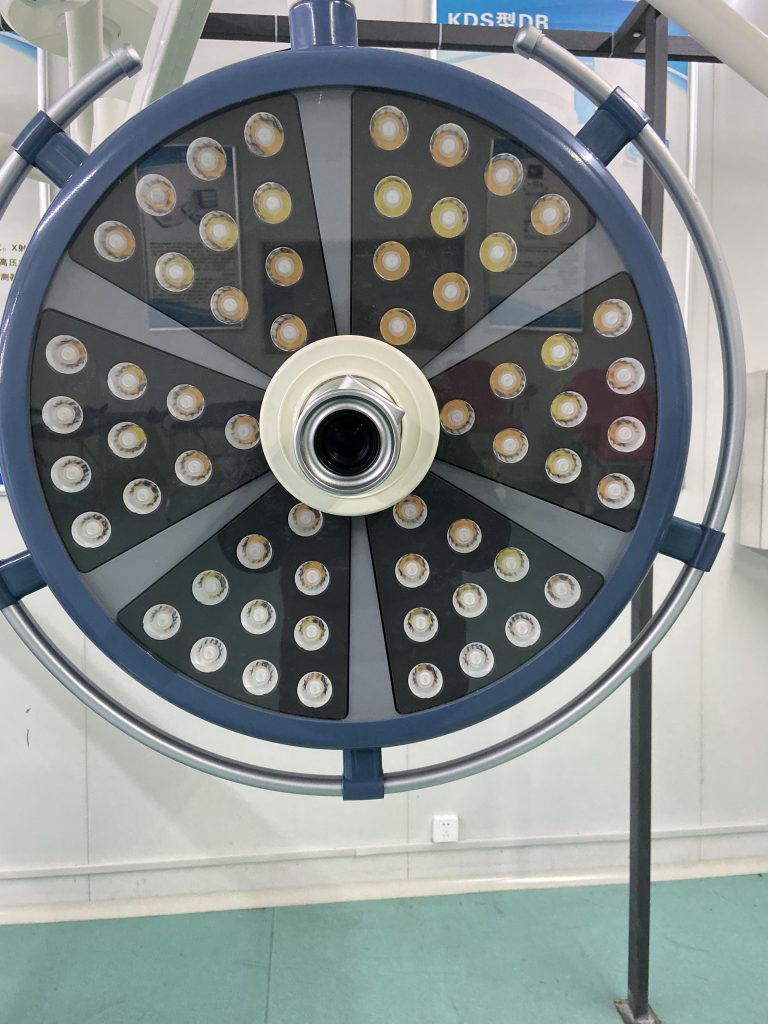
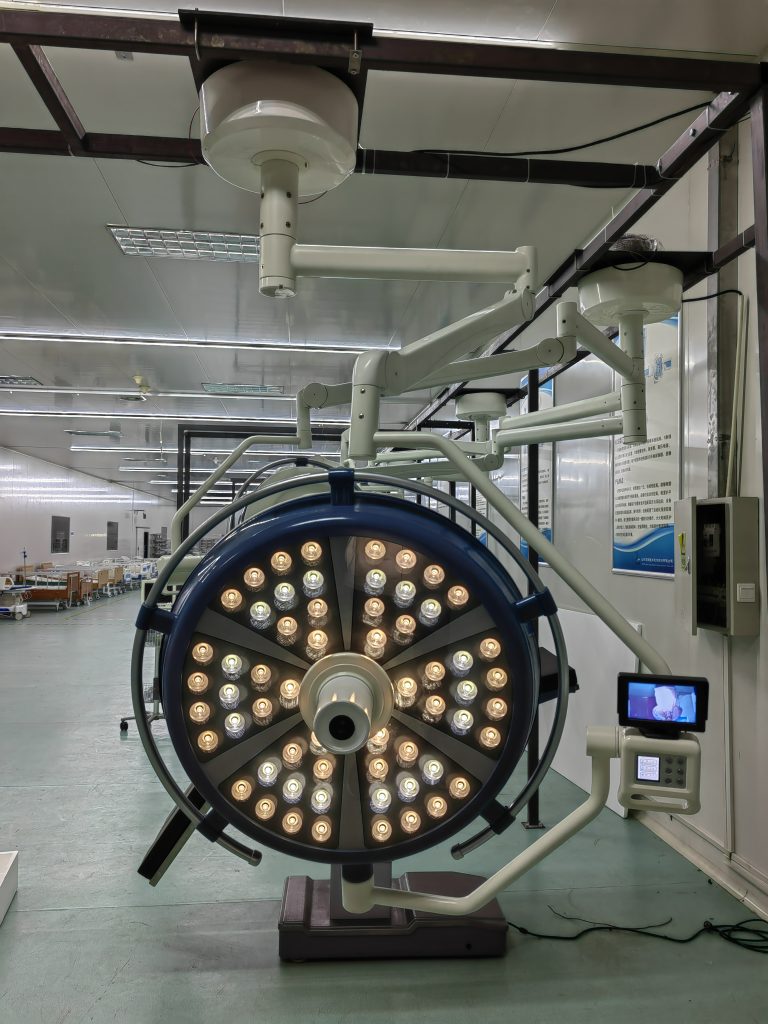
Medical lighting technology continues to evolve rapidly.
Emerging innovations include:
- Artificial intelligence brightness adjustment
- Automatic shadow compensation
- Voice-controlled lighting
- Integrated 4K surgical cameras
- Wireless operating room control
- Smart diagnostics
- Predictive maintenance
- IoT-enabled operating room integration
- Adaptive lighting based on surgical procedures
These technologies will continue improving surgical efficiency while supporting digital operating room development.
Benefits for Hospitals and Healthcare Facilities
Investing in advanced medical illumination surgical lights provides long-term value.
Operational Benefits
- Improved surgical quality
- Lower maintenance costs
- Increased operating room utilization
- Better energy efficiency
- Longer equipment lifespan
- Reduced downtime
- Improved staff satisfaction
Financial Benefits
| Benefit | Hospital Impact |
| Lower energy consumption | Reduced operating costs |
| Long LED lifespan | Lower replacement expenses |
| Reduced maintenance | Improved equipment availability |
| Better surgical efficiency | Increased operating room productivity |
These advantages contribute to both clinical excellence and financial sustainability.
If you need medical equipment or other services, please contact us!
Email: demanmedical@gmail.com
Phone: +86-13188819888
Facebook:https://www.facebook.com/demanmedical/
Instagram: https://www.instagram.com/deman.medical/
YouTube: https://www.youtube.com/@DEMANmedical
Conclusion
High-quality lighting is one of the most important foundations of successful surgery. Modern medical illumination surgical lights provide far more than brightness—they improve visualization, eliminate shadows, reduce heat generation, enhance tissue recognition, and support surgeons during the most demanding procedures.
Compared with traditional lighting technologies, LED-based systems offer superior energy efficiency, longer service life, lower maintenance costs, and advanced optical performance. Their versatility allows them to support a wide range of specialties, including general surgery, neurosurgery, orthopedics, cardiovascular surgery, plastic surgery, and emergency medicine.
As healthcare facilities continue embracing digital operating rooms and intelligent medical technologies, investing in advanced medical illumination surgical lights has become a strategic decision that improves patient safety, enhances clinical outcomes, and increases long-term operational efficiency.
Choosing the right lighting solution today ensures that hospitals are prepared to meet the growing demands of modern surgical care well into the future.
FAQ
What are medical illumination surgical lights?
Medical illumination surgical lights are specialized LED lighting systems designed to provide bright, uniform, and shadow-free illumination for surgical procedures.
Why are medical illumination surgical lights important?
They improve surgical visibility, reduce shadows, enhance tissue recognition, minimize surgeon fatigue, and contribute to safer surgical outcomes.
What is the recommended illumination level for surgical lighting?
Most modern systems provide adjustable illumination ranging from approximately 120,000 to 160,000 lux, depending on clinical requirements.
Why do hospitals prefer LED surgical lighting?
LED systems offer lower energy consumption, minimal heat generation, longer service life, excellent color rendering, and significantly reduced maintenance compared with traditional halogen lights.
Which medical specialties use medical illumination surgical lights?
These lighting systems are widely used in general surgery, orthopedics, neurosurgery, cardiovascular surgery, gynecology, plastic surgery, emergency medicine, and many other clinical specialties.