

Introduction
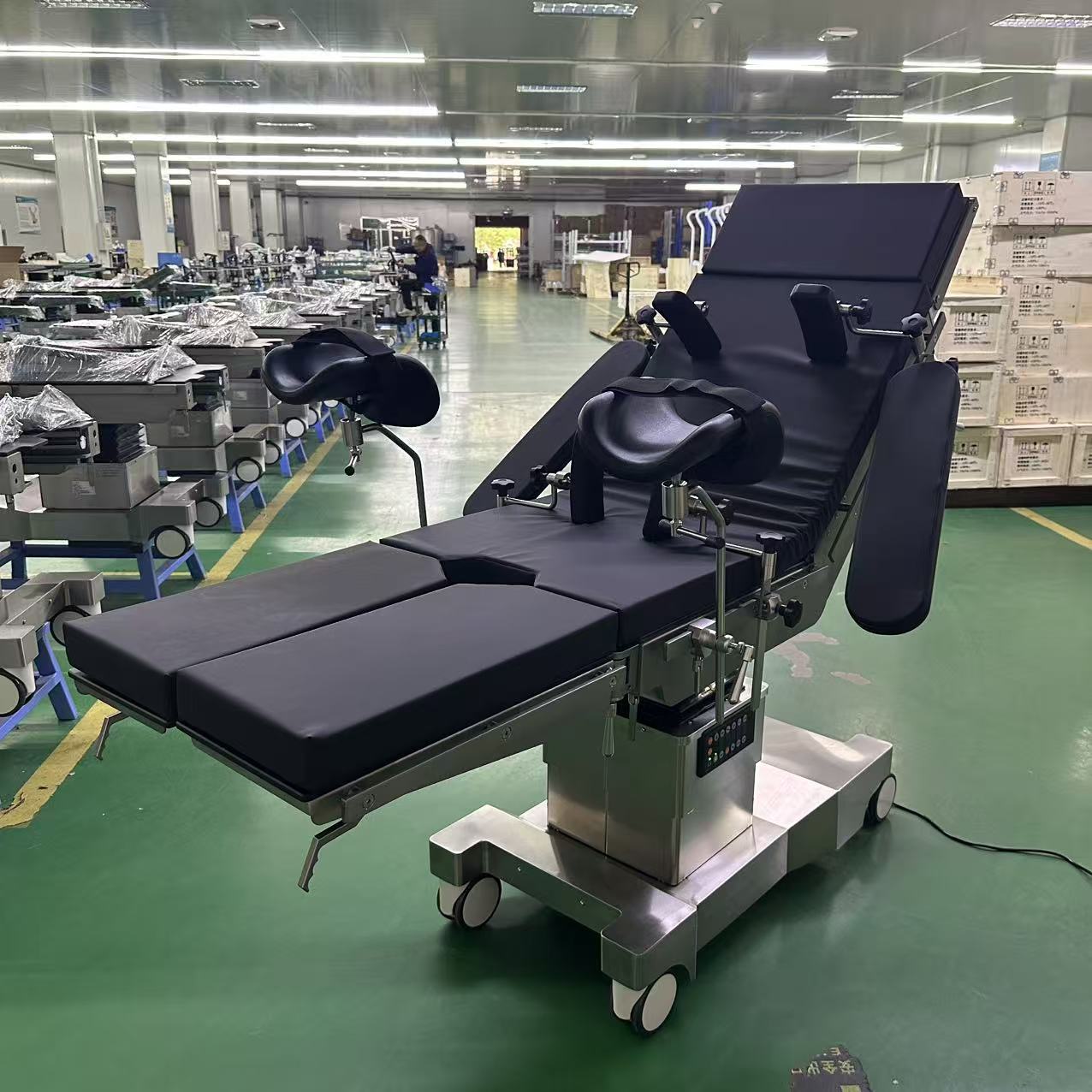
As surgical techniques continue to evolve, hospitals and surgical centers require operating room equipment that can adapt to a wide variety of procedures while maintaining the highest standards of patient safety and clinical efficiency. Among the most important pieces of equipment in any operating room is the electric hydraulic operating table. Designed to provide exceptional stability, precise positioning, and flexible adjustment, it has become the preferred choice for modern healthcare facilities performing multi-specialty surgery.
Unlike conventional manual operating tables, an electric hydraulic operating table combines electric controls with a hydraulic drive system, allowing healthcare professionals to adjust height, Trendelenburg position, lateral tilt, back section, leg section, and tabletop movement with minimal effort. This level of precision not only improves surgeon ergonomics but also enhances patient positioning, reduces operation time, and supports complex surgical procedures across multiple medical disciplines.
Today, hospitals are expected to maximize the utilization of every operating room. Instead of purchasing separate tables for different specialties, many healthcare facilities choose versatile operating tables capable of supporting general surgery, orthopedics, neurosurgery, urology, gynecology, cardiovascular surgery, ENT procedures, and minimally invasive interventions. An advanced electric hydraulic operating table offers this flexibility while ensuring long-term reliability and cost-effectiveness.
This comprehensive guide explores the features, benefits, applications, purchasing considerations, maintenance requirements, and future trends of the electric hydraulic operating table, helping hospitals and distributors make informed investment decisions.
What Is an Electric Hydraulic Operating Table?
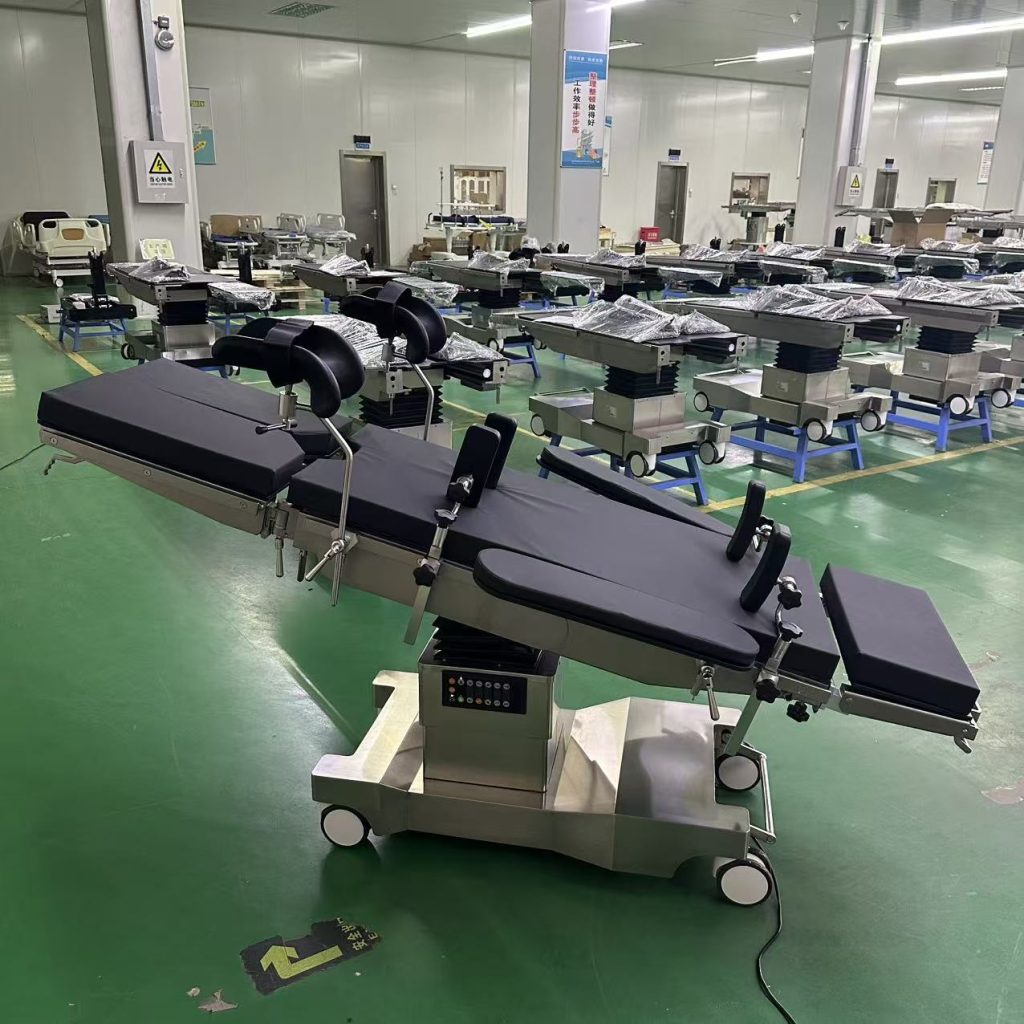
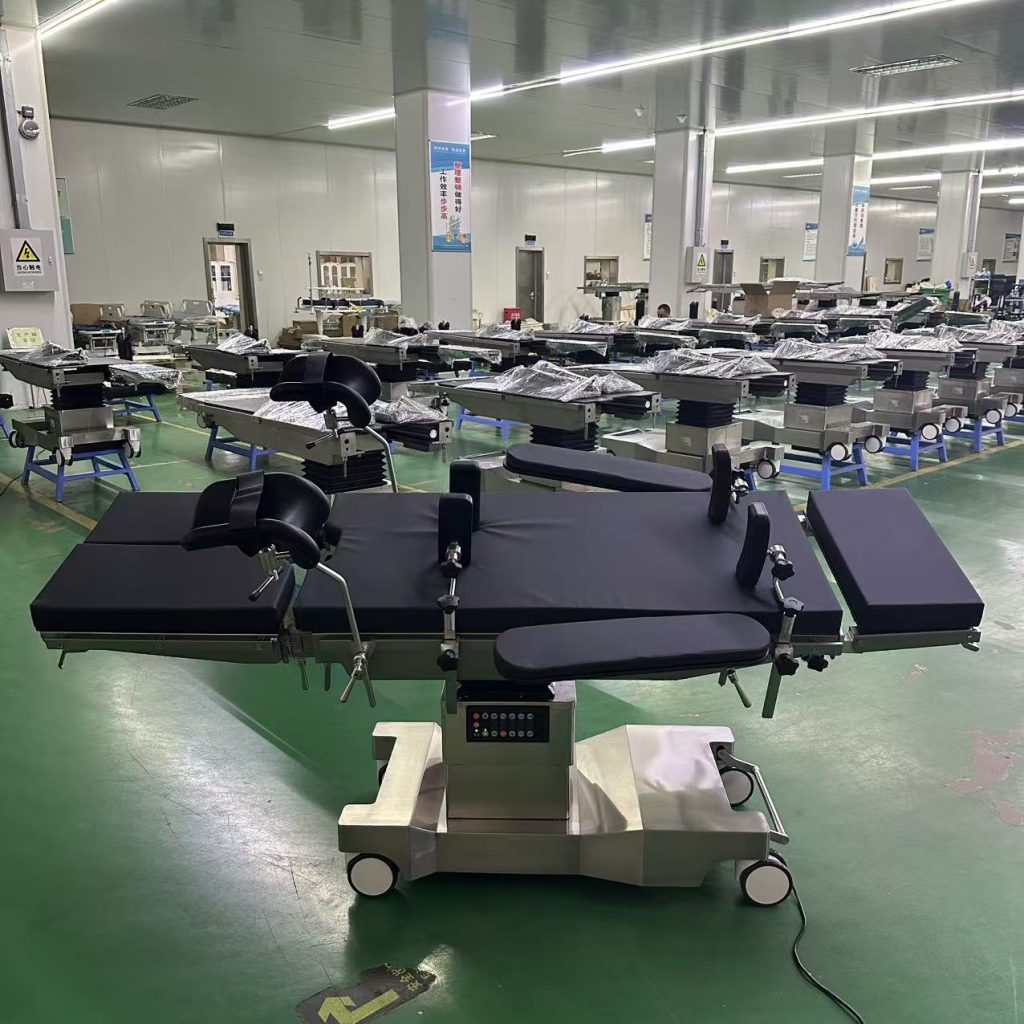
An electric hydraulic operating table is a motorized surgical table that uses an electric control system to activate a hydraulic mechanism for smooth and accurate patient positioning. It is designed to accommodate various surgical procedures while providing exceptional load capacity, stability, and flexibility.
The table allows medical staff to make precise adjustments using a handheld remote control, foot switch, or integrated control panel without interrupting the surgical workflow.
Main Components
| Component | Function |
|---|---|
| Tabletop | Supports the patient during surgery |
| Hydraulic Lift System | Raises and lowers the table smoothly |
| Electric Motor | Drives hydraulic adjustments |
| Control Panel | Controls all positioning functions |
| Back Section | Adjusts upper body position |
| Leg Section | Supports lower extremities |
| Head Section | Positions the patient’s head |
| Base Frame | Provides structural stability |
| Locking System | Secures the table during procedures |
| Battery Backup | Ensures operation during power outages |
Each component contributes to the precision and reliability of the electric hydraulic operating table.
Why Hospitals Prefer an Electric Hydraulic Operating Table
Healthcare facilities increasingly select an electric hydraulic operating table because it combines advanced technology with outstanding versatility.
Major Advantages
- Precise patient positioning
- Smooth electric operation
- Stable hydraulic lifting
- Reduced physical workload for staff
- Improved surgical efficiency
- Excellent weight capacity
- Compatibility with multiple surgical specialties
- Long service life
- Low maintenance requirements
These benefits make the electric hydraulic operating table one of the most valuable investments for modern operating rooms.
Key Features of an Electric Hydraulic Operating Table
When selecting a surgical table, buyers should evaluate several technical characteristics.
Electric-Hydraulic Control System
The electric hydraulic operating table uses a powerful electric motor to control hydraulic movements accurately and quietly.
Benefits include:
- Smooth positioning
- Precise adjustments
- Minimal vibration
- Reduced surgeon interruption
Multi-Position Adjustment
A high-quality electric hydraulic operating table typically supports:
- Height adjustment
- Trendelenburg
- Reverse Trendelenburg
- Lateral tilt
- Back section adjustment
- Leg section adjustment
- Kidney bridge elevation
- Longitudinal tabletop sliding
These movements allow surgeons to achieve optimal positioning for different procedures.
Standard Positioning Functions
| Function | Typical Adjustment Range |
|---|---|
| Height | 650–1050 mm |
| Trendelenburg | ±30° |
| Lateral Tilt | ±20° |
| Back Section | +80° / -20° |
| Leg Section | +15° / -90° |
| Table Slide | Up to 300 mm |
High Load Capacity
Modern operating tables are designed to support a wide range of patient sizes.
Premium models often accommodate 250–450 kg, ensuring safe positioning for bariatric patients and complex procedures.
Radiolucent Tabletop
Many electric hydraulic operating table models feature carbon fiber tabletops that are compatible with C-arm imaging systems.
Advantages include:
- Excellent X-ray transparency
- Improved fluoroscopy
- Better image quality
- Reduced patient repositioning
Stable Base Design
A robust base minimizes movement during surgery.
Stable positioning improves surgical precision, particularly during microsurgery and orthopedic procedures.
Applications Across Multiple Surgical Specialties
One of the greatest advantages of an electric hydraulic operating table is its versatility.
General Surgery
Supports abdominal, gastrointestinal, and laparoscopic procedures.
Orthopedic Surgery
Provides stable positioning for fracture repair, joint replacement, and spinal surgery.
Neurosurgery
Allows precise positioning during cranial and spinal operations.
Cardiovascular Surgery
Supports lengthy procedures requiring exceptional stability.
Gynecology and Obstetrics
Suitable for hysterectomy, cesarean section, and pelvic surgery.
Urology
Facilitates lithotomy positioning and minimally invasive procedures.
ENT Surgery
Provides accurate patient positioning for head and neck operations.
Plastic Surgery
Supports reconstructive and cosmetic procedures requiring ergonomic access.
Specialty Comparison
| Surgical Specialty | Required Table Function |
|---|---|
| General Surgery | Height adjustment |
| Orthopedics | High stability |
| Neurosurgery | Precise positioning |
| Cardiology | Long-duration support |
| Gynecology | Lithotomy positioning |
| Urology | Trendelenburg adjustment |
| Plastic Surgery | Flexible positioning |
Electric Hydraulic Operating Table vs Manual Operating Table
| Feature | Electric Hydraulic Operating Table | Manual Operating Table |
|---|---|---|
| Adjustment Method | Electric control | Manual operation |
| Position Accuracy | Excellent | Moderate |
| Workflow Efficiency | High | Lower |
| Staff Effort | Minimal | Greater |
| Patient Comfort | Excellent | Good |
| Maintenance | Low | Moderate |
| Suitable for Complex Surgery | Yes | Limited |
The comparison demonstrates why hospitals increasingly replace manual tables with electric hydraulic systems.
Factors to Consider Before Purchasing
Hospitals should carefully evaluate the following criteria.
Clinical Requirements
Different specialties require different positioning capabilities.
Weight Capacity
Ensure the table supports the intended patient population.
Imaging Compatibility
Radiolucent tabletops improve compatibility with modern imaging equipment.
Control System
Look for intuitive controls with programmable memory positions.
Safety Features
Essential features include:
- Emergency stop
- Battery backup
- Overload protection
- Stable locking mechanism
Accessory Compatibility
Verify compatibility with:
- Arm boards
- Headrests
- Orthopedic traction devices
- Neurosurgical accessories
- Anesthesia screens
Installation Considerations
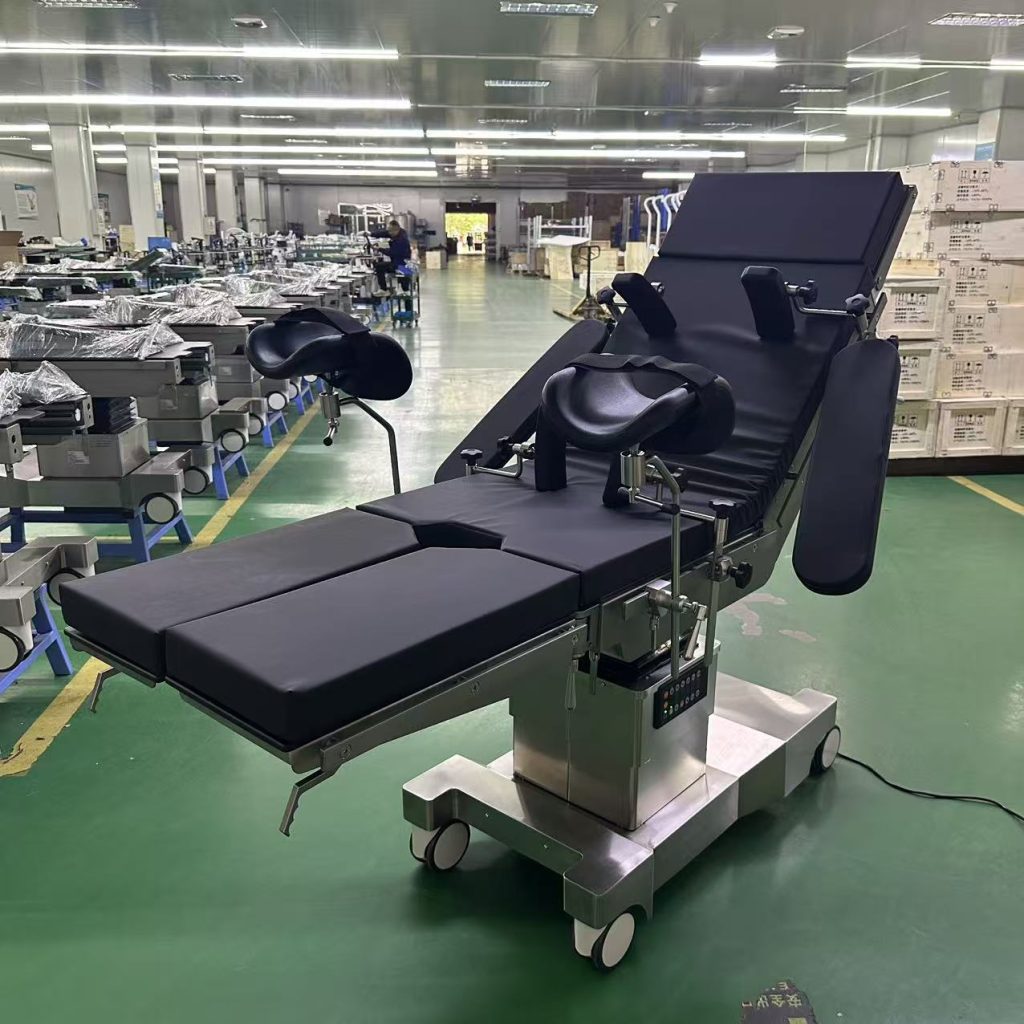
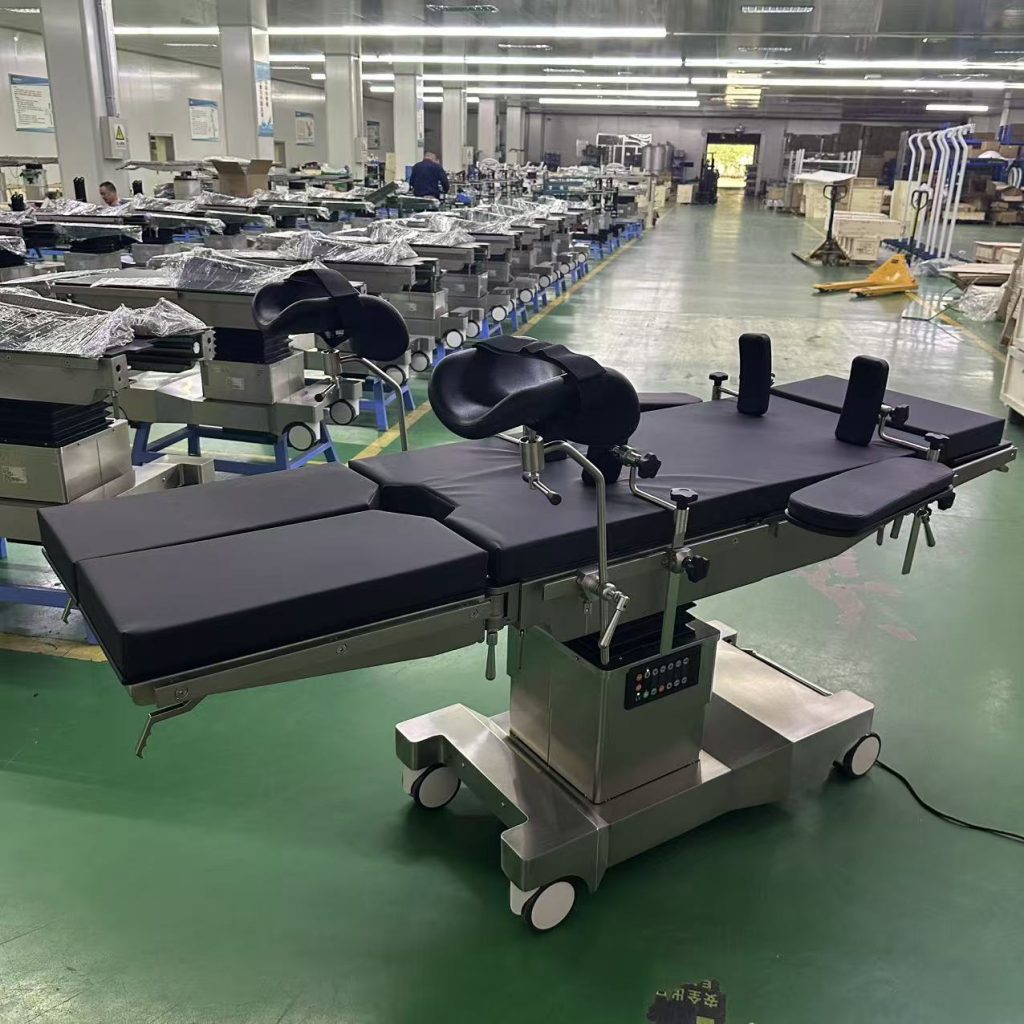
Professional installation ensures optimal performance.
Healthcare facilities should assess:
- Operating room dimensions
- Floor load capacity
- Electrical infrastructure
- C-arm movement clearance
- Equipment layout
- Accessibility for maintenance
Proper planning maximizes the efficiency of the electric hydraulic operating table.
Maintenance Best Practices
Routine maintenance extends service life and improves reliability.
Maintenance Schedule
| Maintenance Task | Frequency |
|---|---|
| Clean tabletop | After every procedure |
| Disinfect accessories | Daily |
| Inspect hydraulic system | Monthly |
| Check electrical controls | Quarterly |
| Test battery backup | Semi-annually |
| Comprehensive servicing | Annually |
Preventive maintenance minimizes downtime and protects the hospital’s investment.
Future Trends in Electric Hydraulic Operating Table Technology
The next generation of surgical tables is becoming increasingly intelligent.
Emerging innovations include:
- AI-assisted positioning
- Touchscreen control systems
- Wireless remote operation
- Integrated patient weight monitoring
- Memory positioning programs
- IoT-enabled preventive maintenance
- Digital operating room integration
- Carbon fiber ultra-light tabletops
- Voice-controlled adjustments
These advancements will further improve surgical efficiency and patient safety.
Choosing the Right Manufacturer
Selecting a reliable supplier is essential for long-term performance.
Hospitals should evaluate manufacturers based on:
- ISO 13485 certification
- CE certification
- FDA registration (where applicable)
- Manufacturing experience
- Research and development capability
- OEM and ODM services
- Global export history
- Spare parts availability
- Technical training
- Warranty coverage
- After-sales support
A trusted manufacturer provides dependable products and responsive technical service.
Benefits for Hospitals and Medical Equipment Distributors
Investing in an electric hydraulic operating table provides significant value.
Clinical Benefits
- Improved surgical precision
- Better patient positioning
- Increased operating room efficiency
- Enhanced surgeon ergonomics
- Greater patient safety
Business Benefits
| Benefit | Long-Term Value |
|---|---|
| Longer equipment lifespan | Lower replacement costs |
| Multi-specialty compatibility | Higher equipment utilization |
| Reduced maintenance | Lower operating expenses |
| Improved workflow | Increased operating room productivity |
These advantages make the electric hydraulic operating table an excellent long-term investment for healthcare facilities and distributors alike.
If you need medical equipment or other services, please contact us!
Email: demanmedical@gmail.com
Phone: +86-13188819888
Facebook:https://www.facebook.com/demanmedical/
Instagram: https://www.instagram.com/deman.medical/
YouTube: https://www.youtube.com/@DEMANmedical
Conclusion
An electric hydraulic operating table is an essential component of every modern operating room, offering the versatility, precision, and stability required for today’s multi-specialty surgical environment. From general surgery and orthopedics to neurosurgery, gynecology, urology, and cardiovascular procedures, its advanced positioning capabilities improve surgical efficiency while enhancing patient safety and clinician comfort.
When selecting an electric hydraulic operating table, healthcare facilities should carefully evaluate positioning functions, load capacity, imaging compatibility, safety systems, accessory options, installation requirements, and manufacturer support. Choosing a reliable and technologically advanced solution ensures years of dependable performance while reducing maintenance costs and maximizing operating room utilization.
As surgical technologies continue to advance and hospitals embrace digital operating rooms, the electric hydraulic operating table will remain a cornerstone of modern surgical practice, supporting better clinical outcomes and greater operational efficiency.
FAQ
What is an electric hydraulic operating table?
An electric hydraulic operating table is a motorized surgical table that uses electric controls and a hydraulic drive system to provide smooth, precise patient positioning during surgical procedures.
What are the advantages of an electric hydraulic operating table?
It offers accurate positioning, stable operation, reduced physical effort for medical staff, improved surgical efficiency, high load capacity, and compatibility with multiple surgical specialties.
Which surgical specialties commonly use an electric hydraulic operating table?
It is widely used in general surgery, orthopedics, neurosurgery, cardiovascular surgery, gynecology, urology, ENT, plastic surgery, and minimally invasive procedures.
Is an electric hydraulic operating table compatible with imaging equipment?
Yes. Many models feature radiolucent carbon fiber tabletops that are compatible with C-arm and X-ray imaging systems, making them ideal for image-guided procedures.
How often should an electric hydraulic operating table be maintained?
Routine cleaning should be performed after each procedure, with monthly mechanical inspections, quarterly electrical checks, and annual preventive maintenance conducted by qualified technicians.