

Introduction
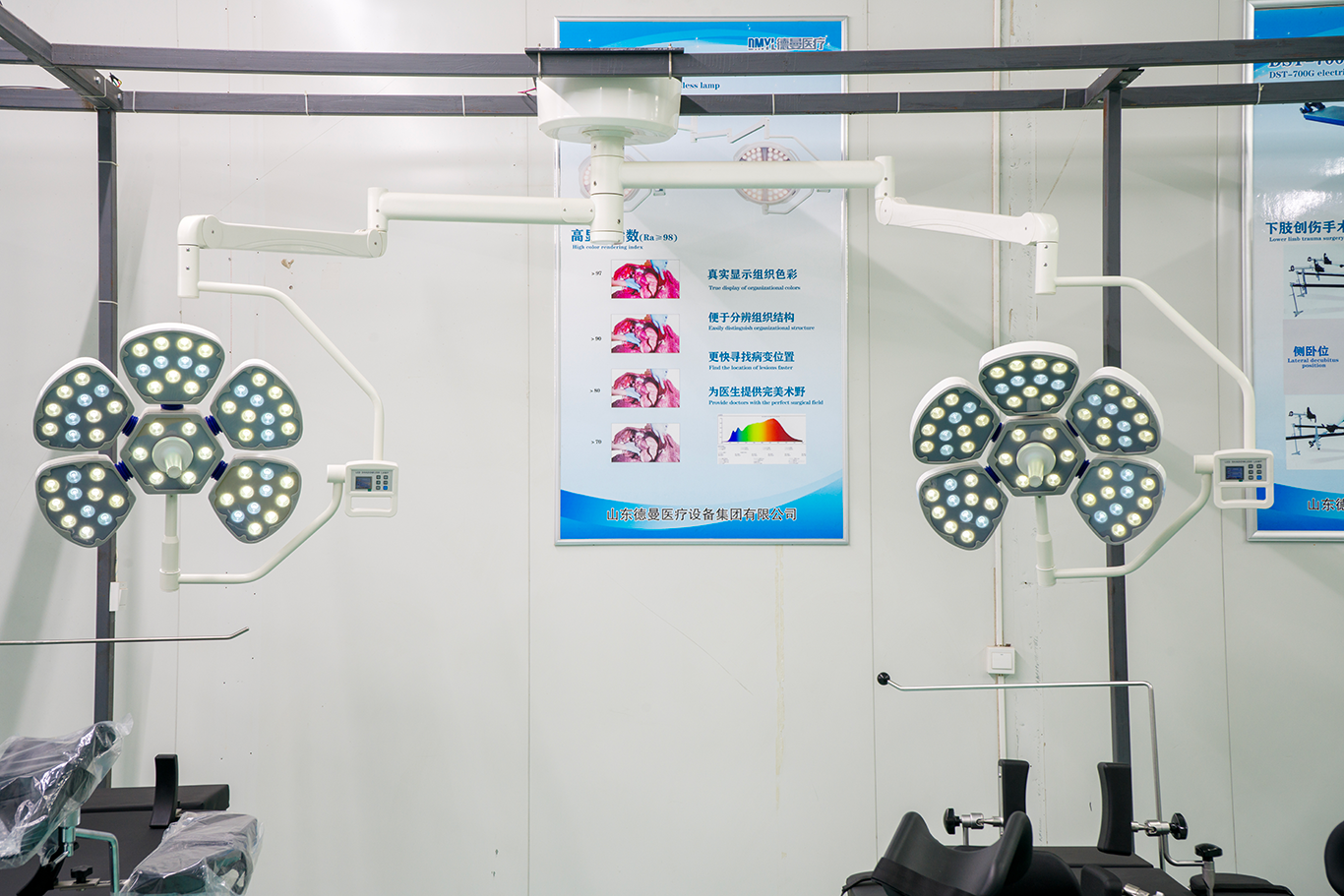
In modern healthcare environments, Surgical Lighting plays a critical role in ensuring precision, safety, and efficiency during medical procedures. Whether performing complex surgeries in large hospitals or conducting minor procedures in specialized clinics, healthcare professionals rely on high-quality Surgical Lighting systems to achieve optimal visibility.
The advancement of Surgical Lighting technology has transformed operating rooms worldwide. Today’s surgical lights offer enhanced illumination, shadow reduction, color accuracy, energy efficiency, and intelligent control systems that improve surgical outcomes and support medical teams in demanding environments.
This guide explores the best Surgical Lighting solutions for hospitals and clinics, highlighting key features, benefits, selection criteria, and future trends that healthcare facilities should consider when investing in operating room equipment.
Why Surgical Lighting Is Essential in Modern Healthcare
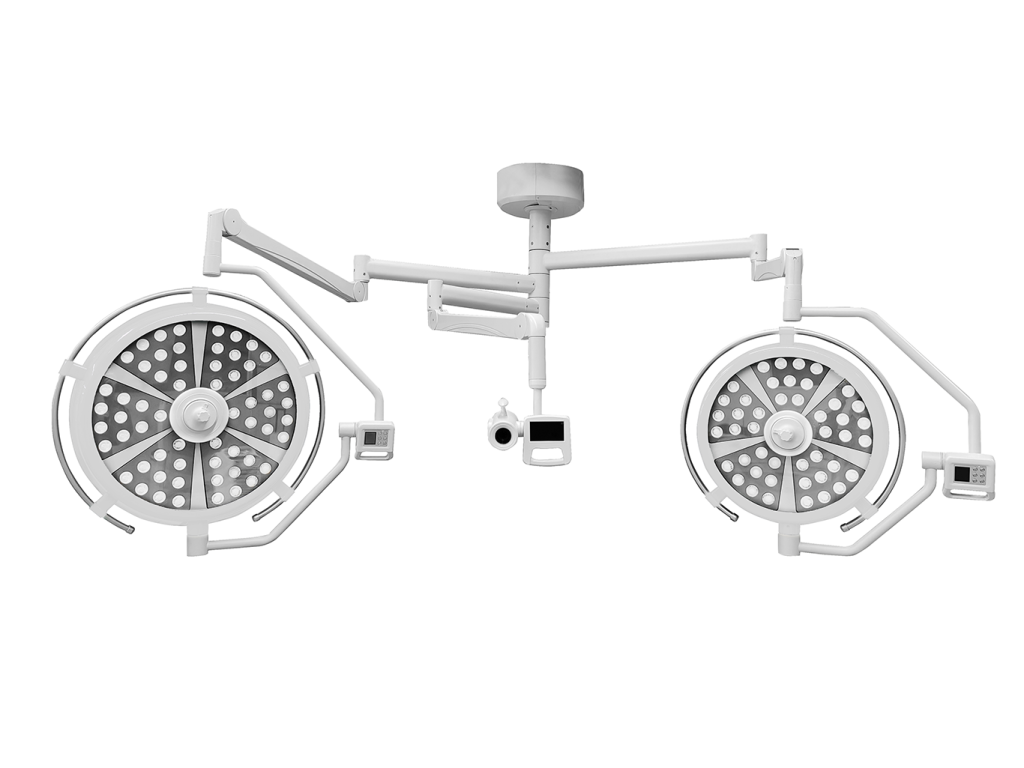
Proper Surgical Lighting directly impacts the accuracy and efficiency of surgical procedures. Surgeons require consistent illumination to distinguish tissues, identify anatomical structures, and perform delicate operations without visual fatigue.
Key Benefits of High-Quality Surgical Lighting
- Improved surgical precision
- Enhanced visualization of tissues and blood vessels
- Reduced shadows in the surgical field
- Better color rendering for accurate diagnosis
- Increased operating room efficiency
- Improved patient safety
- Reduced eye strain for surgical teams
Without adequate Surgical Lighting, even highly skilled surgeons may encounter challenges that can affect procedural accuracy and patient outcomes.
Key Features of Advanced Surgical Lighting Systems
Modern Surgical Lighting systems are equipped with innovative technologies designed to meet the growing demands of healthcare facilities.
LED Illumination Technology
LED-based Surgical Lighting has become the industry standard due to its superior performance.
Advantages of LED Surgical Lighting
| Feature | Traditional Halogen | LED Surgical Lighting |
|---|---|---|
| Energy Efficiency | Low | High |
| Heat Generation | High | Low |
| Lifespan | 1,000-2,000 Hours | 50,000+ Hours |
| Maintenance Cost | Higher | Lower |
| Color Accuracy | Moderate | Excellent |
| Environmental Impact | Higher | Lower |
LED Surgical Lighting offers brighter illumination while generating significantly less heat, creating a more comfortable environment for both patients and medical staff.
Shadow Management Technology
One of the most important characteristics of Surgical Lighting is the ability to minimize shadows. Multi-reflector and multi-lens designs allow light beams to overlap, reducing shadow formation when surgeons or equipment obstruct the light path.
Adjustable Color Temperature
Different surgical specialties may require varying lighting conditions.
Common color temperature ranges include:
| Color Temperature | Application |
|---|---|
| 3,500K | General Examination |
| 4,000K | Minor Procedures |
| 4,500K | General Surgery |
| 5,000K | Neurosurgery |
| 5,500K | Cardiovascular Surgery |
Adjustable Surgical Lighting systems enable surgeons to customize illumination according to procedural requirements.
High Color Rendering Index (CRI)
A high CRI allows medical professionals to distinguish tissue colors accurately.
Recommended CRI values:
| Procedure Type | Recommended CRI |
|---|---|
| General Surgery | ≥95 |
| Plastic Surgery | ≥96 |
| Cardiovascular Surgery | ≥97 |
| Neurosurgery | ≥97 |
High-CRI Surgical Lighting improves visual clarity and supports better clinical decisions.
Types of Surgical Lighting Solutions
Healthcare facilities have different requirements based on room size, surgical specialties, and budget.
Ceiling-Mounted Surgical Lighting
Ceiling-mounted systems are the most common option for operating rooms.
Advantages
- Maximum workspace flexibility
- Large illumination field
- Long service life
- Easy integration with cameras and monitors
Ideal For
- Large hospitals
- Operating theaters
- Hybrid operating rooms
Mobile Surgical Lighting
Mobile Surgical Lighting units offer flexibility and portability.
Advantages
- Easy movement between rooms
- Lower installation costs
- Suitable for temporary surgical setups
Ideal For
- Clinics
- Emergency departments
- Outpatient centers
Wall-Mounted Surgical Lighting
Wall-mounted Surgical Lighting is an excellent solution when ceiling installation is not practical.
Advantages
- Space-saving design
- Cost-effective installation
- Reliable performance
Ideal For
- Small clinics
- Procedure rooms
- Treatment centers
How to Choose the Best Surgical Lighting for Your Facility
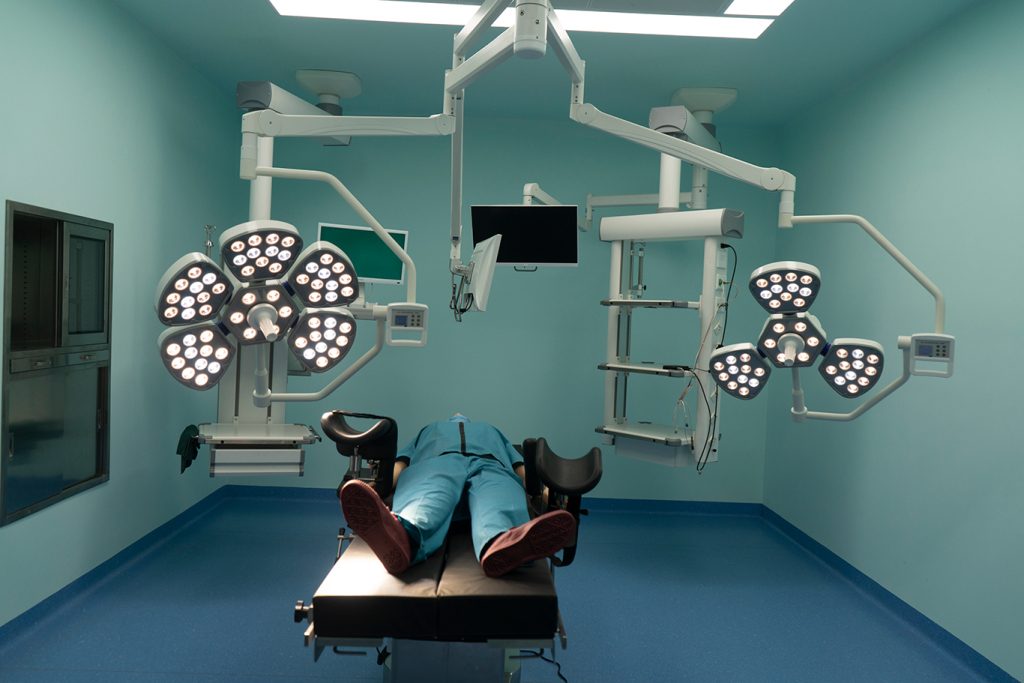
Selecting the right Surgical Lighting system requires careful evaluation of several factors.
Illumination Intensity
Light intensity is measured in Lux.
| Surgical Specialty | Recommended Lux |
|---|---|
| Minor Procedures | 40,000-80,000 Lux |
| General Surgery | 80,000-140,000 Lux |
| Complex Surgery | 140,000-180,000 Lux |
| Specialized Procedures | Up to 200,000 Lux |
The chosen Surgical Lighting system should provide sufficient brightness without causing glare.
Operating Room Size
Larger operating rooms often require dual-dome Surgical Lighting systems to provide adequate coverage.
Surgical Specialties
Different specialties may demand specific lighting configurations.
Examples include:
- Neurosurgery
- Orthopedic surgery
- Cardiovascular surgery
- Plastic surgery
- ENT surgery
Budget and Total Cost of Ownership
Hospitals should consider not only the purchase price but also maintenance costs, energy consumption, and expected lifespan.
LED Surgical Lighting typically offers lower lifetime costs due to reduced maintenance and energy usage.
Surgical Lighting Applications Across Medical Specialties
General Surgery
General surgery requires balanced illumination with excellent shadow control and color rendering.
Orthopedic Surgery
Orthopedic procedures often involve deep cavities and dense tissue structures, requiring high-intensity Surgical Lighting.
Neurosurgery
Neurosurgical procedures demand exceptional precision. Advanced Surgical Lighting systems with adjustable focus and high CRI are essential.
Cardiovascular Surgery
Cardiac surgeons rely on Surgical Lighting that provides superior depth perception and accurate tissue visualization.
Plastic and Reconstructive Surgery
These procedures require highly accurate color differentiation, making premium Surgical Lighting systems particularly important.
Smart Technologies in Modern Surgical Lighting
Healthcare facilities are increasingly adopting intelligent Surgical Lighting solutions.
Touchless Controls
Touchless sensors help maintain sterile environments while allowing surgeons to adjust lighting parameters.
Integrated HD Cameras
Many Surgical Lighting systems now include built-in cameras for:
- Surgical recording
- Medical education
- Remote consultation
- Telemedicine applications
Intelligent Light Adjustment
Advanced systems automatically adjust illumination based on:
- Surgeon position
- Procedure type
- Ambient lighting conditions
Digital Connectivity
Modern Surgical Lighting can integrate with hospital management systems and operating room control platforms.
Energy Efficiency and Sustainability
Sustainability has become an important consideration for healthcare organizations.
Benefits of Energy-Efficient Surgical Lighting
| Benefit | Impact |
|---|---|
| Reduced Energy Consumption | Lower Operating Costs |
| Longer Lifespan | Less Waste |
| Reduced Heat Output | Lower HVAC Demand |
| Fewer Replacements | Reduced Maintenance |
LED Surgical Lighting aligns with environmental initiatives while delivering superior clinical performance.
Common Challenges and Solutions
Challenge 1: Shadow Formation
Solution: Multi-lens Surgical Lighting systems with overlapping light beams.
Challenge 2: Heat Generation
Solution: LED Surgical Lighting technology with advanced thermal management.
Challenge 3: Maintenance Costs
Solution: Long-life LED modules requiring minimal replacement.
Challenge 4: Inconsistent Illumination
Solution: Intelligent Surgical Lighting systems with automatic intensity adjustment.
Future Trends in Surgical Lighting
The future of Surgical Lighting continues to evolve rapidly.
Emerging trends include:
Artificial Intelligence Integration
AI-powered Surgical Lighting may automatically optimize illumination based on real-time surgical conditions.
Enhanced Imaging Compatibility
Future Surgical Lighting systems will better integrate with imaging technologies such as:
- Endoscopy
- Fluoroscopy
- Navigation systems
- Robotic surgery platforms
Advanced Sterility Features
Touchless and voice-controlled Surgical Lighting solutions are expected to become increasingly common.
Greater Customization
Healthcare providers will benefit from highly customizable Surgical Lighting configurations tailored to specific specialties.
If you need medical equipment or other services, please contact us!
Email: demanmedical@gmail.com
Phone: +86-13188819888
Facebook:https://www.facebook.com/demanmedical/
Instagram: https://www.instagram.com/deman.medical/
YouTube: https://www.youtube.com/@DEMANmedical
Conclusion
Selecting the best Surgical Lighting solution is a critical investment for hospitals and clinics seeking to improve surgical performance, patient safety, and operational efficiency. Modern LED Surgical Lighting systems offer superior illumination, excellent shadow control, energy efficiency, and advanced smart features that support today’s demanding healthcare environments.
Whether a facility requires ceiling-mounted, mobile, or wall-mounted Surgical Lighting, choosing a system with high illumination intensity, excellent color rendering, and reliable performance can significantly enhance surgical outcomes. As technology continues to evolve, Surgical Lighting will remain a cornerstone of modern operating room design and clinical excellence.
FAQ
What is Surgical Lighting?
Surgical Lighting refers to specialized medical lighting systems designed to provide bright, shadow-free illumination during surgical procedures.
Why is LED Surgical Lighting preferred?
LED Surgical Lighting offers longer lifespan, lower energy consumption, reduced heat generation, and superior color rendering compared to traditional halogen lights.
What Lux level is recommended for surgery?
Most surgical procedures require illumination ranging from 80,000 to 180,000 Lux, depending on complexity.
What is CRI in Surgical Lighting?
CRI (Color Rendering Index) measures how accurately a light source displays colors. High-quality Surgical Lighting typically offers a CRI above 95.
How long does LED Surgical Lighting last?
Most LED Surgical Lighting systems provide a lifespan exceeding 50,000 hours.