

Introduction
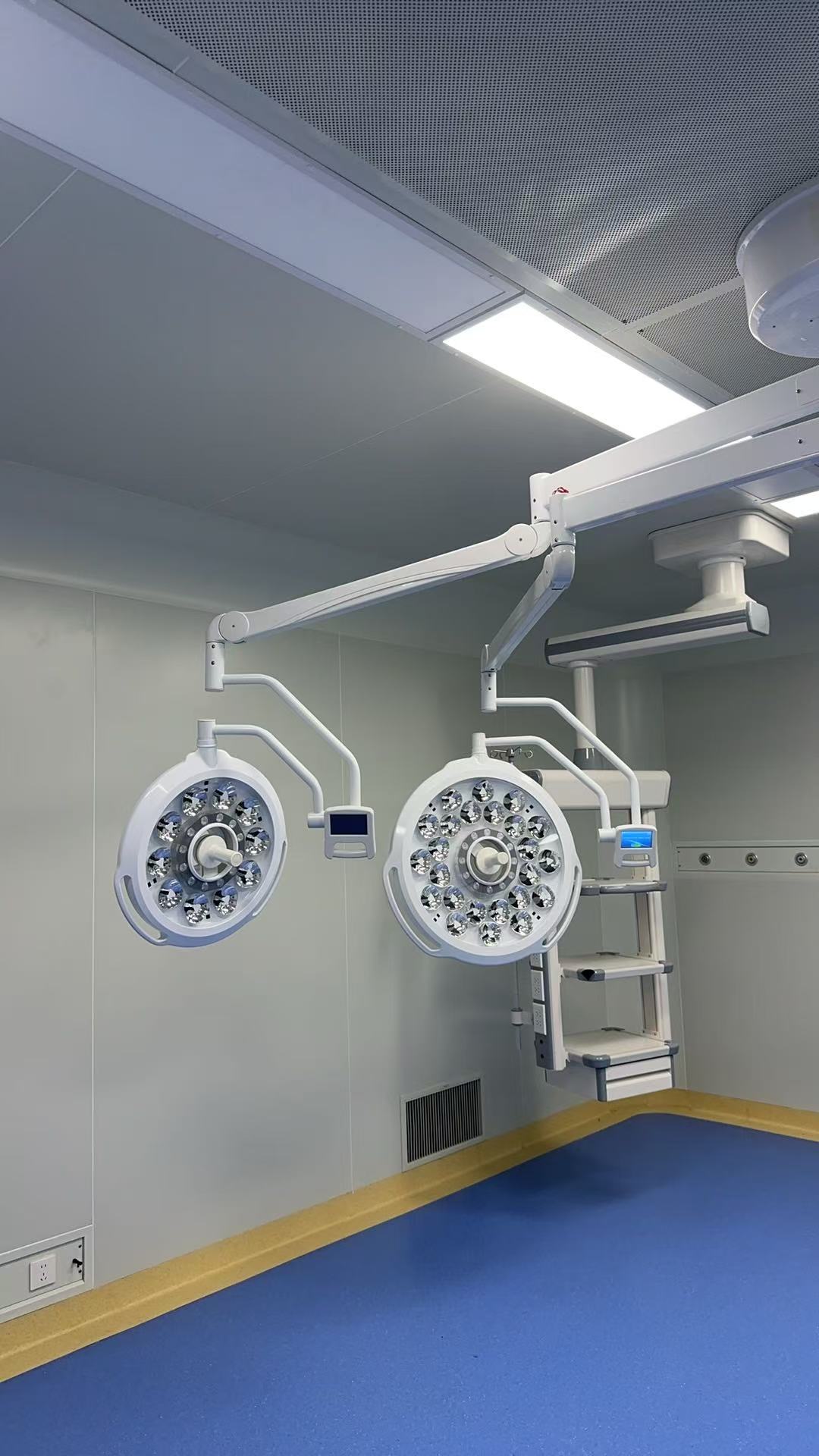
In modern healthcare environments, lighting is one of the most fundamental yet often underestimated elements that influence surgical success. Among various medical lighting systems, the shadowless operating lamp has become an essential piece of equipment in hospitals worldwide. It is specifically designed to provide high-intensity, uniform illumination without casting disruptive shadows on the surgical field, ensuring that surgeons can operate with maximum precision and safety.
As surgical procedures become increasingly complex and minimally invasive techniques continue to evolve, the demand for stable and high-quality lighting has grown significantly. The shadowless operating lamp addresses this need by using advanced multi-source LED technology, optical reflection systems, and adjustable brightness controls to create a clear and consistent visual environment.
This article explores the applications of the shadowless operating lamp in hospitals, its key advantages, technical features, and how it supports different departments in delivering better patient outcomes.
What Is a Shadowless Operating Lamp?
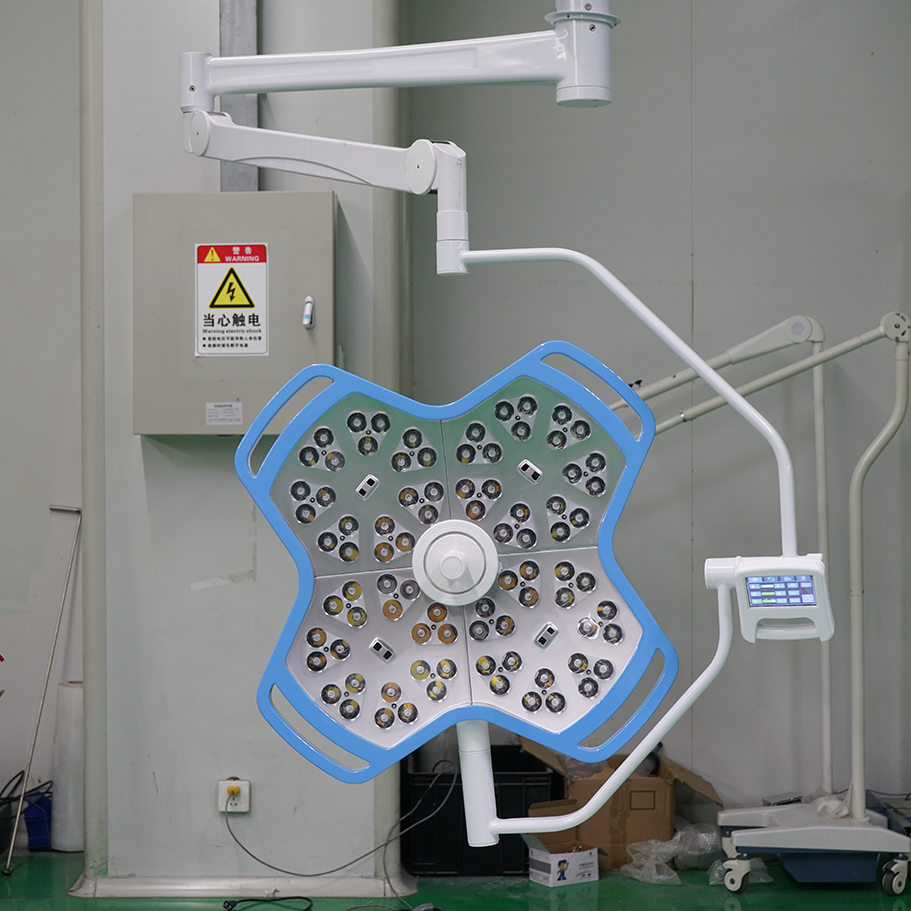
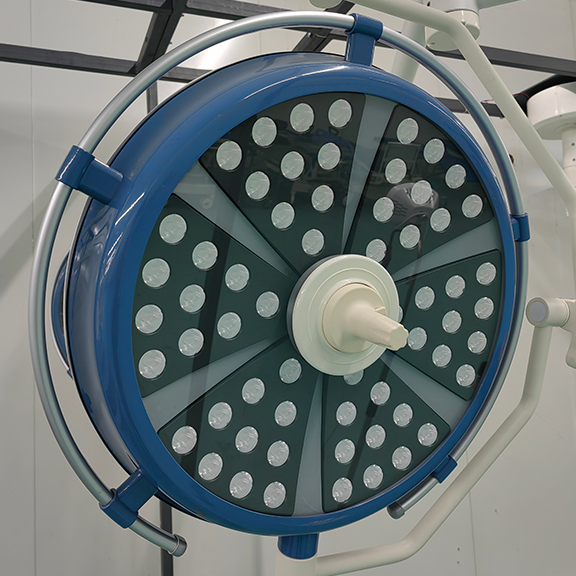
A shadowless operating lamp is a specialized surgical lighting system designed to eliminate shadows in the operating field by using multiple overlapping light beams. Unlike traditional single-source lighting, it ensures consistent illumination even when objects or hands obstruct part of the light.
These lamps are typically installed in operating rooms, emergency departments, and procedure rooms. They are available in ceiling-mounted, mobile, and wall-mounted configurations depending on hospital requirements.
Core Characteristics
| Feature | Description |
|---|---|
| Multi-point illumination | Multiple LEDs reduce shadow formation |
| High brightness output | Ensures clear visibility of surgical field |
| Adjustable color temperature | Supports different surgical requirements |
| Low heat emission | Prevents tissue drying and surgeon discomfort |
| Sterile handle control | Allows intraoperative adjustment |
These characteristics make the shadowless operating lamp a critical component in modern surgical infrastructure.
Applications of Shadowless Operating Lamp in Hospitals
The shadowless operating lamp is widely used across various hospital departments. Its versatility and reliability make it suitable for almost all clinical and surgical environments.
General Surgery Operating Rooms
In general surgery, precision is essential. Surgeons deal with internal organs, tissues, and blood vessels that require clear visibility.
The shadowless operating lamp ensures:
- Uniform lighting across the surgical site
- Reduced risk of visual misinterpretation
- Enhanced accuracy during incisions and suturing
Orthopedic Surgery Departments
Orthopedic procedures often involve bone alignment, fracture repair, and implant placement. These operations require strong, focused illumination.
In this application, the shadowless operating lamp provides:
- Deep cavity illumination
- High contrast visibility of bone structures
- Reduced glare during metallic instrument use
Neurosurgery Units
Neurosurgery is one of the most delicate fields in medicine. Even the smallest shadow or visual distortion can lead to critical errors.
The lamp supports neurosurgeons by:
- Providing stable, shadow-free illumination
- Enhancing visualization of microstructures
- Supporting long-duration surgeries without heat fatigue
Gynecology and Obstetrics Departments
In gynecological and obstetric procedures, lighting plays a crucial role in ensuring both maternal and fetal safety.
The shadowless operating lamp helps by:
- Offering soft yet precise illumination
- Supporting cesarean section procedures
- Improving visibility during minimally invasive gynecological surgeries
Emergency and Trauma Centers
Emergency rooms require immediate and reliable lighting solutions for critical cases.
Applications include:
- Trauma surgeries
- Wound suturing
- Emergency resuscitation procedures
The lamp ensures fast deployment and consistent lighting during high-pressure situations.
Technical Advantages of Shadowless Operating Lamp
Modern hospitals rely on advanced lighting systems to improve surgical outcomes. The shadowless operating lamp offers several technological advantages that make it superior to traditional lighting systems.
Key Technical Features
| Feature | Benefit |
|---|---|
| LED multi-source design | Eliminates shadows effectively |
| High Color Rendering Index (CRI ≥ 90) | Ensures accurate tissue color reproduction |
| Adjustable brightness levels | Supports different surgical needs |
| Energy-efficient system | Reduces hospital electricity costs |
| Long lifespan (50,000–100,000 hours) | Minimizes maintenance frequency |
| Low thermal radiation | Improves surgeon comfort |
These features collectively contribute to safer and more efficient surgical environments.
Types of Shadowless Operating Lamp Used in Hospitals
Different hospital departments require different lighting configurations. Below is a breakdown of commonly used types.
| Type | Description | Application |
|---|---|---|
| Ceiling-mounted lamp | Fixed overhead installation | Major operating rooms |
| Mobile shadowless lamp | Portable with wheels | Emergency and temporary setups |
| LED surgical lamp | Energy-efficient modern system | General hospital surgeries |
| Dual-head lamp system | Two lighting sources for depth | Complex surgical procedures |
| Wall-mounted lamp | Space-saving installation | Small clinics and procedure rooms |
Each type of shadowless operating lamp is designed to meet specific clinical requirements.
Role of Shadowless Operating Lamp in Surgical Accuracy
Surgical accuracy depends heavily on visibility. Even minor shadows can distort depth perception and lead to errors.
The shadowless operating lamp enhances accuracy by:
- Providing consistent illumination intensity
- Eliminating overlapping shadows
- Supporting clear visualization of tissue layers
- Reducing eye strain for surgeons
Comparison of Lighting Performance
| Lighting Feature | Shadowless Operating Lamp | Traditional Surgical Light |
|---|---|---|
| Shadow elimination | Excellent | Poor |
| Brightness uniformity | High | Medium |
| Heat generation | Low | High |
| Surgical precision support | Strong | Limited |
| Energy efficiency | High | Low |
This comparison highlights why modern hospitals increasingly adopt shadowless systems.
Hospital Workflow Efficiency Improvement
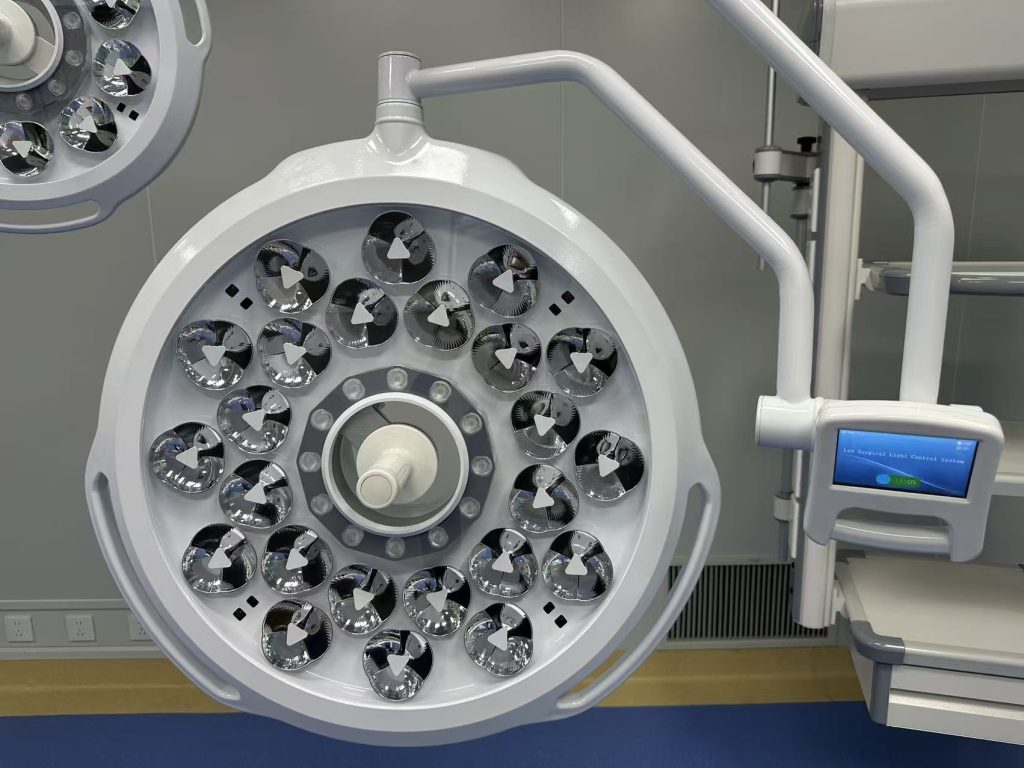
Beyond surgical accuracy, the shadowless operating lamp also improves overall hospital workflow efficiency.
Benefits to Hospital Operations
- Faster preparation of operating rooms
- Reduced need for repositioning lighting equipment
- Improved coordination between surgical teams
- Lower maintenance downtime
These operational improvements help hospitals manage higher patient volumes with better resource efficiency.
Maintenance and Safety Considerations
Proper maintenance ensures long-term performance and safety of the shadowless operating lamp.
Maintenance Checklist
| Task | Frequency |
|---|---|
| Surface cleaning | After every surgery |
| Light intensity check | Weekly |
| Mechanical arm inspection | Monthly |
| Electrical safety check | Quarterly |
| Sterile handle replacement | As required |
Hospitals must also follow strict sterilization protocols to maintain hygiene standards in operating rooms.
Future Development Trends
The shadowless operating lamp continues to evolve with advancements in medical technology.
Emerging Innovations
- Smart lighting systems with AI adjustment
- Integration with surgical navigation systems
- Voice-controlled brightness settings
- Wireless remote operation
- Improved ultra-high CRI LED modules
These innovations aim to further enhance surgical precision and operational convenience.
If you need medical equipment or other services, please contact us!
Email: demanmedical@gmail.com
Phone: +86-13188819888
Facebook:https://www.facebook.com/demanmedical/
Instagram: https://www.instagram.com/deman.medical/
YouTube: https://www.youtube.com/@DEMANmedical
Conclusion
The shadowless operating lamp plays a vital role in modern hospitals, supporting a wide range of surgical and clinical applications. From general surgery to neurosurgery and emergency care, it ensures that medical professionals can perform procedures with clarity, precision, and confidence.
Its advanced lighting technology, energy efficiency, and adaptability make it an indispensable tool in healthcare environments. As hospitals continue to adopt more advanced surgical techniques, the importance of reliable and high-performance lighting systems will only increase.
Ultimately, the shadowless operating lamp is not just a piece of equipment—it is a critical foundation for safe, effective, and successful surgical outcomes.
FAQ
What is a shadowless operating lamp used for in hospitals?
It is used to provide uniform, shadow-free lighting during surgical and medical procedures.
Why is a shadowless operating lamp important in surgery?
It improves visibility, reduces errors, and enhances precision by eliminating shadows in the surgical field.
Where is the shadowless operating lamp commonly used?
It is widely used in operating rooms, emergency departments, orthopedic units, and gynecology departments.
What is the advantage of LED shadowless operating lamps?
LED systems offer better energy efficiency, longer lifespan, lower heat emission, and higher brightness stability.
Can the shadowless operating lamp be adjusted during surgery?
Yes, most modern systems allow brightness and focus adjustments through sterile handles or control panels.