

Table of Contents
Introduction
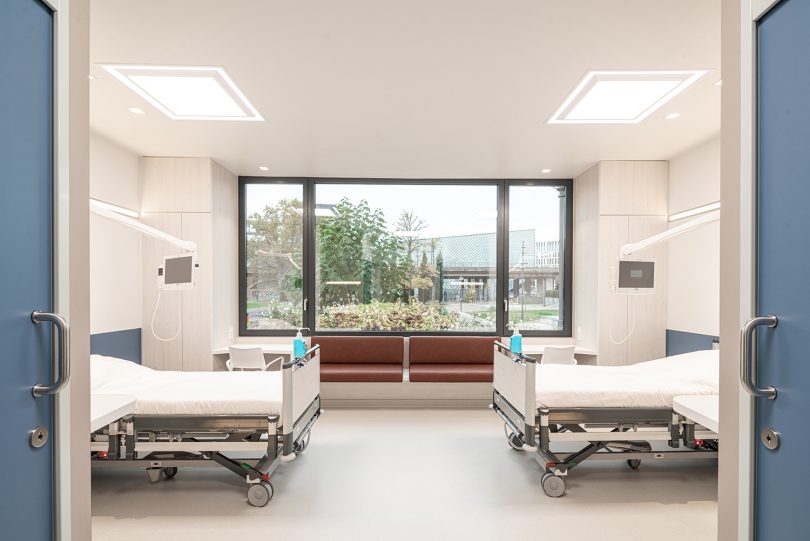
Choosing the right home medical equipment is an important decision for families, caregivers, and healthcare providers who want to deliver safe and effective care at home. As healthcare services continue to shift from hospitals to residential settings, the demand for reliable home medical equipment has grown significantly. Many patients recovering from surgery, elderly individuals, and people with chronic illnesses now rely on high-quality home medical equipment to maintain comfort, mobility, and independence.
However, selecting suitable home medical equipment can be challenging. There are many categories of home medical equipment, including hospital beds, mobility aids, patient transfer devices, monitoring systems, and rehabilitation products. Each type of home medical equipment must meet safety standards, match the patient’s medical condition, and fit the home environment.
In this guide, we will explain how to choose the best home medical equipment, what factors to consider before purchasing home medical equipment, and how caregivers can ensure long-term value when investing in home medical equipment. Whether you are a distributor, hospital buyer, or family caregiver, this article will help you make informed decisions about home medical equipment.
Understanding What Home Medical Equipment Includes
Before selecting home medical equipment, it is essential to understand what types of home medical equipment are commonly used in home healthcare environments. The term home medical equipment refers to medical devices designed for use outside hospitals or clinics, typically in residential care settings.
Common categories of home medical equipment include:
- Patient beds and adjustable hospital beds
- Mobility aids such as wheelchairs and walkers
- Patient transfer equipment
- Monitoring devices
- Rehabilitation tools
- Hygiene and patient care equipment
Below is a table showing typical categories of home medical equipment and their primary uses.
| Category | Examples | Main Purpose |
|---|---|---|
| Patient Beds | Electric hospital beds, ICU home beds | Improve comfort and patient positioning |
| Mobility Equipment | Wheelchairs, walkers | Help patients move safely |
| Transfer Devices | Stretchers, transfer chairs | Assist caregivers in patient transport |
| Monitoring Devices | Blood pressure monitors | Track patient health at home |
| Rehabilitation Equipment | Therapy beds, exercise tools | Support recovery |
Understanding these categories helps buyers evaluate which home medical equipment is necessary for specific patient needs.
Assess the Patient’s Medical Needs
The first step in choosing home medical equipment is evaluating the patient’s medical condition and care requirements. Not all patients require the same type of home medical equipment, and selecting the wrong home medical equipment may reduce effectiveness or create safety risks.
Key questions to ask when choosing home medical equipment include:
- Does the patient require mobility assistance?
- Is long-term bed care necessary?
- Will caregivers need transfer support devices?
- Is monitoring essential for chronic conditions?
For example, elderly patients recovering from surgery often need adjustable home medical equipment such as electric hospital beds and patient lifting devices. Meanwhile, patients with mobility limitations benefit from durable home medical equipment like wheelchairs or walking aids.
Selecting home medical equipment based on medical assessment ensures better patient outcomes and improves overall care efficiency.
Consider Safety and Quality Standards
Safety is one of the most important factors when selecting home medical equipment. Since home medical equipment will be used daily in a non-hospital environment, it must meet strict quality and safety requirements.
Reliable home medical equipment should include:
- Strong structural design
- Medical-grade materials
- Certified manufacturing standards
- Stable electrical systems
- Easy-to-use control functions
Below is a comparison table of important quality indicators for home medical equipment.
| Quality Factor | Why It Matters in Home Medical Equipment |
|---|---|
| Certification | Ensures safe and compliant home medical equipment |
| Durability | Guarantees long service life of home medical equipment |
| User-Friendly Design | Helps patients and caregivers operate home medical equipment easily |
| Maintenance Support | Reduces downtime of home medical equipment |
| Warranty | Protects investment in home medical equipment |
High-quality home medical equipment improves patient safety and reduces operational risks for caregivers.
Evaluate Space and Home Environment
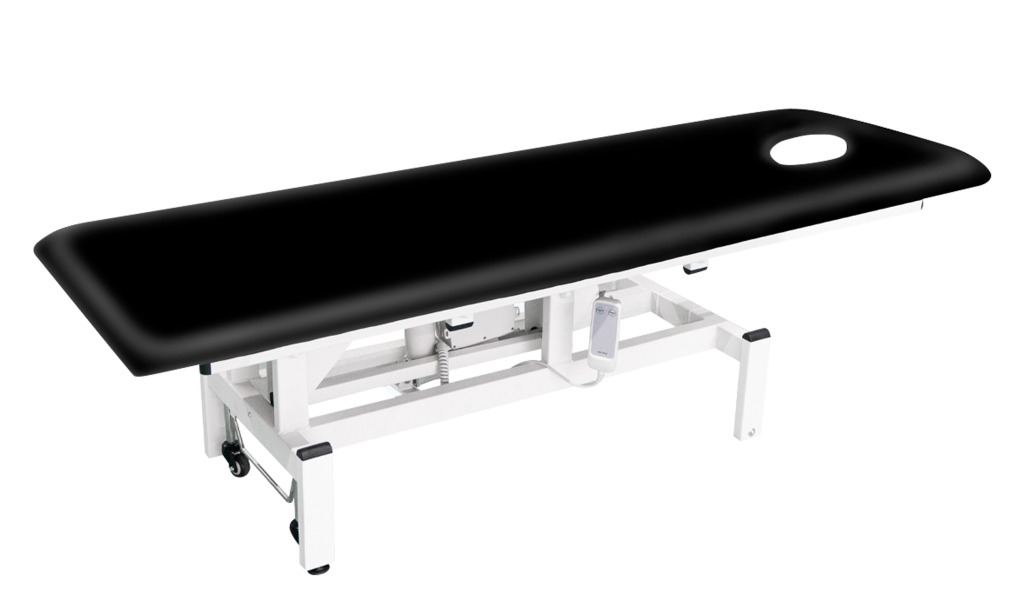
Another important factor when selecting home medical equipment is the home environment. Unlike hospitals, residential spaces often have limited room for large home medical equipment installations.
When installing home medical equipment, consider:
- Room size
- Door width
- Electrical supply
- Floor stability
- Caregiver access space
For example, some types of home medical equipment like electric hospital beds require additional space for movement and patient adjustment. Compact and multifunctional home medical equipment is often preferred for smaller homes.
Planning the layout of home medical equipment before purchasing helps avoid installation issues and improves usability.
Compare Different Types of Home Medical Equipment
When buyers compare home medical equipment, they should consider features, pricing, durability, and manufacturer reputation. Not all home medical equipment offers the same level of performance or reliability.
Below is a comparison table of common home medical equipment options.
| Equipment Type | Basic Model | Advanced Model | Best Use Case |
|---|---|---|---|
| Hospital Bed | Manual home medical equipment bed | Electric adjustable home medical equipment bed | Long-term patient care |
| Wheelchair | Standard wheelchair | Electric mobility home medical equipment | Limited mobility patients |
| Patient Transfer | Manual stretcher | Hydraulic transfer home medical equipment | Hospitals and home care |
| Monitoring Device | Basic health monitor | Smart home medical equipment monitor | Chronic disease management |
Comparing home medical equipment options ensures buyers select the most suitable solution for patient care.
Check Manufacturer and Supplier Reliability
Choosing a trusted manufacturer is critical when buying home medical equipment. High-quality home medical equipment is typically produced by experienced manufacturers with advanced production capabilities.
Reliable home medical equipment suppliers usually offer:
- Factory production
- Strict quality inspection
- Customization options
- Global certifications
- After-sales support
When evaluating home medical equipment suppliers, it is helpful to review their product range, production facilities, and experience in manufacturing home medical equipment for international markets.
A professional manufacturer ensures consistent quality across all home medical equipment products.
Cost vs Long-Term Value of Home Medical Equipment
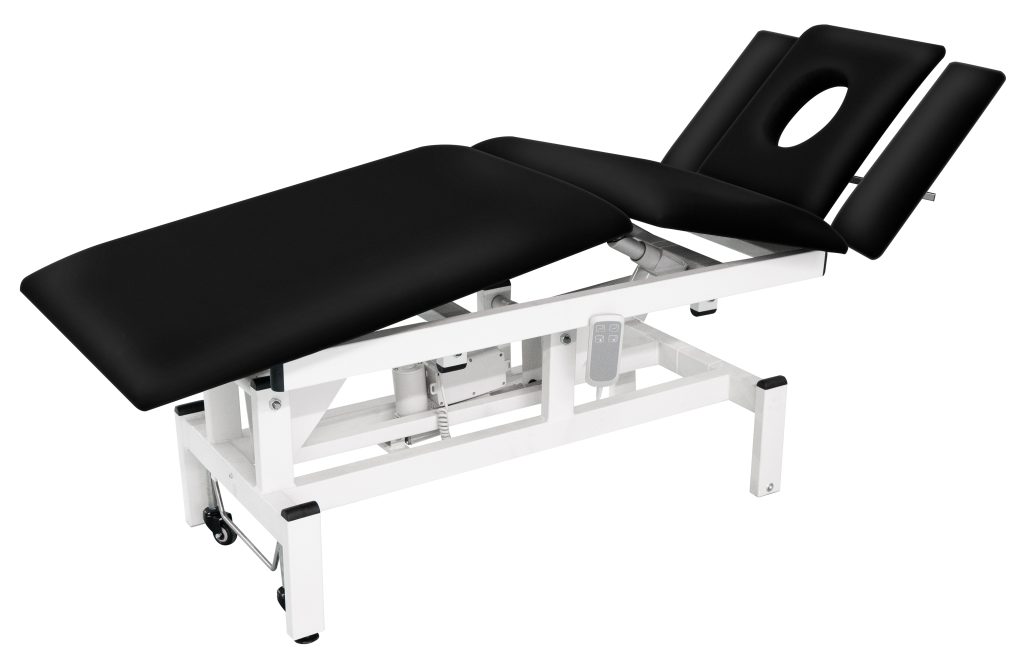
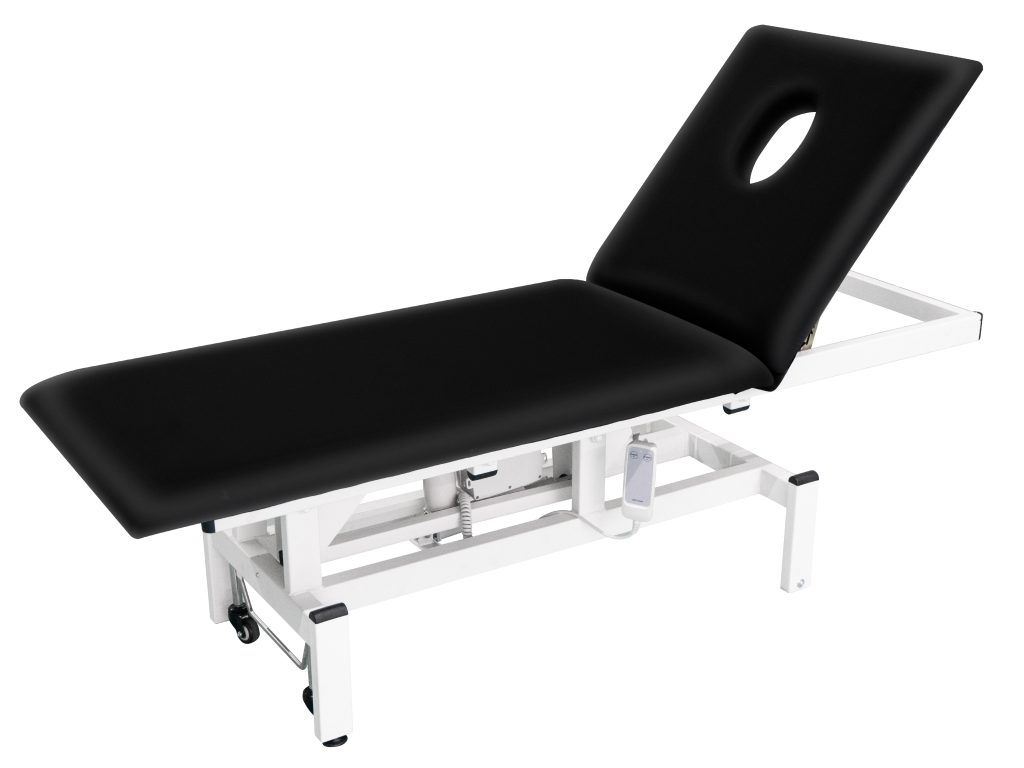
Many buyers focus only on price when purchasing home medical equipment, but long-term value is more important. Investing in durable home medical equipment reduces maintenance costs and replacement frequency.
Important cost factors include:
- Initial purchase price
- Maintenance cost
- Product lifespan
- Energy efficiency
- Spare parts availability
Below is a cost evaluation table for home medical equipment buyers.
| Cost Factor | Low-Cost Equipment | High-Quality Home Medical Equipment |
|---|---|---|
| Initial Cost | Lower | Higher |
| Durability | Shorter lifespan | Long-lasting |
| Maintenance | Frequent repairs | Minimal maintenance |
| Safety | Basic protection | Advanced safety features |
| Overall Value | Lower long-term value | Better long-term investment |
Selecting reliable home medical equipment ensures better financial efficiency over time.
Future Trends in Home Medical Equipment
The market for home medical equipment continues to grow rapidly as healthcare shifts toward home-based care solutions. Modern home medical equipment now includes smart technology, remote monitoring, and improved ergonomic design.
Emerging trends in home medical equipment include:
- Smart monitoring systems
- Remote healthcare integration
- IoT-enabled home medical equipment
- Advanced patient safety systems
- Compact and multifunctional equipment
As innovation continues, home medical equipment will become even more essential in modern healthcare systems.
If you need medical equipment or other services, please contact us!
Email: demanmedical@gmail.com
Phone: +86-13188819888
Facebook: https://www.facebook.com/people/Deman-medical-equipment-Coltd/61567299422360/
Instagram: https://www.instagram.com/deman.medical/
YouTube: https://www.youtube.com/@DEMANmedical
Conclusion
Choosing the right home medical equipment requires careful planning, proper medical assessment, and evaluation of quality standards. By understanding patient needs, comparing different types of home medical equipment, and selecting reliable manufacturers, buyers can ensure better care outcomes and improved patient comfort.
High-quality home medical equipment not only supports patient recovery but also helps caregivers deliver efficient care at home. As the demand for home medical equipment continues to grow worldwide, selecting safe, durable, and well-designed home medical equipment becomes increasingly important.
Whether you are a healthcare provider, distributor, or family caregiver, investing in the right home medical equipment can make a significant difference in long-term patient health and care quality.
FAQ
What is home medical equipment?
Home medical equipment refers to medical devices designed for patient care in residential settings. Examples of home medical equipment include hospital beds, mobility aids, and monitoring devices.
Who needs home medical equipment?
Patients recovering from surgery, elderly individuals, and people with chronic illnesses often require home medical equipment to maintain independence and safety.
How do I choose reliable home medical equipment?
To select reliable home medical equipment, consider product quality, certifications, manufacturer reputation, and patient needs.
Is home medical equipment expensive?
The cost of home medical equipment varies depending on features and quality. High-quality home medical equipment may have a higher upfront cost but provides better long-term value.
Where can I buy home medical equipment?
You can purchase home medical equipment from medical equipment manufacturers, distributors, or specialized healthcare suppliers that provide certified home medical equipment products.