DESCRIPTION
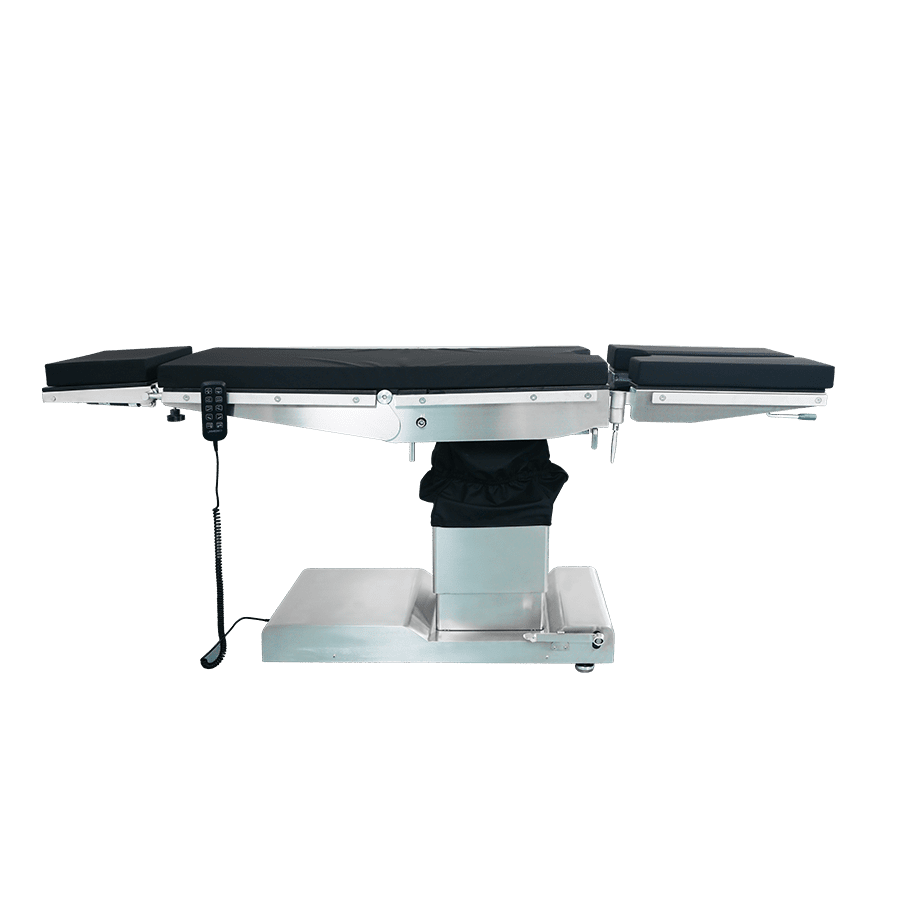
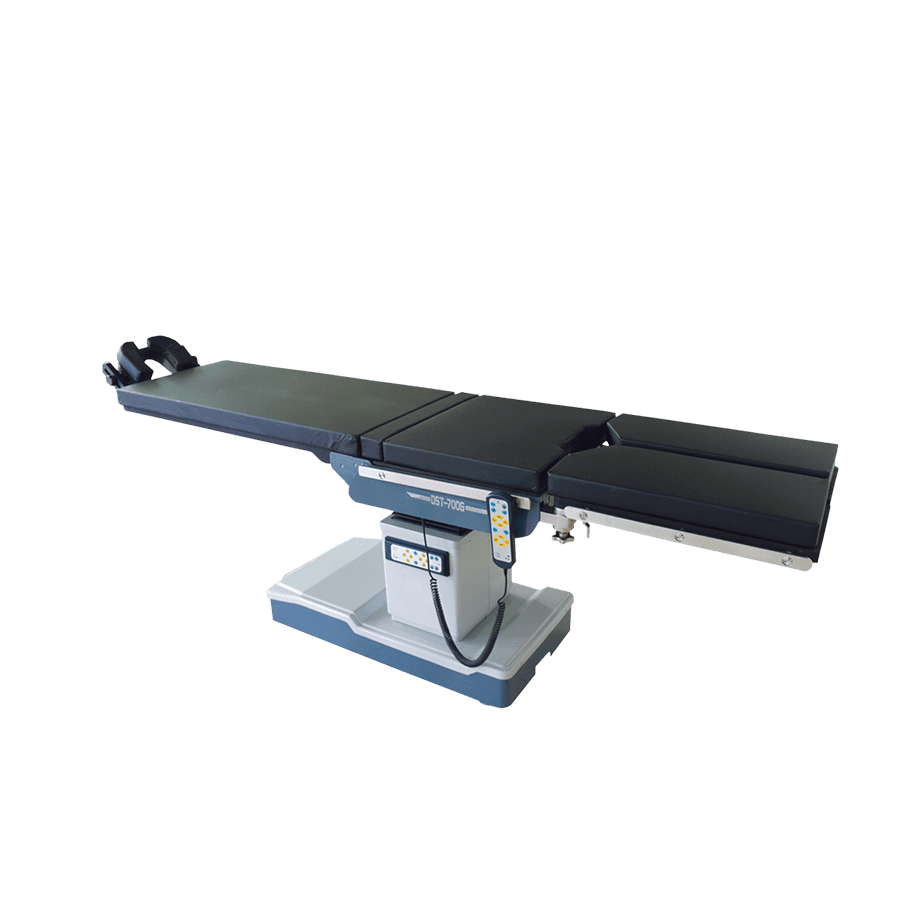
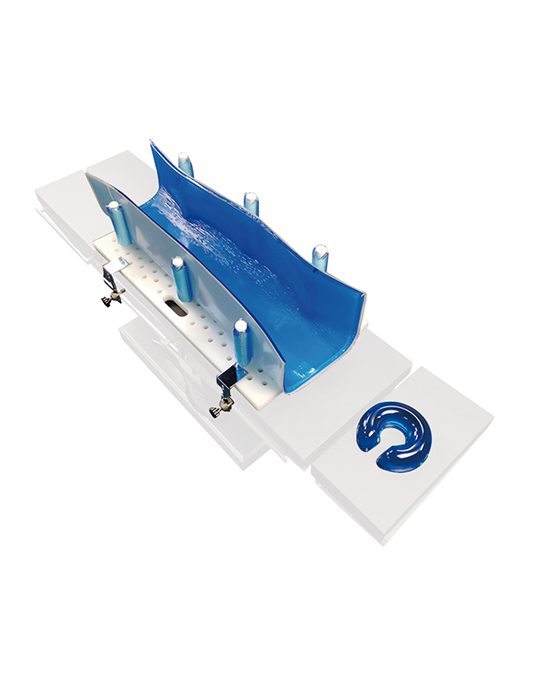
● The lateral positioning system is an auxiliary operating table accessory designed to maintain and stabilize the patient in a lateral decubitus position during surgical procedures.
● It is widely used in modern operating rooms as an essential patient positioning solution for procedures requiring side-lying posture.
● The system typically consists of support pads, fixation blocks, restraint straps, and adjustable positioning brackets.
● It provides multi-point support to key anatomical areas including the shoulders, back, pelvis, and lower limbs.
● This multi-point fixation design effectively prevents intraoperative patient sliding or unintended posture changes.
● The system ensures stable positioning throughout long-duration surgical procedures, maintaining optimal alignment.
● By minimizing patient movement, it significantly reduces the risk of intraoperative complications and pressure-related injuries.
● The stable positioning enhances surgical precision by providing surgeons with a clearer and more consistent operative field.
● Ergonomic pressure distribution design helps improve patient comfort and reduces localized pressure accumulation during surgery.
● It is widely applied in urology, thoracic surgery, orthopedics, and other procedures requiring lateral positioning, making it a critical component of modern surgical positioning systems.
● It is widely used in modern operating rooms as an essential patient positioning solution for procedures requiring side-lying posture.
● The system typically consists of support pads, fixation blocks, restraint straps, and adjustable positioning brackets.
● It provides multi-point support to key anatomical areas including the shoulders, back, pelvis, and lower limbs.
● This multi-point fixation design effectively prevents intraoperative patient sliding or unintended posture changes.
● The system ensures stable positioning throughout long-duration surgical procedures, maintaining optimal alignment.
● By minimizing patient movement, it significantly reduces the risk of intraoperative complications and pressure-related injuries.
● The stable positioning enhances surgical precision by providing surgeons with a clearer and more consistent operative field.
● Ergonomic pressure distribution design helps improve patient comfort and reduces localized pressure accumulation during surgery.
● It is widely applied in urology, thoracic surgery, orthopedics, and other procedures requiring lateral positioning, making it a critical component of modern surgical positioning systems.