Pendahuluan
In modern operating rooms, proper illumination is critical to ensure surgical precision and patient safety. One of the most intriguing questions in surgical technology is how do surgical lights not cast shadows during procedures. Unlike ordinary lights, surgical lighting systems are specifically engineered to minimize or eliminate shadows that could obstruct a surgeon’s view. Understanding this principle is essential for healthcare professionals, hospital administrators, and biomedical engineers who aim to enhance operating room efficiency.
This article delves into the technology, design principles, and practical considerations behind shadow-free surgical lighting. We will also examine common lighting configurations, innovations in LED systems, and best practices for maintaining optimal illumination. By the end, readers will have a comprehensive understanding of how do surgical lights not cast shadows and why this matters in modern healthcare.
Why Shadow-Free Lighting Matters in Surgery
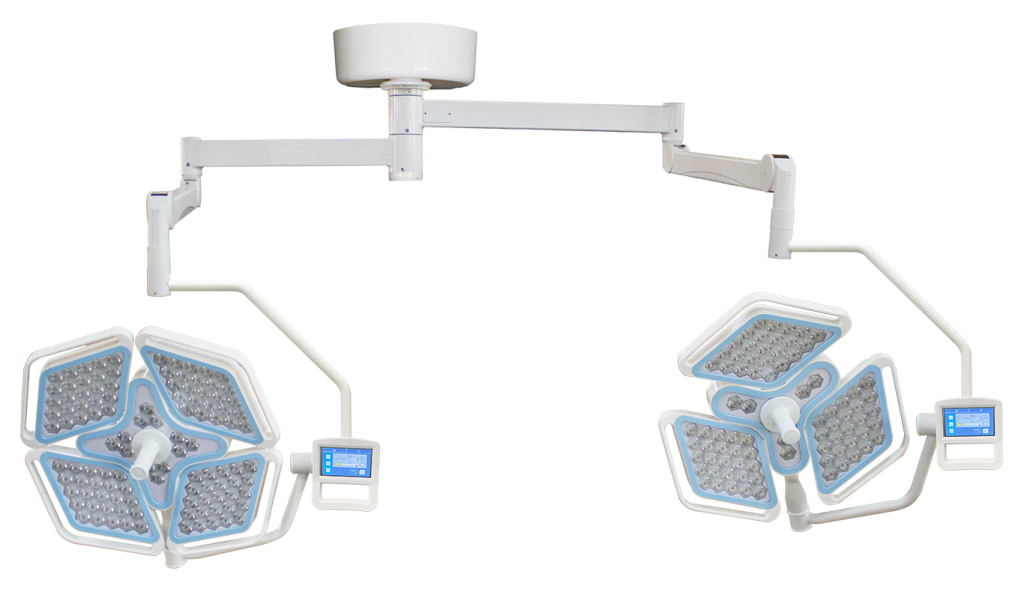
Shadows in the operating room can be detrimental, affecting visibility and surgical accuracy. Surgeons must rely on clear illumination to distinguish tissue types, identify anatomical structures, and perform delicate procedures safely.
Key Impacts of Shadows
| Impact | Consequence |
|---|---|
| Reduced visibility | Misidentification of tissues |
| Increased fatigue | Eye strain for surgical staff |
| Higher risk | Potential for errors during surgery |
| Slower procedures | Reduced operational efficiency |
Shadow-free surgical lighting ensures continuous, consistent illumination, providing surgeons with a reliable working environment. Understanding how do surgical lights not cast shadows requires examining the underlying design principles that make this possible.
Design Principles: How Do Surgical Lights Not Cast Shadows
Modern surgical lights utilize several key design features to prevent shadows:
Multiple Light Sources
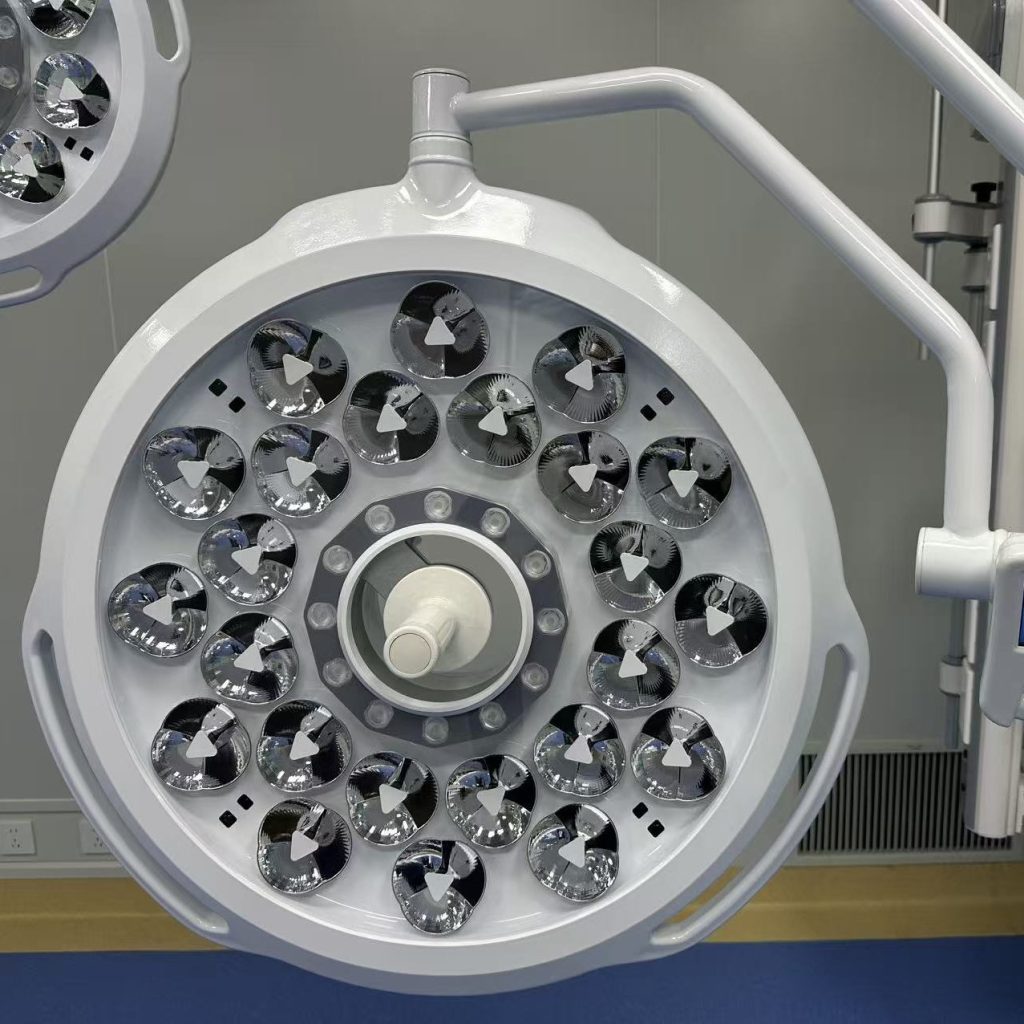
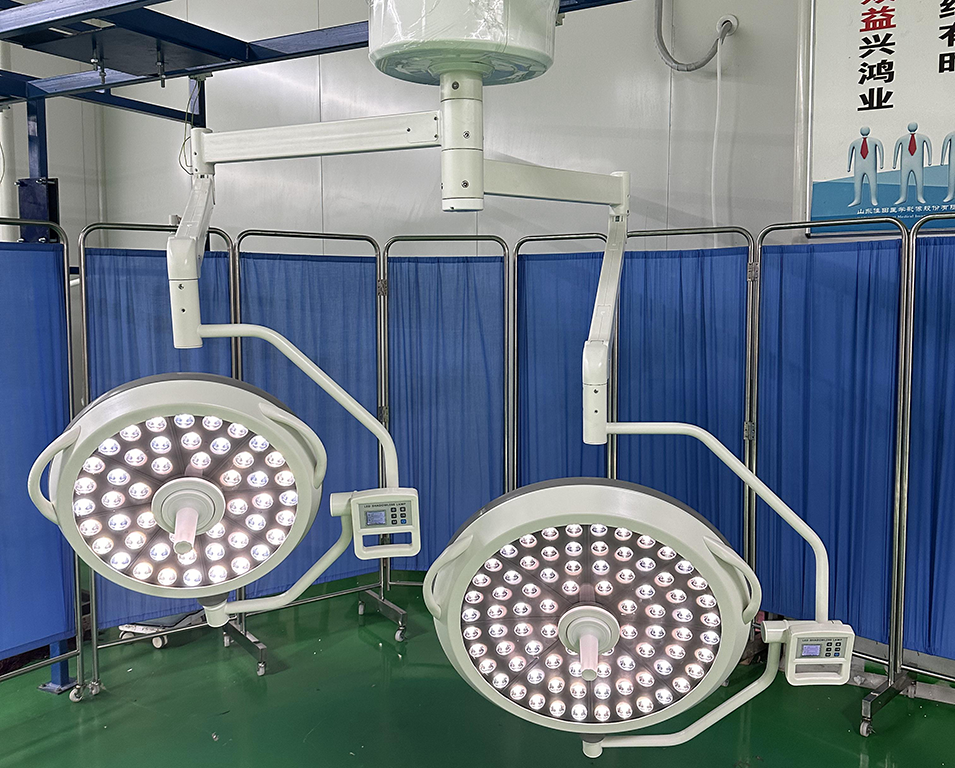
One of the primary reasons surgical lights do not cast shadows is the use of multiple overlapping light sources. By strategically placing several LED or halogen bulbs in a dome or multi-arm configuration, the light reaches the surgical field from different angles. If one light beam is blocked, others compensate, effectively eliminating shadows.
Reflector and Lens Systems
Advanced reflector and lens technology distributes light uniformly across the surgical site. This ensures that the intensity is balanced, preventing dark spots caused by the surgeon’s hands, instruments, or other equipment.
| Komponen | Function |
|---|---|
| Multi-lens array | Directs light beams precisely |
| Parabolic reflectors | Evenly distribute illumination |
| Adjustable optics | Focus light without causing glare |
Adjustable Intensity and Focus
Surgeons can fine-tune both the brightness and focus of the light, allowing the beams to converge accurately on the surgical area. Adjustable intensity ensures that the field is illuminated even if objects partially block some light paths.
Light Overlap and Dome Design
The overlapping of multiple light beams in a dome pattern is crucial. This design ensures that when a shadow occurs from one angle, other beams fill in the dark area, creating a continuous, shadow-free field.
Types of Shadow-Free Lampu Bedah
Different types of surgical lights are designed to minimize shadows while meeting specific procedural needs. Each has unique characteristics that contribute to shadow elimination.
Ceiling-Mounted Lights
Ceiling-mounted lights are the most common solution in operating rooms. They often include multiple domes or LED arrays positioned to ensure maximum coverage.
| Fitur | Manfaat |
|---|---|
| Multi-dome arrangement | Overlapping light beams reduce shadows |
| Adjustable arms | Flexible positioning for different procedures |
| LED or halogen options | High-intensity illumination |
Mobile Surgical Lights
Mobile lights are versatile and ideal for clinics or temporary setups. Despite their portability, they incorporate multiple LEDs and reflective systems to minimize shadows.
Wall-Mounted Surgical Lights
Wall-mounted systems are typically used when ceiling installation is impractical. They are designed with multi-lens technology to maintain uniform illumination and reduce shadow formation.
Hybrid Systems
Some operating rooms utilize hybrid systems combining ceiling-mounted and mobile lights, providing enhanced flexibility while maintaining shadow-free conditions.
Advanced Technology in Shadow-Free Lighting
Modern surgical lighting systems employ cutting-edge technologies to address the question how do surgical lights not cast shadows.
LED Technology
LEDs provide brighter, focused light with lower heat output. Their compact design allows multiple diodes to be arranged in overlapping configurations that reduce shadows.
Intelligent Control Systems
Advanced systems allow surgeons to control the intensity, focus, and color temperature of the light. Some models even use motion sensors to adjust illumination dynamically based on the position of the surgical team and instruments.
Anti-Glare and Uniformity Enhancements
New reflector designs, diffusers, and dome patterns ensure that light intensity is uniform across the surgical site, eliminating hot spots and shadows.
| Technology | Function |
|---|---|
| Multi-LED arrays | Provide multiple light angles |
| Diffusers | Evenly distribute illumination |
| Motion sensors | Adjust beams automatically |
| Color correction filters | Enhance tissue visibility |
Integration with Imaging Systems
Some surgical lights integrate with cameras for live surgical recording and telemedicine. The uniform light distribution ensures high-quality visuals without shadows or glare.
Best Practices for Maintaining Shadow-Free Illumination
Even with advanced technology, proper setup and maintenance are crucial.
Positioning and Angle Adjustment
Correct positioning ensures that the light beams converge effectively. Regular training for surgical teams is recommended.
Regular Maintenance
Cleaning reflectors, lenses, and LED arrays prevents dust or smudges that can create shadow-like effects.
Upgrading Older Systems
Replacing outdated halogen lights with modern LED-based surgical lights significantly improves shadow reduction and energy efficiency.
Staff Awareness
Surgeons and assistants should be aware of light positions during procedures to minimize accidental shadowing.
Future Trends in Shadow-Free Surgical Lighting
The question how do surgical lights not cast shadows continues to inspire innovation. Emerging trends include:
AI-Enhanced Lighting
Artificial intelligence can dynamically adjust light angles and intensity in real-time based on surgical field activity.
Robotic Surgery Integration
Surgical lights are being integrated with robotic surgery systems to automatically align with instruments and surgical cameras.
Sterility and Touchless Control
Future designs incorporate touchless controls, voice commands, and sterilizable interfaces to maintain a sterile environment without compromising illumination.
Energy Efficiency
LED-based systems continue to evolve, offering longer lifespans and reduced energy consumption while maintaining shadow-free illumination.
Jika Anda membutuhkan peralatan medis atau layanan lainnya, silakan hubungi kami!
Email: demanmedical@gmail.com
Telepon: +86-13188819888
Facebook:https://www.facebook.com/demanmedical/
Instagram: https://www.instagram.com/deman.medical/
YouTube: https://www.youtube.com/@DEMANmedical
Kesimpulan
The question how do surgical lights not cast shadows is answered through a combination of advanced design, multiple light sources, lens and reflector technology, and intelligent control systems. By understanding the principles behind shadow-free illumination, hospitals and clinics can enhance surgical precision, reduce fatigue for staff, and improve patient outcomes.
Modern surgical lighting solutions, particularly LED-based systems, offer unmatched brightness, uniformity, and flexibility. Investing in high-quality shadow-free surgical lights ensures that surgical teams can focus on patient care without being hindered by shadows or poor visibility.
Pertanyaan yang Sering Diajukan
How do surgical lights not cast shadows?
Surgical lights use multiple light sources, reflectors, lenses, and overlapping beams to ensure that if one path is blocked, other beams fill in the dark area, effectively eliminating shadows.
Why is shadow-free lighting important in surgery?
Shadows can obstruct visibility, increase eye strain, and lead to surgical errors. Shadow-free lighting ensures continuous and reliable illumination of the surgical site.
What types of surgical lights minimize shadows?
Ceiling-mounted, mobile, wall-mounted, and hybrid systems all incorporate technology to reduce shadows through multiple light sources and adjustable optics.
How do LED surgical lights contribute to shadow-free illumination?
LEDs can be arranged in compact arrays, allowing overlapping beams and precise control of intensity and focus, which reduces shadow formation.
Can older halogen surgical lights provide shadow-free lighting?
Older halogen systems are less effective at preventing shadows due to fewer light sources and less advanced optics. Upgrading to LED or multi-dome systems improves shadow reduction.