

Introduction
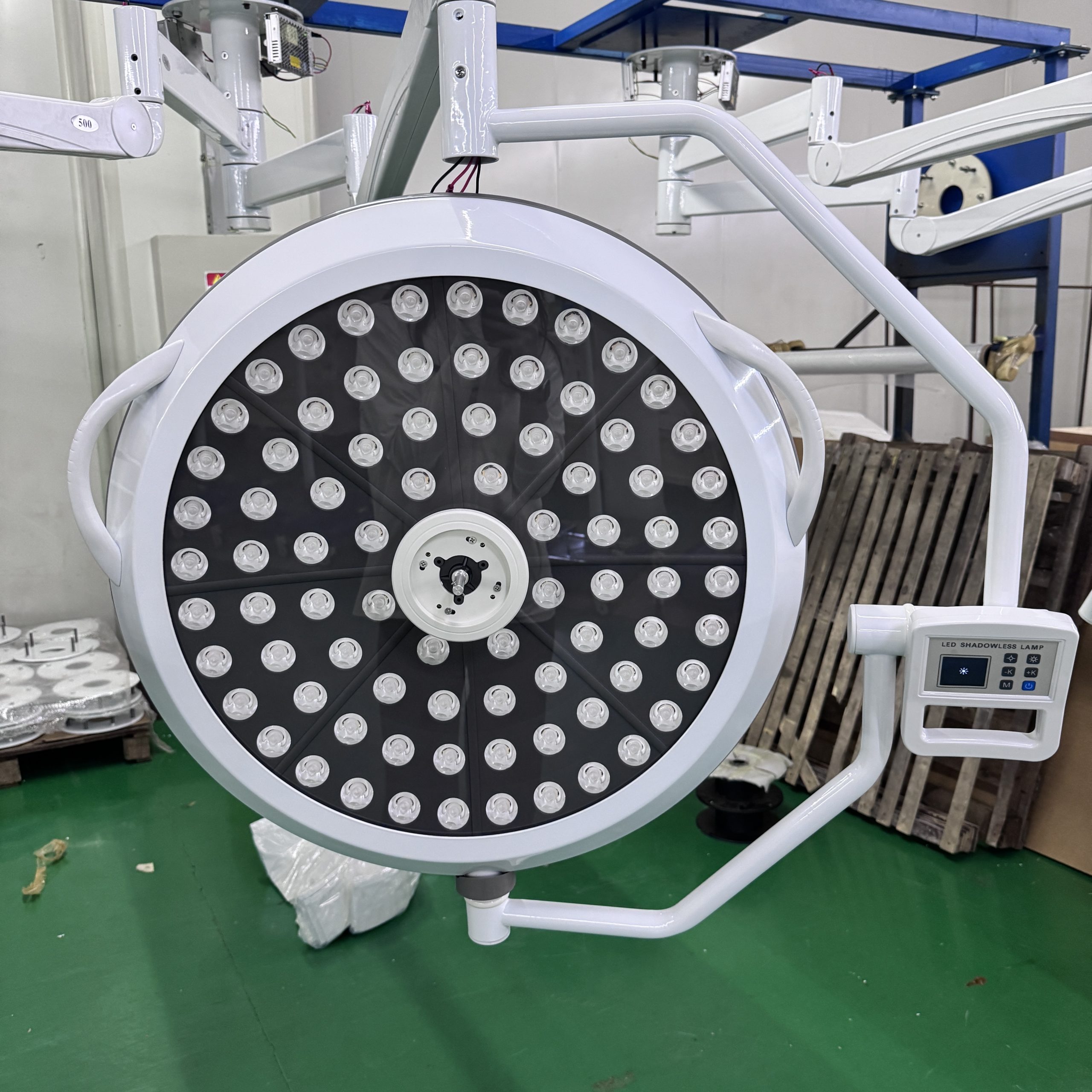
Investing in surgical lighting is a high-stakes decision for hospitals, clinics, dental practices, and veterinary facilities. As the visual foundation of every operating room, a shadowless lamp directly impacts surgical precision and patient safety.
For procurement teams and clinical leaders, understanding the shadowless lamp price landscape in 2026 is critical to balancing performance, regulatory compliance, and budget limits.
The global surgical lighting market has shifted dramatically toward LED technology, which now makes up over 85% of new installations. Today, the shadowless lamp price ranges from under $100 for basic portable exam units to over $50,000 for top-tier dual-dome systems with integrated imaging and smart controls.
This wide gap can make purchasing overwhelming for buyers without clear benchmarks. This guide breaks down the 2026 shadowless lamp price structure, compares core product categories, explains key cost drivers, and outlines total ownership expenses.
Whether you are outfitting a new operating suite or upgrading existing equipment, you will find actionable data to make a cost-effective, clinically sound investment.
Shadowless Lamp Product Categories & Clinical Use Cases
Before evaluating costs, it is essential to match the right product type to your clinical needs. The 2026 market is split into four core categories, each built for specific procedural environments.
Portable & Mobile Exam Lights
These are entry-level units mounted on rolling stands or wall brackets. They deliver lower illuminance for minor procedures, outpatient care, dental offices, and veterinary clinics. They require no permanent installation and can be moved between rooms as needed.
Single-Dome Ceiling-Mounted Lamps
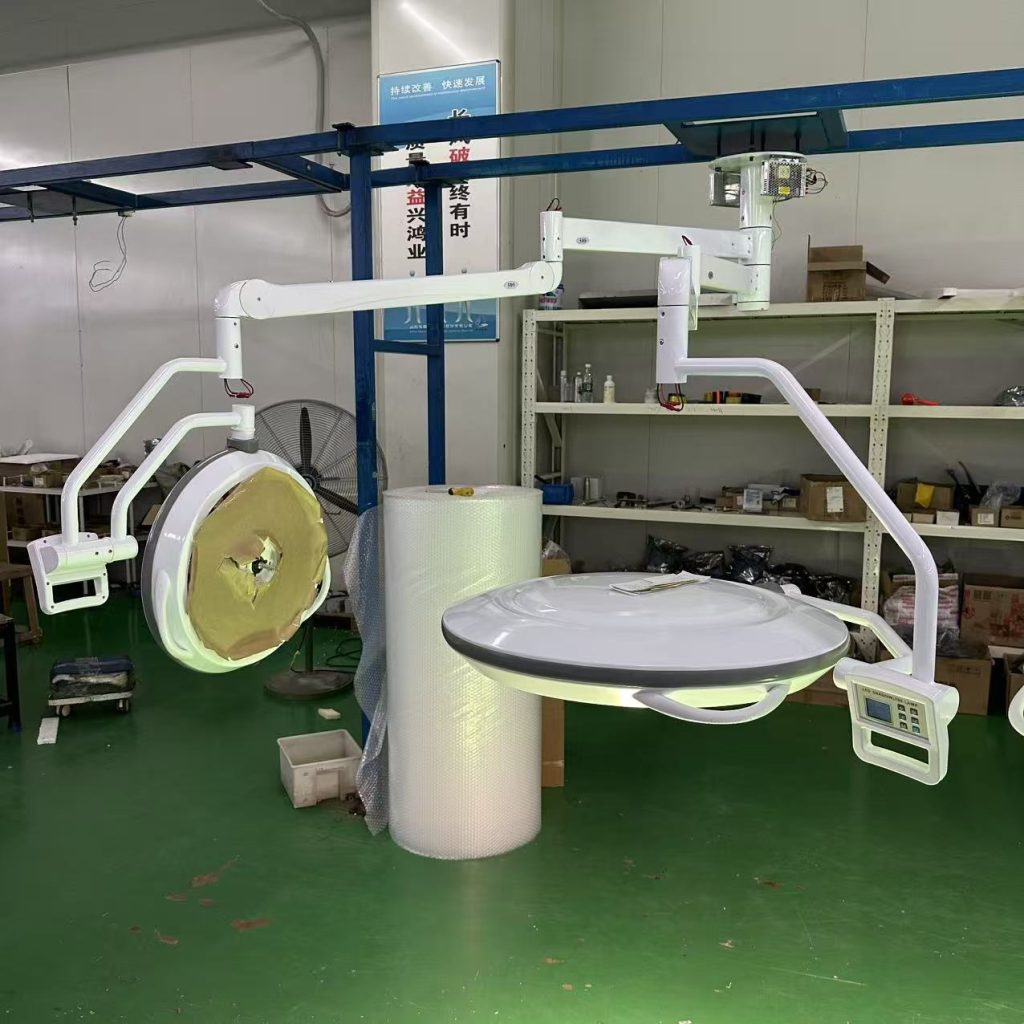
This is the standard configuration for small to mid-sized hospital operating rooms. Permanently installed with an articulating arm, they provide consistent, shadow-free illumination for general surgery, orthopedics, and routine procedures.
Dual-Dome Ceiling Systems
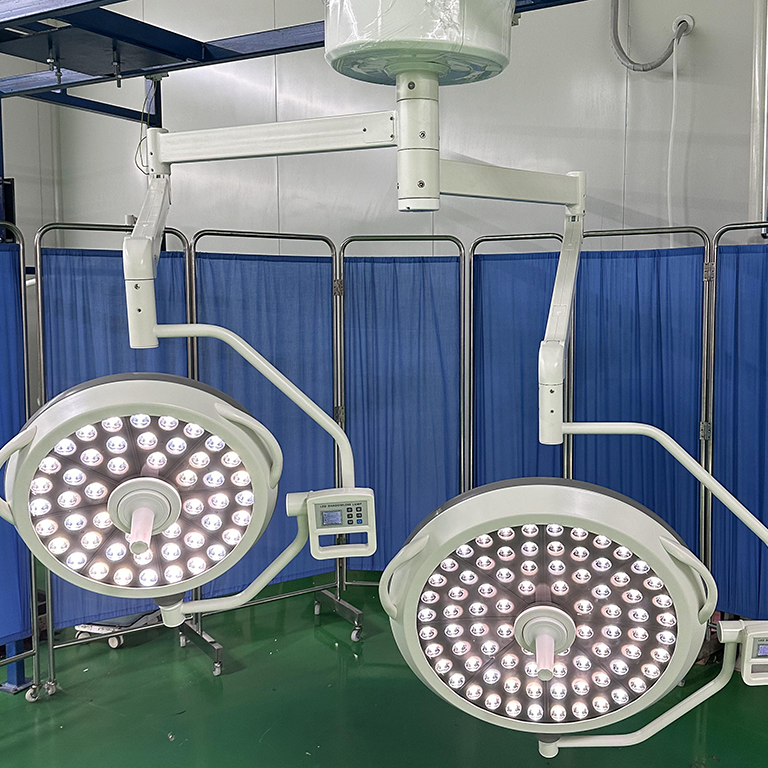
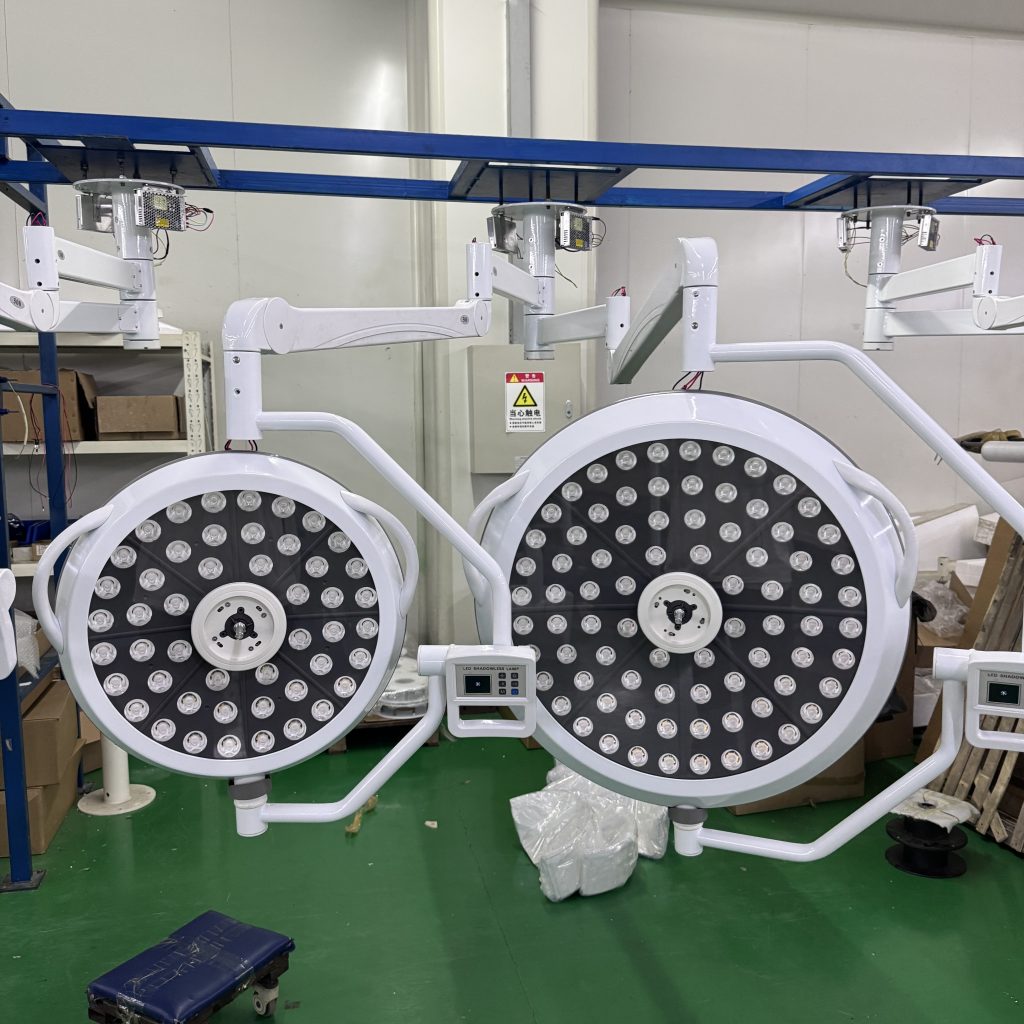
Featuring two independently adjustable light heads on a single ceiling mount, these deliver maximum shadow reduction and coverage. They are the default choice for major surgery, cardiovascular care, and neurosurgery in large hospitals.
Premium Integrated Systems
These high-end units include advanced features such as built-in HD cameras, video recording, multi-color temperature adjustment, and surgical navigation connectivity. They are designed for teaching hospitals, hybrid operating rooms, and robotic surgery suites.
Shadowless Lamp Price Breakdown by Type (2026)
The table below summarizes 2026 market pricing across all major product categories, based on data from global manufacturers and distributors.
Table 1: Shadowless Lamp Price Range by Product Category
表格
| Product Category | Entry-Level | Mid-Range | Premium | Primary Applications |
|---|---|---|---|---|
| Portable Mobile Exam Light | $99 – $350 | $350 – $800 | $800 – $1,500 | Minor procedures, dental, veterinary |
| Wall-Mounted Shadowless Lamp | $188 – $450 | $450 – $900 | $900 – $1,800 | Exam rooms, ENT clinics, dental suites |
| Single-Dome Ceiling LED Lamp | $420 – $1,000 | $1,000 – $2,500 | $2,500 – $8,000 | Standard OR, general surgery |
| Dual-Dome Ceiling LED Lamp | $2,000 – $3,500 | $3,500 – $7,000 | $7,000 – $20,000+ | Major OR, cardiovascular, neurosurgery |
| Premium Integrated System | $8,000 – $15,000 | $15,000 – $30,000 | $30,000 – $60,000+ | Teaching hospitals, hybrid ORs |
As shown, the shadowless lamp price scales directly with performance and installation complexity. Entry-level portable units offer accessible pricing for small facilities, while premium dual-dome systems represent a significant capital investment.
Mounting type also affects final cost. Floor-standing units require no professional installation, while ceiling-mounted systems add 15–30% to the total price for structural mounting, electrical integration, and calibration. Wall-mounted units fall in between, requiring basic electrical work but no ceiling reinforcement.
Key Factors That Influence Shadowless Lamp Price
Multiple technical and commercial factors explain price differences across seemingly similar products. Understanding these drivers helps buyers prioritize features and avoid unnecessary spending.
Optical Performance
Illuminance is the primary cost driver. Brightness ranges from 40,000 lux for basic exam lights to over 160,000 lux for premium surgical systems. Higher brightness requires precision lenses, high-grade LED chips, and advanced thermal management, all of which raise production costs.
Lamps with a Color Rendering Index (CRI) above Ra95 — critical for accurate tissue color differentiation in complex surgery — cost 20–40% more than standard LED models.
Regulatory Compliance & Build Quality
Products with CE marking, FDA clearance, ISO 13485 certification, and IEC 60601-1 safety compliance carry a premium, as manufacturers invest heavily in testing and ongoing audits.
Build quality also varies widely. Premium systems use medical-grade materials and precision articulating arms that hold position reliably, while budget models may use lower-grade plastics and weaker mechanical components that degrade faster in clinical environments.
Brand & Manufacturing Origin
Established European and North American brands command premium pricing due to extensive R&D and global service networks. Certified Chinese manufacturers offer comparable performance at 40–60% lower prices, though quality varies across suppliers and requires thorough due diligence.
Added Features & Integration
Built-in HD cameras, touchscreen controls, battery backup, sterile handle controls, and smart connectivity each add 10–30% to the base cost. Facilities should distinguish clinically necessary features from optional upgrades to control spending.
Total Cost of Ownership: Beyond the Upfront Price
The upfront shadowless lamp price is only a fraction of the total investment over the equipment’s lifecycle. Factoring in long-term expenses is critical for accurate budgeting.
Installation Costs
For ceiling-mounted systems, professional installation — including structural work, electrical wiring, and photometric calibration — typically costs 15–35% of the purchase price. Retrofit installations in existing rooms may cost more if structural upgrades are required.
Maintenance Expenses
Maintenance costs are far lower for LED systems than for older halogen models. LED arrays have 50,000+ hour lifespans, meaning most facilities never need to replace the light source during the lamp’s service life.
Annual preventive maintenance, including calibration and mechanical inspection, costs $200–$500 per unit. Many facilities opt for annual service contracts, which cost 5–10% of the original shadowless lamp price per year.
Energy & Operational Savings
A dual-dome LED system uses roughly 80% less electricity than an equivalent halogen model, saving hundreds of dollars per year. Lower heat output also reduces air conditioning loads in operating rooms, generating secondary savings.
Table 2: 10-Year Total Cost of Ownership (Single-Dome Ceiling Lamp)
| Élément de coût | Budget LED ($800 initial) | Mid-Range LED ($2,000 initial) | Premium LED ($6,000 initial) |
|---|---|---|---|
| Purchase Price | $800 | $2,000 | $6,000 |
| Installation | $200 | $350 | $600 |
| 10-Year Maintenance | $1,500 | $2,000 | $3,000 |
| 10-Year Electricity | $350 | $420 | $520 |
| Replacement Parts | $400 | $300 | $200 |
| 10-Year Total | $3,250 | $5,070 | $10,320 |
| Annualized Cost | $325/year | $507/year | $1,032/year |
This comparison shows that while initial prices differ sharply, the annualized cost gap narrows significantly over time. Premium systems often have longer service lives and lower failure rates, further improving their long-term value.
If you need medical equipment or other services, please contact us!
Email: demanmedical@gmail.com
Phone: +86-13188819888
Facebook:https://www.facebook.com/demanmedical/
Instagram: https://www.instagram.com/deman.medical/
YouTube: https://www.youtube.com/@DEMANmedical
Conclusion
Navigating the shadowless lamp price landscape in 2026 requires balancing clinical requirements, regulatory compliance, and long-term value. With options spanning from under $100 portable units to $50,000+ integrated systems, there is a solution for every budget, but informed evaluation is critical to avoid overpaying or under-specifying.
The most important takeaway is that the upfront shadowless lamp price should never be the only decision factor. Total cost of ownership — including installation, maintenance, energy use, and service life — offers a far more accurate picture of true value. For most facilities, a mid-range certified LED system delivers the optimal balance of performance, reliability, and long-term cost-effectiveness.
Always prioritize regulatory compliance, optical performance matched to your procedural mix, and access to local service support. As LED technology continues to advance and new smart features enter the market, facilities that approach purchasing with a total-cost-of-ownership perspective will make the most future-proof investments in their surgical lighting infrastructure.
FAQ
What is the average shadowless lamp price in 2026?
For a standard single-dome ceiling LED lamp used in general operating rooms, the average price falls between $1,200 and $3,000 for mid-tier models. Dual-dome systems average $4,000 to $9,000. Entry-level portable exam lights average $200 to $500, while premium integrated systems average $15,000 to $35,000 per installation.
How much does installation add to the total cost?
Professional installation adds 15–35% to the purchase price of ceiling-mounted systems. For a $3,000 single-dome lamp, installation typically costs $450 to $1,050, depending on facility conditions and local labor rates. Portable and basic wall-mounted units have minimal installation requirements.
Are lower-priced Chinese shadowless lamps reliable?
Quality varies widely among Chinese manufacturers. Reputable suppliers with valid CE, FDA, and ISO certifications produce compliant, reliable equipment at 40–60% lower prices than Western brands. However, uncertified low-cost products often have safety and durability issues. Always verify certification authenticity and request references before purchasing.
How long does a shadowless lamp last?
Modern LED shadowless lamps have an expected service life of 10–15 years, with LED arrays rated for 50,000+ hours of operation. Mechanical components such as arm joints and springs typically wear out before the LED array. Budget models may last only 5–8 years due to lower-grade parts, while premium systems can exceed 15 years with regular maintenance.
Do I need battery backup for my shadowless lamp?
Battery backup is recommended for facilities in areas with unreliable power grids, and is required by many healthcare accreditation standards for operating rooms. It adds 15–25% to the shadowless lamp price and provides 30–90 minutes of emergency operation to support patient safety during outages.