Einführung
Healthcare providers, hospitals, rehabilitation centers, and home care patients frequently rely on specialized medical devices to support treatment, recovery, and daily living activities. Among these products, durable medical equipment (DME) plays a vital role in improving patient mobility, safety, comfort, and independence.
Many people ask, “What is durable medical equipment?” The answer includes a broad range of reusable medical devices designed to withstand repeated use while assisting patients with medical conditions, disabilities, or post-surgical recovery. Unlike disposable medical supplies, durable medical equipment is built for long-term use and is often prescribed by healthcare professionals.
Understanding what is durable medical equipment can help healthcare facilities and patients make informed purchasing decisions while ensuring compliance with medical standards and reimbursement requirements. This guide explores the definition, categories, benefits, selection criteria, and future trends of durable medical equipment.
Was sind langlebige medizinische Geräte?
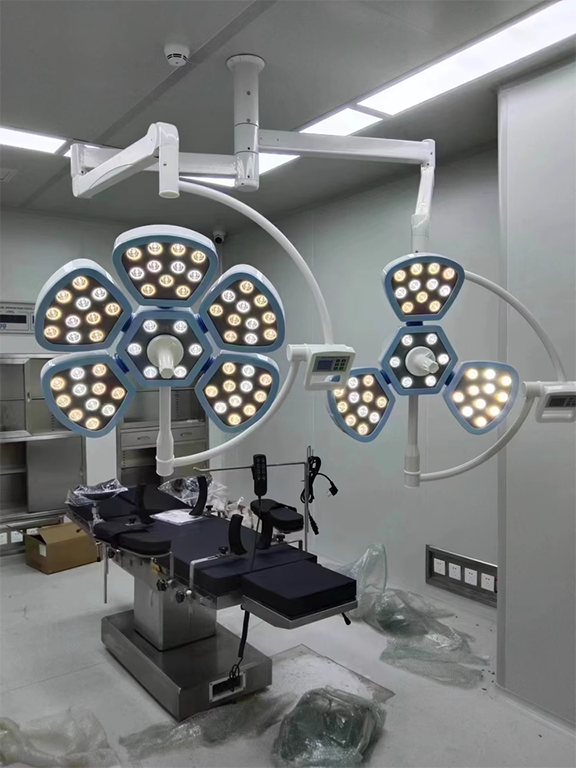
To answer the question “What is durable medical equipment?”, it is important to understand the official characteristics commonly associated with DME.
Durable medical equipment refers to medical devices that:
- Can withstand repeated use
- Serve a medical purpose
- Are appropriate for home or clinical use
- Have an expected lifespan of several years
- Assist individuals with illness, injury, or disability
Unlike consumable medical products such as gloves, bandages, or syringes, durable medical equipment is intended for ongoing use.
Key Characteristics of Durable Medical Equipment
| Characteristic | Beschreibung |
|---|---|
| Reusable | Designed for repeated use |
| Durable | Built to last several years |
| Medical Purpose | Supports treatment or recovery |
| User-Oriented | Assists patients or caregivers |
| Langfristiger Wert | Reduces replacement frequency |
When discussing what is durable medical equipment, these core characteristics serve as the foundation for classification.
Why Durable Medical Equipment Is Important
Durable medical equipment contributes significantly to healthcare delivery by helping patients maintain independence and improve quality of life.
Benefits for Patients
- Increased mobility
- Enhanced safety
- Faster recovery
- Greater independence
- Improved comfort
Benefits for Healthcare Facilities
- Better patient outcomes
- Reduced hospitalization rates
- Improved operational efficiency
- Long-term cost savings
Impact on Healthcare
| Benefit Area | Auswirkungen |
| Mobilität | Supports daily movement |
| Recovery | Accelerates rehabilitation |
| Safety | Reduces fall risk |
| Comfort | Improves patient experience |
| Cost Efficiency | Lowers long-term healthcare costs |
The importance of understanding what is durable medical equipment continues to grow as healthcare systems increasingly focus on home-based care and rehabilitation.
Common Types of Durable Medical Equipment
There are many categories of durable medical equipment used in hospitals, clinics, rehabilitation centers, and homes.
Mobility Equipment
Mobility aids are among the most commonly used DME products.
Examples
- Wheelchairs
- Walkers
- Rollators
- Mobility scooters
- Crutches
Mobility Equipment Comparison
| Equipment | Primary Use |
| Wheelchair | Full mobility assistance |
| Walker | Walking support |
| Rollator | Enhanced mobility with wheels |
| Scooter | Long-distance mobility |
| Crutches | Temporary mobility support |
These products are often the first examples provided when explaining what is durable medical equipment.
Krankenhausbetten
Hospital beds are essential for patient care in both clinical and home settings.
Funktionen
- Adjustable height
- Einstellung der Rückenlehne
- Leg elevation
- Side rails
- Electronic controls
Types of Hospital Beds
| Type | Application |
| Manual Bed | Basic patient care |
| Semi-Electric Bed | Partial electronic adjustment |
| Electric Bed | Full positioning control |
| Bariatric Bed | High-capacity patients |
Hospital beds represent a major category when discussing what is durable medical equipment.
Patient Lifts
Patient lifts help caregivers safely transfer individuals with limited mobility.
Common Types
- Hydraulic lifts
- Electric lifts
- Ceiling-mounted lifts
- Sit-to-stand lifts
Vorteile
| Vorteil | Beschreibung |
| Safety | Reduces injury risk |
| Efficiency | Easier patient transfers |
| Comfort | Improved patient experience |
Respiratory Equipment
Respiratory devices support patients with breathing difficulties.
Examples
- Oxygen concentrators
- CPAP machines
- BiPAP machines
- Nebulizers
Respiratory Equipment Overview
| Equipment | Zweck |
| Oxygen Concentrator | Supplemental oxygen |
| CPAP | Sleep apnea treatment |
| BiPAP | Advanced respiratory support |
| Nebulizer | Medication delivery |
Respiratory products are frequently included when answering what is durable medical equipment.
Rehabilitation Equipment
Rehabilitation devices assist patients recovering from surgery, injury, or illness.
Examples
- Physical therapy equipment
- Exercise rehabilitation systems
- Therapy tables
- Balance training devices
These products help restore function and mobility during recovery.
Durable Medical Equipment in Hospitals
Hospitals rely heavily on durable medical equipment to provide quality patient care.
Common Hospital DME Categories
| Kategorie | Examples |
| Patient Positioning | Krankenhausbetten |
| Mobilität | Wheelchairs |
| Monitoring Support | Specialized stands |
| Rehabilitation | Therapy equipment |
| Respiratory Care | Oxygen systems |
Understanding what is durable medical equipment is essential for healthcare administrators managing equipment procurement and facility operations.
Durable Medical Equipment in Home Healthcare
Home healthcare continues to expand globally as patients seek treatment and recovery outside traditional hospital settings.
Common Home Care Equipment
- Elektrische Krankenhausbetten
- Mobility scooters
- Oxygen concentrators
- Patient lifts
- Shower chairs
Home Care Benefits
| Vorteil | Outcome |
| Independence | Improved quality of life |
| Convenience | Care at home |
| Reduced Costs | Fewer hospital visits |
| Comfort | Familiar environment |
The growing home healthcare market has increased demand for durable medical equipment worldwide.
How to Choose Durable Medical Equipment
Selecting the right equipment requires evaluating several factors.
Patient Needs
The equipment should match the patient’s physical condition and mobility level.
Product Quality
Look for:
- Certified manufacturers
- Reliable materials
- Proven safety features
Ease of Use
Both patients and caregivers should be able to operate the equipment safely.
Maintenance Requirements
Consider maintenance schedules and replacement part availability.
Selection Criteria Table
| Faktor | Bedeutung |
| Safety | Sehr hoch |
| Durability | Sehr hoch |
| Comfort | Hoch |
| Ease of Use | Hoch |
| Cost | Mittel |
| Garantie | Hoch |
When evaluating what is durable medical equipment, quality and reliability should remain top priorities.
Benefits of Durable Medical Equipment for Healthcare Providers
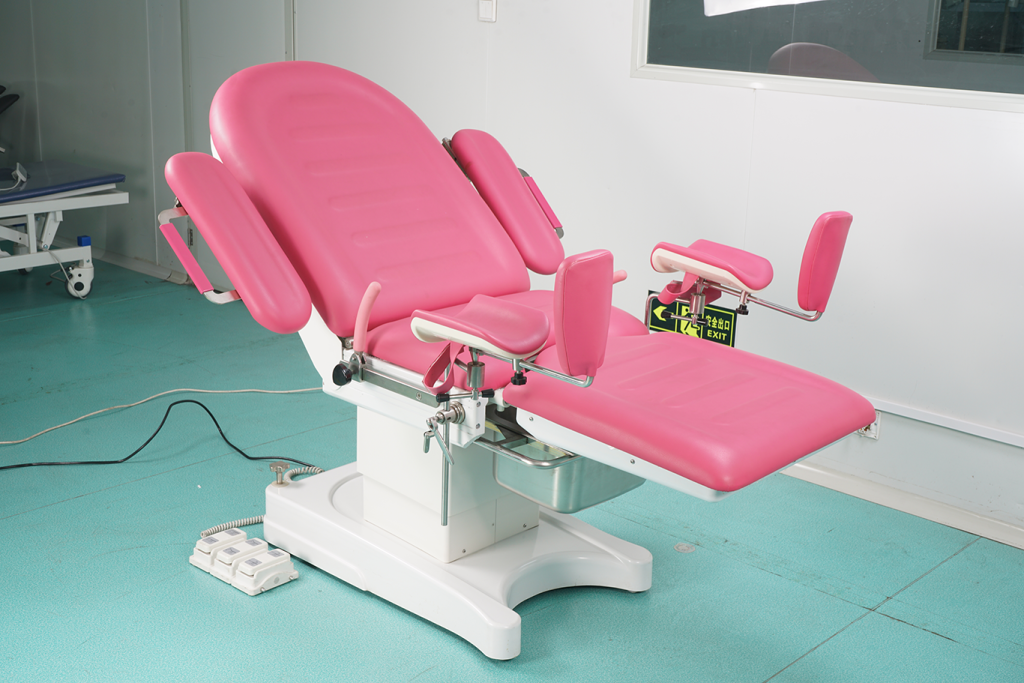
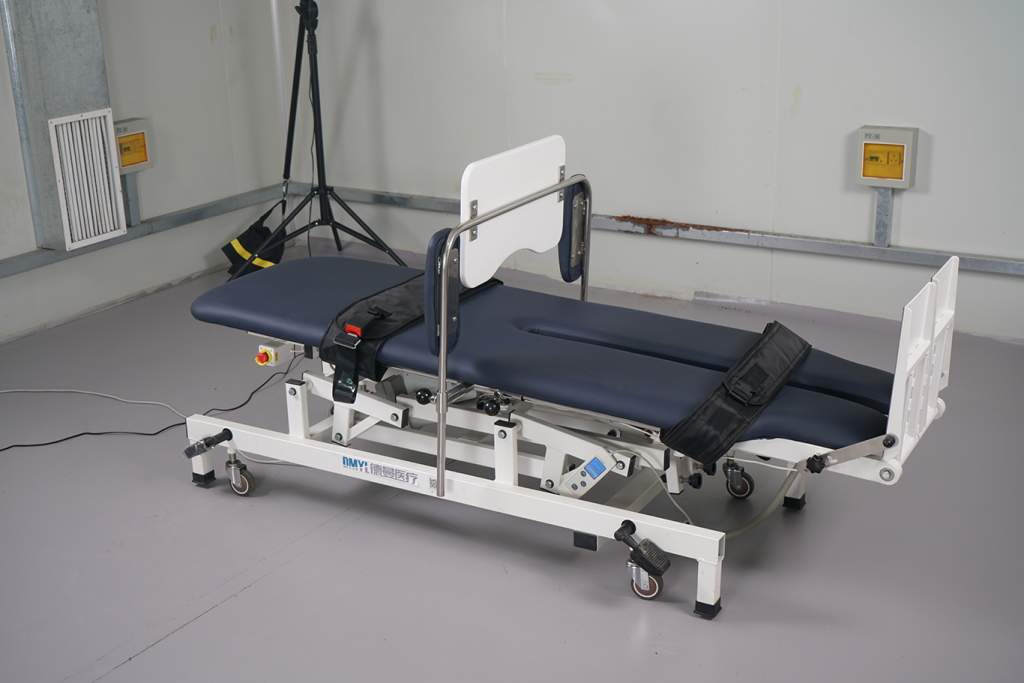
Healthcare facilities also benefit significantly from DME investments.
Betriebliche Vorteile
- Improved patient care
- Reduced caregiver strain
- Increased efficiency
- Better rehabilitation outcomes
Finanzielle Vorteile
| Advantage | Auswirkungen |
| Long Service Life | Geringere Ersatzkosten |
| Reliability | Weniger Ausfallzeiten |
| Efficiency | Verbesserter Arbeitsablauf |
| Patient Satisfaction | Better care outcomes |
These benefits reinforce the importance of understanding what is durable medical equipment in modern healthcare environments.
Maintenance and Lifespan of Durable Medical Equipment
Proper maintenance extends equipment lifespan and ensures patient safety.
Bewährte Verfahren für die Wartung
- Regular inspections
- Cleaning and disinfection
- Preventive servicing
- Staff training
Typical Lifespans
| Equipment | Durchschnittliche Lebensdauer |
| Krankenhausbett | 10–15 Years |
| Wheelchair | 5–10 Years |
| Oxygen Concentrator | 5–7 Years |
| Patient Lift | 8–12 Years |
| Mobility Scooter | 4–8 Years |
Regular maintenance helps maximize the value of durable medical equipment investments.
Künftige Trends bei medizinischer Gebrauchsausrüstung
Technological advancements continue to transform the DME industry.
Smart Medical Equipment
Connected devices enable:
- Remote monitoring
- Vorausschauende Instandhaltung
- Real-time performance tracking
AI Integration
Artificial intelligence can help optimize patient care and equipment management.
Improved Ergonomics
Manufacturers are developing more user-friendly designs for patients and caregivers.
Sustainability Initiatives
Environmentally friendly materials and energy-efficient systems are becoming increasingly common.
Future Technology Trends
| Trend | Vorteil |
| Smart Connectivity | Remote monitoring |
| AI Analytics | Better patient outcomes |
| Automation | Reduced caregiver workload |
| Sustainable Design | Environmental responsibility |
These innovations will shape the future of durable medical equipment across healthcare settings.
Schlussfolgerung
For anyone asking “What is durable medical equipment?”, the answer extends far beyond simple medical devices. Durable medical equipment encompasses a wide range of reusable products designed to support patient care, mobility, rehabilitation, and long-term health management.
From hospital beds and wheelchairs to oxygen concentrators and patient lifts, durable medical equipment plays a crucial role in both clinical and home healthcare environments. Its ability to improve patient outcomes, increase independence, and reduce healthcare costs makes it an essential component of modern medical care.
As technology continues to evolve, durable medical equipment will become smarter, more efficient, and increasingly integrated into healthcare delivery systems worldwide.
FAQ
What is langlebige medizinische Geräte?
Durable medical equipment refers to reusable medical devices designed for long-term use to support patients with medical conditions, disabilities, or recovery needs.
What are examples of durable medical equipment?
Examples include hospital beds, wheelchairs, walkers, oxygen concentrators, patient lifts, and mobility scooters.
Wie lange halten langlebige medizinische Geräte normalerweise?
Most durable medical equipment lasts several years, depending on the product type and maintenance practices.
Why is langlebige medizinische Geräte important?
It improves patient mobility, safety, independence, and overall quality of life while supporting healthcare delivery.
Is durable medical equipment used at home?
Yes. Many products are specifically designed for home healthcare and rehabilitation purposes.